




Ask the AI Tutor
Need help with Exercise - Age 7-11? Ask our AI Tutor!
AI Tutor - Lucy
Connecting with Tutor...
Please wait while we establish connection
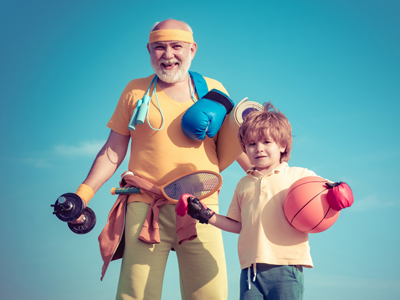
Some forms of exercise require special equiupment.
Exercise - Age 7-11
Exercise keeps your body strong and your mind happy. Discover fun ways to move, why it matters, and how to exercise safely at school and home.
1 .
What happens to your muscles when you exercise?
They get smaller
They get stronger
They get weaker
They stay the same
When you exercise you use your muscles and they get bigger and stronger the more you use them
2 .
What happens to your body temperature when you exercise?
It increases
It freezes
It decreases
It stays the same
Your body temperature increases when you exercise and this will make you feel warmer. You will also notice that you start to sweat - this is the body's way of cooling you down so you don’t get too hot
3 .
Which team could you join to increase your exercise?
Bird watching group
Choir
Debate team
Netball
If you want to exercise with other people, it can be good fun to join a team such as netball, football or hockey
4 .
What happens to your heart when you exercise?
It beats slower and softer
It stays the same
It beats harder and faster
It changes colour
When you exercise you can feel your heart beating harder and faster. This is because it needs to pump more oxygen-rich blood around the body and to the muscles
5 .
What type of exercise helps make bones stronger?
Press-ups
Running
Sit-ups
Climbing trees
Running is good for improving the strength of your bones. Climbing, sit-ups and press-ups are good choices for improving the strength of your muscles
6 .
How does exercise help the brain?
It improves your memory
It teaches you to read
It removes germs
It makes you count quicker
Exercise increases the bloodflow to the brain which helps people to concentrate better and improves their memory
7 .
If you wanted to exercise alone, which activity could you do?
Hockey
Tennis
Badminton
Swimming
We can exercise on our own doing activities like swimming, walking and running, where a partner or team is not required
8 .
What happens to your breathing when you exercise?
You do not breathe
You breathe the same
You breathe faster
You breathe slower
When you exercise you will breathe faster so that you can get more oxygen into the body. With regular exercise you will start to increase your lung capacity which also has health benefits
9 .
What should you do after you exercise?
Have a nap
Have a drink of water
Eat some sweets
Tell someone
When you exercise, your body starts to sweat and you should replace this by drinking some water to help stay healthy
10 .
How often should you exercise?
Once a day
Once a week
Once a month
Once a year
It is important that children aged 5-17 do some form of exercise every day. It is recommended that this lasts for 60 minutes and can be a sport class, a swimming lesson or even running round with friends







© Copyright 2016-2026 - Education Quizzes
Work Innovate Ltd - Design | Development |
Marketing
