




Ask the AI Tutor
Need help with Food Groups - Age 7-11? Ask our AI Tutor!
AI Tutor - Lucy
Connecting with Tutor...
Please wait while we establish connection
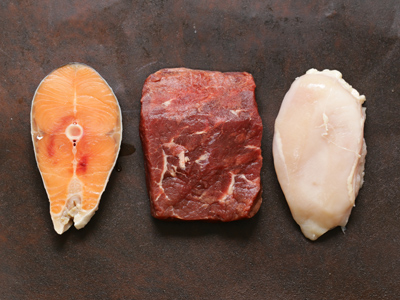
Meat and fish are good sources of protein.
Food Groups - Age 7-11
Food gives you energy to learn, play and grow. This quiz helps you spot food groups, build balanced meals, and understand why some foods are ‘sometimes’ foods.
1 .
Why is protein important for our body?
It gives us energy
It makes us healthy
It repairs our muscles
It makes our bones strong
Proteins help the body to grow and repair muscle helping to make us stronger
2 .
Is it okay to eat foods that are high in sugar, like sweets?
Yes but only occasionally
Yes if you eat an apple afterwards
Yes every day because they taste nice
No never. They are very bad for you
It is okay to eat foods that are high in sugar as a treat occasionally, however the body does not need refined sugar and therefore it does not belong to one of the important food groups
3 .
Why is it important to include fat in our diet?
It helps the body absorb vitamins
It helps the brain function
It makes our bones grow stronger
It helps us sleep
Fat is important as it helps the body absorb vitamin A, D and E. However, we only need a small amount for this to work
4 .
Which of these meals includes all 5 food groups?
Salmon, salad and a glass of water
Hotdogs, chips and spaghetti hoops with a glass of milk
Chicken, peas, jacket potato with butter and a glass of milk
Fish, chips and mushy peas with a can of pop
Chicken is a protein, peas are a vegetable, jacket potato is a carbohydrate, butter is a fat and a glass of milk is diary. Although not every meal needs to include all 5 it is good to be able to recognise them
5 .
How can we make carbohydrates even healthier?
Eat them cooked
Choose the white options
Eat them raw
Choose the wholegrain options
Opting for the wholegrain breads and pastas is healthier because they have been made using the whole of the grain, meaning they contain more fibre and vitamins
6 .
Why is it important to eat carbohydrates?
They make us strong
They taste nice
They make us clever
They give us energy
Carbohydrates give us energy and they should make up a third of the food we eat. Carbohydrates come from foods such as bread, rice and pasta
7 .
How often should we eat fish?
Every day for breakfast
At least twice a week
Never
Only on a Friday
We should aim to eat fish at least twice a week. It is even healthier if the fish we choose is oily fish such as salmon
8 .
Which foods belong to the protein food group?
Crisps and chocolates
Meat and fish
Cheese and yoghurts
Apples and bananas
Meat and fish are good sources of protein, with beans, peas and pulses being a good alternative
9 .
Why is it important to include dairy in our diet?
It gives us energy
It helps us to breathe
It helps make our bones strong
It helps make our hair grow
Dairy is a good source of calcium that helps keep our bones strong. Dairy can be found in milk, cheese and yoghurts
10 .
How can we make eating fats healthier?
Choose our favourite fats
Choose to avoid all fats
Choose saturated fats
Choose non-saturated fats
Non-saturated fats are a heathier option as they can help to lower cholesterol and help prevent heart problems, so wherever possible try and swap saturated for non-saturated fats







© Copyright 2016-2026 - Education Quizzes
Work Innovate Ltd - Design | Development |
Marketing
