




Ask the AI Tutor
Need help with Healthy Food and Exercise - Age 7-11? Ask our AI Tutor!
AI Tutor - Lucy
Connecting with Tutor...
Please wait while we establish connection
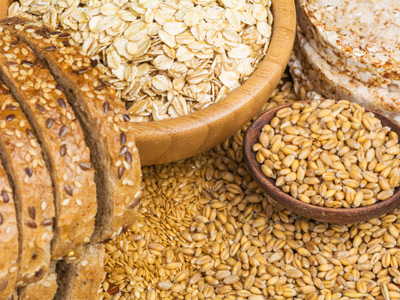
Bread and cereals provide us with energy.
Healthy Food and Exercise - Age 7-11
Healthy food and exercise help your body and brain. Try this quiz to learn about balanced meals, active habits, and simple choices that keep you feeling great.
1 .
Which food group does cheese belong to?
Milk and dairy
Cereals and bread
Fruit and vegetables
Meat, fish and beans
Cheese is made from milk
2 .
Which food groups give us energy?
Meat, fish and beans
Cereals and bread
Fruit and vegetables
Milk and dairy
Bread is a very versatile food
3 .
What type of exercise strengthens our heart?
Relaxing
Weight bearing
Aerobic
Resistance
Swimming and walking are examples of aerobic exercises
4 .
Which food group does rice belong to?
Milk and dairy
Fruit and vegetables
Fats
Cereals and bread
There are different flavours of rice
5 .
Which of these is NOT a benefit of regular exercise?
Stops us getting spots
Prevents heart attack
Makes our muscles strong
Keeps us slim
Make sure you get some exercise today!
6 .
How many main food groups are there?
10
5
4
2
These are dairy; cereal and bread; fats; meat, fish and beans; fruit and vegetables
7 .
Which food group should we not eat much of?
Milk and dairy
Cereals and bread
Fats
Fruit and vegetables
Snack and junk foods are full of fat
8 .
What do we gain from meat, fish and beans?
Vitamins
Fibre
Calcium
Protein
Protein is used to build and repair tissue
9 .
What do we gain from eating fruit and vegetables?
Vitamins and fibre
Fibre
Vitamins and protein
Fibre and protein
Which is your favourite fruit?
10 .
Which food group gives us lots of calcium and other minerals?
Fruit and vegetables
Milk and dairy
Cereals and bread
Meat, fish and beans
Calcium is good for our bones







© Copyright 2016-2026 - Education Quizzes
Work Innovate Ltd - Design | Development |
Marketing
