




Ask the AI Tutor
Need help with Healthy Snacks - Age 7-11? Ask our AI Tutor!
AI Tutor - Lucy
Connecting with Tutor...
Please wait while we establish connection
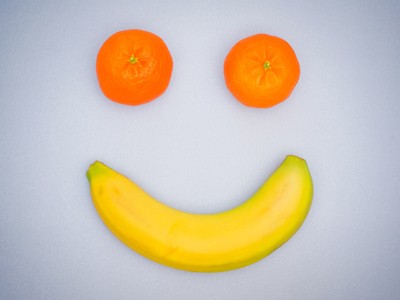
Fruit is a healthy snack which will make your body happy.
Healthy Snacks - Age 7-11
Snacks can be healthy and tasty. This quiz helps you spot smart snack choices, understand energy, and learn what to pick when you feel peckish.
1 .
Which of the following healthy snacks is not high in protein?
Sliced lean meat
An apple
Boiled eggs
Baked beans
An apple is not high in protein but is still a good healthy snack. Protein helps repair muscle after exercise and is a good snack to have
2 .
What is the benefit of choosing healthy snacks from the dairy food group?
They help bone development
They help kidney development
They help lung development
They help brain development
Choosing healthy dairy snacks, such as low fat yoghurts, provides additional calcium that helps bone development
3 .
When is it okay to eat healthy snacks?
Before the evening meal
Never
In the middle of the night
Between meals when hungry
It is okay to have a healthy snack between meals as long as it is not too close to the next meal. If so, it might stop you from eating your meal if you are full
4 .
What is one difference between a healthy snack and a sweet treat?
A healthy snack should be hot and a sweet treat should be cold
A sweet treat should be eaten occasionally but a healthy snack can be eaten daily
A healthy snack should be eaten occasionally but a sweet treat can be eaten daily
Nothing, they are the same
A sweet treat is more likely to be high in sugar and therefore should be eaten occasionally, whereas a healthy snack can be eaten daily as part of a balanced diet
5 .
Why do snacks that are high in sugar not count as healthy snacks?
They can rot our teeth
They are too filling
They taste bad
Sugar damages bones
You should try and avoid eating too many sugary snacks as sugar is not needed by the body and it can rot your teeth. Instead you should choose snacks that are low in artificial sugar
6 .
What is a benefit of eating healthy snacks?
They keep us quiet
They make bones even stronger
They give the body extra energy
They help replace oxygen after exercise
Healthy snacks can give you energy if you are feeling tired. They also replace the vitamins that you need to stay healthy
7 .
A healthy snack should be...
one item of food
big and heavy
small and light
the same size as a meal
A snack should be small and light, just enough to give you some energy and keep you going till your next meal
8 .
Which of the following is not a healthy snack?
Yoghurt
Sweets
Carrot sticks
Banana
Sweets are not a healthy snack as they are high in sugar and can rot your teeth. They are also not very filling and you may still feel hungry afterwards
9 .
What can happen if you don’t snack?
You can put weight on
You can find it hard to breathe
You can get bored
You can feel low in energy
If you do not snack when you feel hungry then your blood sugar levels can decrease. This can make you feel like you have little or no energy
10 .
How many snacks should you eat a day?
Up to 2
3-5
6-8
As many as you want
You do not have to eat snacks every day but it is okay to eat between 1 and 2, usually between breakfast and lunch and then between lunch and evening meal. You should avoid eating snacks too early in the morning or too close to bed time







© Copyright 2016-2026 - Education Quizzes
Work Innovate Ltd - Design | Development |
Marketing
