




Ask the AI Tutor
Need help with Water - Age 7-11? Ask our AI Tutor!
AI Tutor - Lucy
Connecting with Tutor...
Please wait while we establish connection
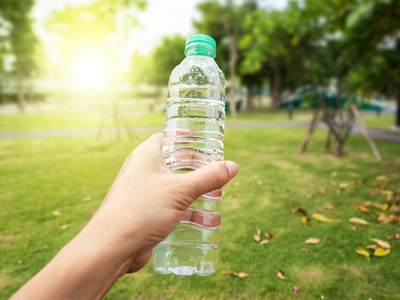
You should only drink tap or bottled water.
Water - Age 7-11
Water keeps your body working properly every day. This quiz helps you learn when to drink, what dehydration feels like, and how to choose healthier drinks.
1 .
Which of the following does NOT require water?
Removal of waste products
Cleaning of the blood
The ability to hear
Regulation of body temperature
Water contributes to most bodily functions including the regulation of temperature, cleaning the blood as it passes through the kidneys and digesting food and the removal of waste from the body
2 .
If you do not like the taste of water how can you change it but still keep it healthy?
Mix it with sugar-free cordial
Mix it with milk
Mix it with coffee
Mix it with fizzy pop
If you do not like the taste of water you can mix it with some sugar-free cordial. This will change the taste but still help you get your recommended amount of water
3 .
Which of these is NOT a way we lose water from the body?
Breathing
Scratching
Sweating
Going to the toilet
Our bodies lose water on a regular basis in a number of ways including going to the toilet, sweating and even breathing. This is why it is important to replace the water daily
4 .
What happens if you do not drink enough water?
Your fingers and toes might hurt
You might feel tired and get a headache
You might get earache
You might feel full of energy
When your body does not have enough water, it can start to feel tired and you might even get a headache. This is your body's way of asking for a drink and telling you that it is feeling dehydrated
5 .
What percentage of our body is made up of water?
10-15%
30-45%
55-70%
80-85%
On average our bodies are made up of between 55 and 70% of water, with children averaging at 65%
6 .
How does water help our bones?
It helps with the joint movement
It keeps them clean
It helps them stay hard
It keeps them straight
Water is found around the joints of our bones mixed with cartilage to stop our bones rubbing together
7 .
When should you drink extra water?
Before you go to bed
When you wake up in the middle of the night
After you have done a maths test
After you have done some exercise
When you exercise, your body sweats and this removes some of the water you need. It is important that you drink some extra water afterwards to replace what has been lost
8 .
How much of our brain is water?
15%
45%
65%
85%
Our brains are made up of at least 85% water
9 .
How often should you drink water?
Every day
Once a year
Once a month
Once a week
It is important that you drink water every single day to help it do all the jobs it needs to in order to keep you healthy and hydrated
10 .
How much water should we drink every day?
1-2 glasses
6-8 glasses
1-2 glasses
10-12 glasses
You should be drinking between 6 and 8 glasses of water every day with between 125-150ml of water in each glass for smaller children and 250ml–300ml for older children and adults







© Copyright 2016-2026 - Education Quizzes
Work Innovate Ltd - Design | Development |
Marketing
