




Ask the AI Tutor
Need help with Author - Charles Dickens 2? Ask our AI Tutor!
AI Tutor - Lucy
Connecting with Tutor...
Please wait while we establish connection
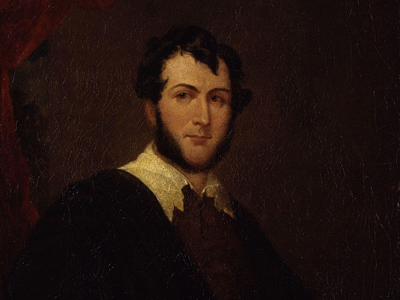
Some of Dickens' works were illustrated by his friend, George Cruikshank.
Author - Charles Dickens 2
Meet Charles Dickens again, this time through his unforgettable characters, from misers and orphans to stern guardians who reveal the morals at the heart of each story.
1 .
For what was Charles Dickens' father imprisoned in 1824?
Assault
Debt
Drunkenness
Theft
Getting into debt carried quite a stigma in 19th century Britain, as imprisonment was common
2 .
In which Dickens novel did the character Mr Micawber appear?
David Copperfield
Great Expectations
Oliver Twist
The Old Curiosity Shop
The character, known for his phrase "something will turn up", has become synonymous with a person who lives in hopeful expectation
3 .
In 1832 what did Charles Dickens nearly become?
Professional actor
Professional magician
Professional painter
Professional sculptor
Dickens had an audition at Covent Garden but he missed it because of a cold
4 .
Which Dickens novel features scenes from The French Revolution?
A Tale Of Two Cities
Barnaby Rudge
Nicholas Nickleby
The Pickwick Papers
The two cities in the title are London and Paris
5 .
Which was not a Dickens character - Bill Sikes, Mr Pecksniff, Sam Weller, Tom Sawyer?
Bill Sikes
Mr Pecksniff
Sam Weller
Tom Sawyer
Tom Sawyer was created by Mark Twain
6 .
What nom de plume did Charles Dickens use?
Baz
Bez
Boz
Buz
Boz was Dickens' family nickname
7 .
What was the first name of Charles Dickens' wife?
Carol
Catherine
Cheryl
Christine
Charles and Catherine had 10 children together
8 .
In which Dickens novel was the death of Little Nell featured?
David Copperfield
Great Expectations
Oliver Twist
The Old Curiosity Shop
The story is the tragic tale of Nell Trent and her grandfather, and their journey away from misery
9 .
Where in England was the author Charles Dickens born?
Birmingham
Liverpool
Newcastle
Portsmouth
Though Dickens was born in Portsmouth, the family moved to London when he was 3 years old
10 .
Which of Charles Dickens' works remained unfinished at the time of his death?
A Tale Of Two Cities
The Mystery Of Edwin Drood
Great Expectations
Our Mutual Friend
As the book was not finished Drood's killer is not revealed. His uncle, John Jasper, is the most likely murderer but no-one can be certain
Our Social Circles




**Unlimited Quizzes Await You! 🚀**
Hey there, quiz champ! 🌟 You've already tackled today's free questions.
Ready for more?
Ready for more?
🔓 Unlock UNLIMITED Quizzes and challenge yourself every day. But that's
not all...
not all...
🔥 As a Subscriber you can join our thrilling "Daily Streak" against other
quizzers. Try to win a coveted spot on our Hall of Fame Page.
quizzers. Try to win a coveted spot on our Hall of Fame Page.
Don't miss out! Join us now and keep the fun rolling. 🎉
**Unlimited Quizzes Await You! 🚀**
Hey there, quiz champ! 🌟 You've already tackled today's free questions. Ready for more?
🔓 Unlock UNLIMITED Quizzes and challenge yourself every day. But that's not all...
🔥 As a Subscriber you can join our thrilling "Daily Streak" against other quizzers. Try to win a coveted spot on our Hall of Fame Page.
Don't miss out! Join us now and keep the fun rolling. 🎉
© Copyright 2016-2026 - Education Quizzes
Work Innovate Ltd - Design | Development |
Marketing
