




Ask the AI Tutor
Need help with British Birds - Garden Birds 02 - Fairly Common? Ask our AI Tutor!
AI Tutor - Lucy
Connecting with Tutor...
Please wait while we establish connection
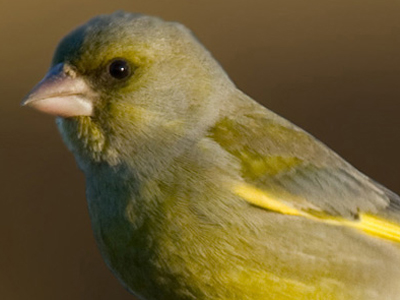
The vivid green and yellow plumage on adult birds tends to fade in winter. Can you identify it?
British Birds - Garden Birds 02 - Fairly Common
Build your bird-spotting skills with fairly common UK garden visitors. Use shape, movement and habitat clues to identify similar-looking species with confidence.
To see a larger image, click on the picture.
1 .
What is the name of this bird?
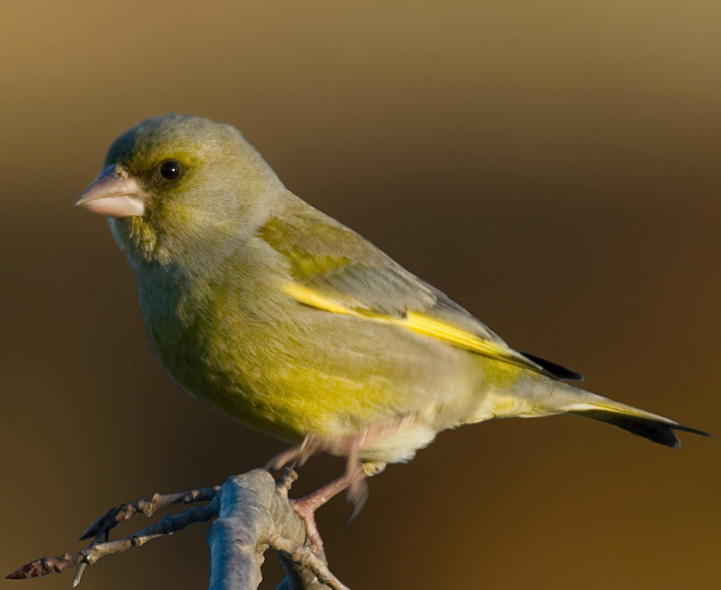
Photograph courtesy of http://www.photo-natur.de/
Lesser Redpoll
Chaffinch
Eurasian Linnet
European Greenfinch
- Group: Finches
- Binomial: Carduelis chloris
- Order: Passeriformes
- Family: Fringillidae
- Status: Resident Breeding Species
- The vivid green and yellow plumage on adult birds tends to fade in winter
- Young birds are rather dull looking and can easily be mistaken for Sparrows
- Loves to pick the peanuts and sunflower seeds from birdtables
2 .
What is the name of this bird?
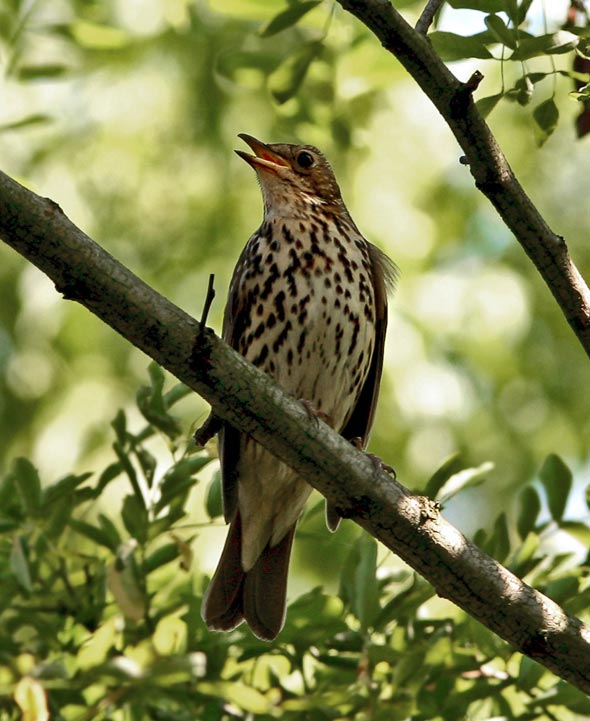
Photograph courtesy of Taco Meeuwsen
Blackbird
Northern Wheatear
European Stonechat
Song Thrush
- Group: Thrushes
- Binomial: Turdus philomelos
- Order: Passeriformes
- Family: Turdidae
- Status: Resident Breeding Species
- Easily confused with young and female Blackbirds
- Does not stand as upright at Blackbirds and Mistle Thrushes
- Has warm brown upper parts and paler underparts with small dark spots
3 .
What is the name of this bird?
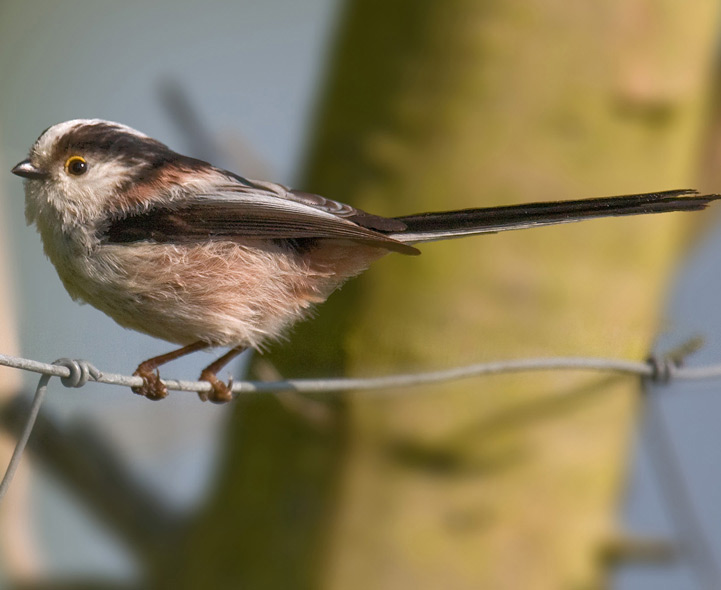
Photograph courtesy of http://www.photo-natur.de/
Long-tailed Tit
Coal Tit
Great Spotted Woodpecker
Green Woodpecker
- Group: Long-tailed Tits
- Binomial: Aegithalos caudatus
- Order: Passeriformes
- Family: Aegithalidae
- Status: Resident Breeding Species
- Adult birds are predominatly pinkish-white
- The longest tail of any British bird in relation to its body
- Scientifically this is NOT in the same family as the Blue Tit and the Great Tit
4 .
What is the name of this bird?
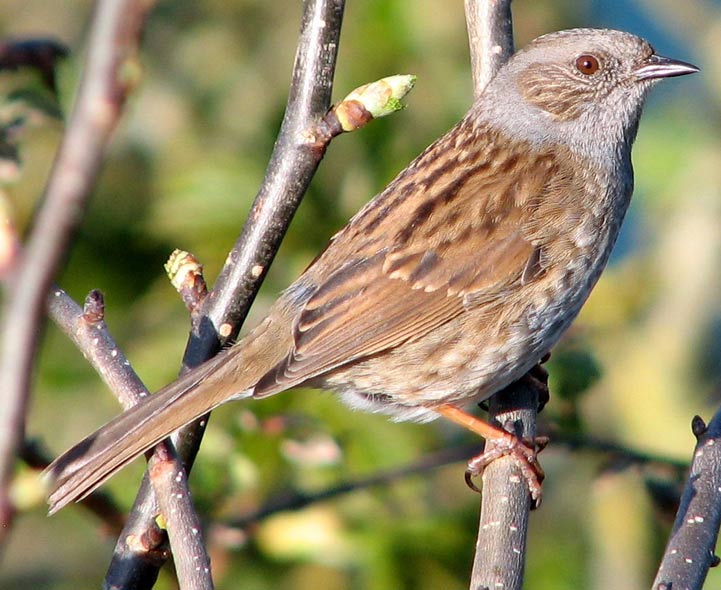
Photograph courtesy of Smalljim
Dunnock
Snow Bunting
Lapland Bunting
Common Starling
- Group: Accentors
- Binomial: Prunella modularis
- Order: Passeriformes
- Family: Prunellidae
- Status: Resident Breeding Species
- Also known as Hedge Sparrow
- Intricate light and dark brown markings
- Adults have some grey on their heads but this is absent in young birds
- Its movements are altogether more agitated than house sparrows
5 .
What is the name of this bird?
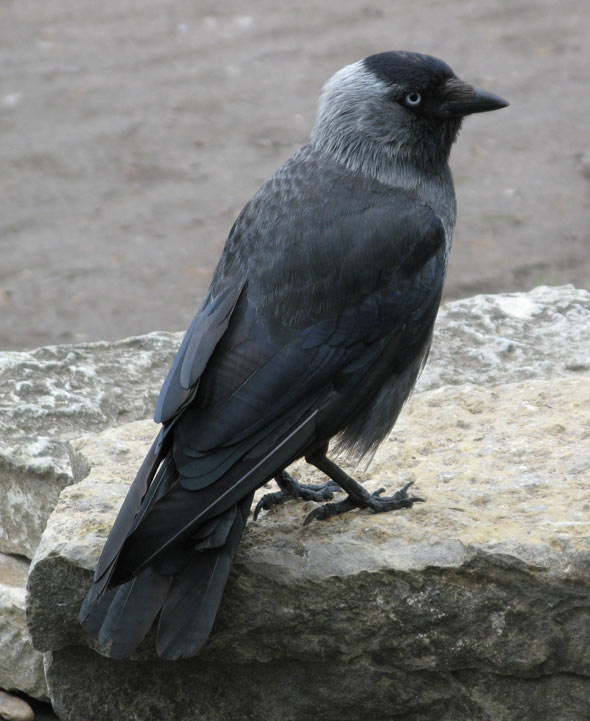
Photograph courtesy of M Prinke
Yellow-billed Cuckoo
Carrion Crow
Jackdaw
European Magpie
- Group: Crows and allies
- Binomial: Corvus monedula
- Order: Passeriformes
- Family: Corvidae
- Status: Resident Breeding Species
- The smallest member of the Crow family
- In flight it has faster wing beats than Rooks and Carrion Crows
- Loves shiny objects and is prone to stealing jewels and rings left unattended outside
6 .
What is the name of this bird?
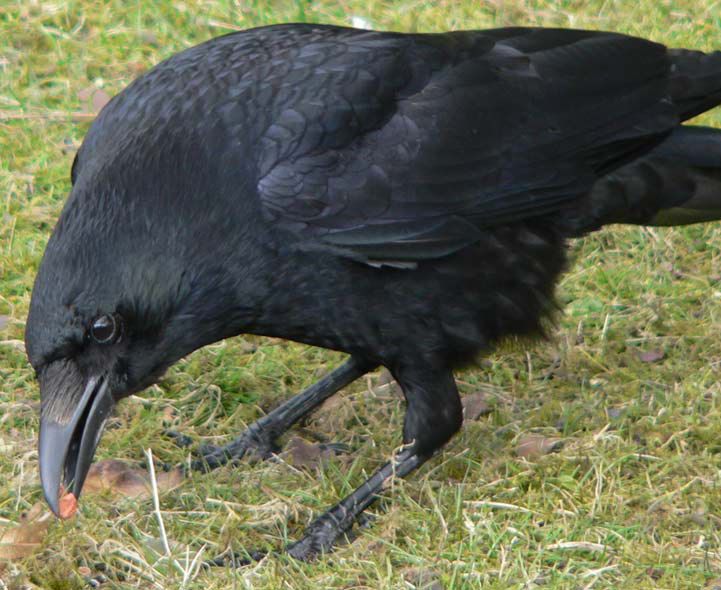
Photograph courtesy of BS Thurner Hof
European Magpie
Eurasian Jay
Carrion Crow
Common Cuckoo
- Group: Crows and allies
- Binomial: Corvus corone
- Order: Passeriformes
- Family: Corvidae
- Status: Resident Breeding Species
- Larger than a Jackdaw but smaller than a Raven
- Look for feathers around the base of its beak to distinguish it from a Rook
- Remember "If you see more than two Crows together they are Rooks"!
7 .
What is the name of this bird?
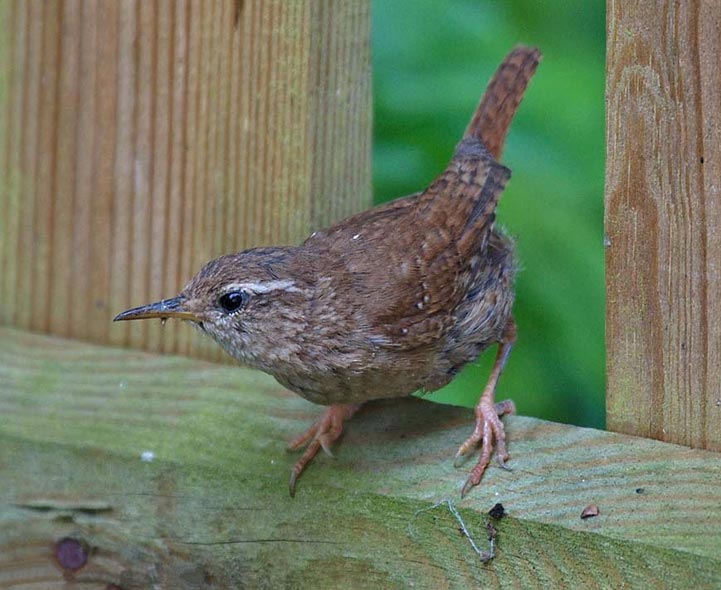
Photograph courtesy of Martien Brand
Little Egret
Wren
Common Kingfisher
Sooty Shearwater
- Group: Wren
- Binomial: Troglodytes troglodytes
- Order: Passeriformes
- Family: Troglodytidae
- Status: Resident Breeding Species
- Tiny birds that weigh about the same as a £1.00 coin
- Forever twitching and moving around
- Tail sticks out from the body at an oddly twisted angle
- Very loud voice for such a small bird
8 .
What is the name of this bird?
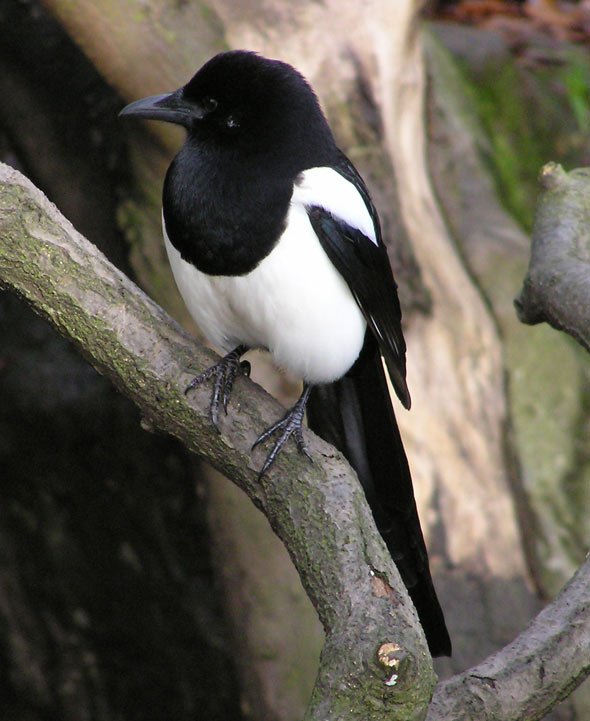
Photograph courtesy of Leemu Lehtinen
European Magpie
Common Cuckoo
Yellow-billed Cuckoo
Hooded Crow
- Group: Crows and allies
- Binomial: Pica pica
- Order: Passeriformes
- Family: Corvidae
- Status: Resident Breeding Species
- From a distance looks jet black and gleaming white but closer up the black plumage radiates many different colours
- Sometimes gather together in groups known as "Parliaments"
- Sometimes eats the eggs of other birds
9 .
What is the name of this bird?
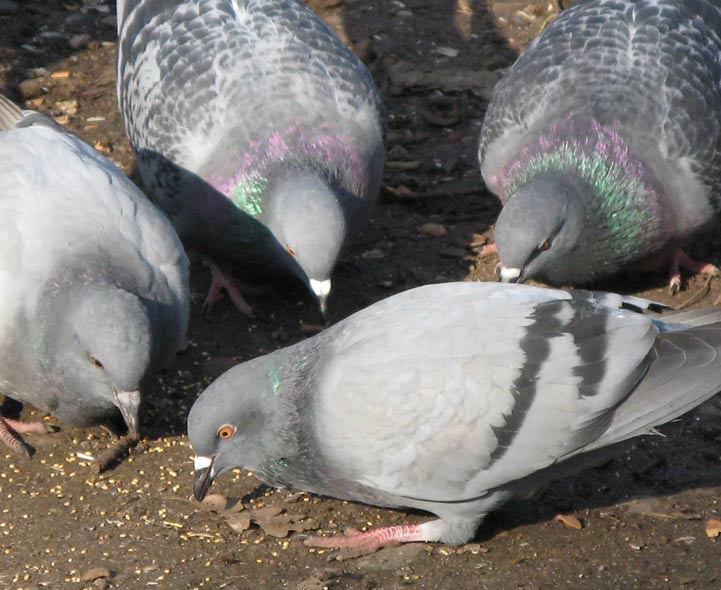
Photograph courtesy of Alexander Gamauf
Feral Pigeon
Great Bittern
Rough-legged Buzzard
Northern Gannet
- Group: Pigeons and Doves
- Binomial: Columba livia
- Order: Columbiformes
- Family: Columbidae
- Status: Resident, Most Birds Are Of Feral Origin
- A familiar site in towns and cities, pecking at scraps of food
- Descended from the Rock Dove but breeding with other types of pigeon and dove has resulted in great diversity
10 .
What is the name of this bird?
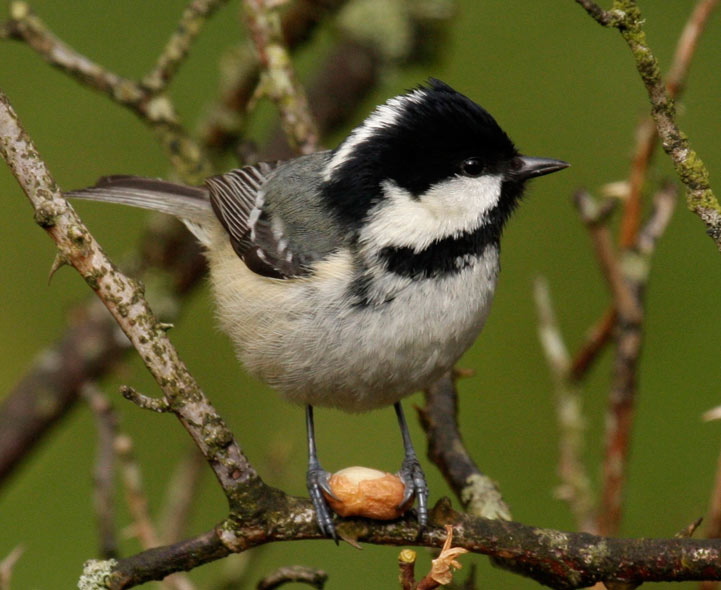
Photograph courtesy of Tom Tarrant (Aviceda)
Great Spotted Woodpecker
Lesser Spotted Woodpecker
Coal Tit
Crested Tit
- Group: Tits
- Binomial: Parus ater
- Order: Passeriformes
- Family: Paridae
- Status: Resident Breeding Species
- The smallest tit in the whole of Europe
- Behaviour is similar to that of Blue tits but there is no blue in its plumage
- The surest way to distinguish the bird from other tits is by the white patch on the back of its neck



**Unlimited Quizzes Await You! 🚀**
Hey there, quiz champ! 🌟 You've already tackled today's free questions.
Ready for more?
Ready for more?
🔓 Unlock UNLIMITED Quizzes and challenge yourself every day. But that's
not all...
not all...
🔥 As a Subscriber you can join our thrilling "Daily Streak" against other
quizzers. Try to win a coveted spot on our Hall of Fame Page.
quizzers. Try to win a coveted spot on our Hall of Fame Page.
Don't miss out! Join us now and keep the fun rolling. 🎉
**Unlimited Quizzes Await You! 🚀**
Hey there, quiz champ! 🌟 You've already tackled today's free questions. Ready for more?
🔓 Unlock UNLIMITED Quizzes and challenge yourself every day. But that's not all...
🔥 As a Subscriber you can join our thrilling "Daily Streak" against other quizzers. Try to win a coveted spot on our Hall of Fame Page.
Don't miss out! Join us now and keep the fun rolling. 🎉




© Copyright 2016-2026 - Education Quizzes
Work Innovate Ltd - Design | Development |
Marketing
