




Ask the AI Tutor
Need help with British Birds - Garden Birds 03 - Not Uncommon? Ask our AI Tutor!
AI Tutor - Lucy
Connecting with Tutor...
Please wait while we establish connection
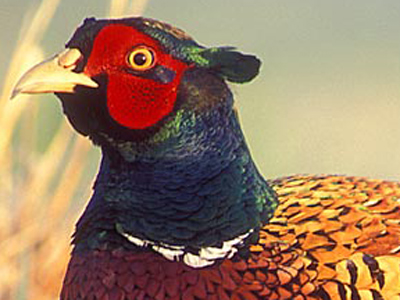
This bird was naturalized in Great Britain around the 10th century AD. Do you know what it is?
British Birds - Garden Birds 03 - Not Uncommon
Some garden birds are not uncommon, just a bit trickier to spot. Learn to use calls, feeding behaviour and seasonal changes to identify them.
To see a larger image, click on the picture.
1 .
What is the name of this bird?
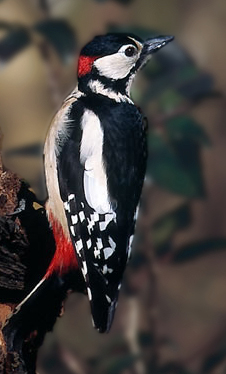
Photograph courtesy of Steffen Hannert
Coal Tit
Great Spotted Woodpecker
Crested Tit
Green Woodpecker
- Group: Woodpeckers
- Binomial: Dendrocopos major
- Order: Piciformes
- Family: Picidae
- Status: Resident Breeding Species
- It has a very distinctive bouncing flight.
- The species has recently recolonized Ireland.
- Spends most of its time clinging to tree trunks and branches.
- Distinctive spring 'drumming' display.
2 .
What is the name of this bird?
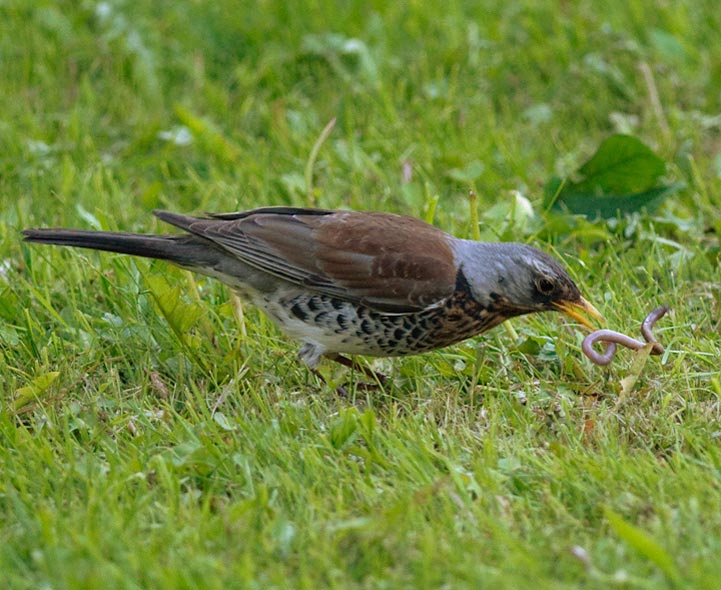
Photograph courtesy of Kosmonaut41
Fieldfare
Mistle Thrush
Common Redstart
European Robin
- Group: Thrushes
- Binomial: Turdus pilaris
- Order: Passeriformes
- Family: Turdidae
- Status: Winter Visitor
- They stand very upright and move forward with purposeful hops.
- Very social birds, spending the winter in flocks of anything from a dozen or two to several hundred strong.
- Diet is insects, worms and berries.
3 .
What is the name of this bird?
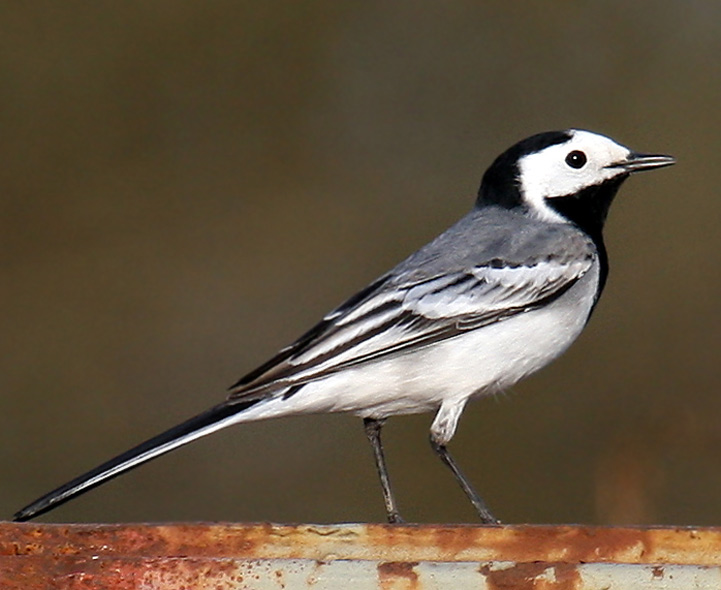
Photograph courtesy of http://photo-natur.de/
Sand Martin
Water Pipit
Pied Wagtail
Grey Wagtail
- Group: Wagtails and Pipits
- Binomial: Motacilla alba yarrelli
- Order: Passeriformes
- Family: Motacillidae
- Status: Breeding Summer Visitor
- The most distinctive feature is its wagging tail - it never stops!
- Can be seen dashing about over lawns or car parks in search of food.
- Often gathers at dusk to form large roosts in city centres.
4 .
What is the name of this bird?
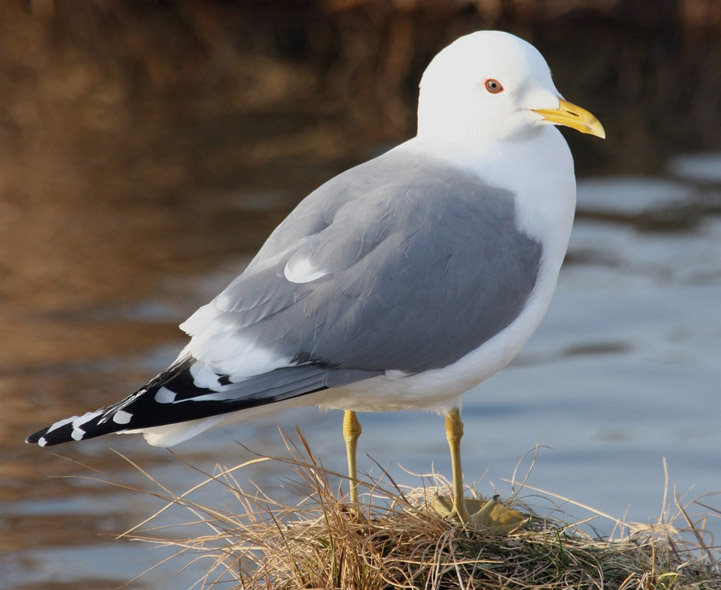
Photograph courtesy of http://www.fws.gov/
Great Cormorant
Common Gull
Little Gull
Great Black-backed Gull
- Group: Gulls
- Binomial: Larus canus
- Order: Charadriiformes
- Family: Laridae
- Status: Resident Breeding Species, Winter Visitor & Passage Migrant
- Now seen more often in towns and on housing estates in winter.
- An old historical name is sea mew.
- Global population is estimated to be about one million pairs.
5 .
What is the name of this bird?
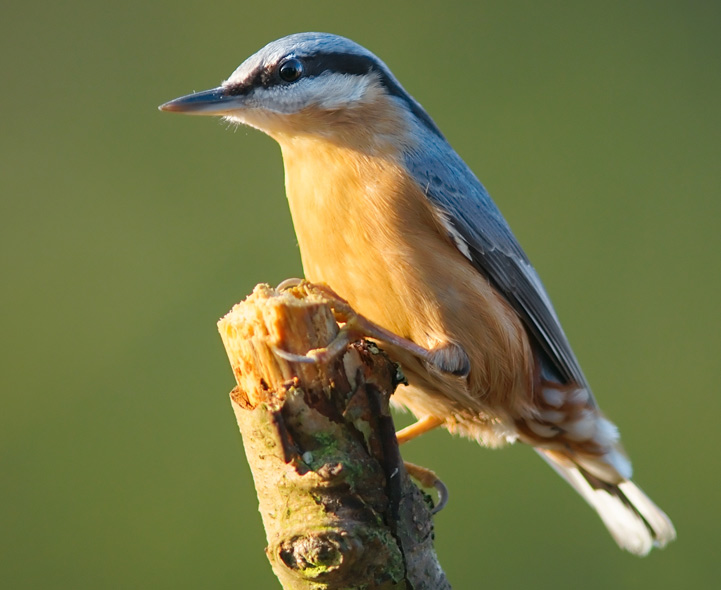
Photograph courtesy of http://www.lucnix.be/main.php
Eurasian Nuthatch
Common Spoonbill
Bohemian Waxwing
Common Treecreeper
- Group: Nuthatches
- Binomial: Sitta europaea
- Order: Passeriformes
- Family: Sittidae
- Status: Resident Breeding Species
- This bird climbs up, down and around the tree trunk and branches using its powerful toes.
- Best looked for in mature woods and established parkland.
- Occasional sightings in Scotland.
6 .
What is the name of this bird?
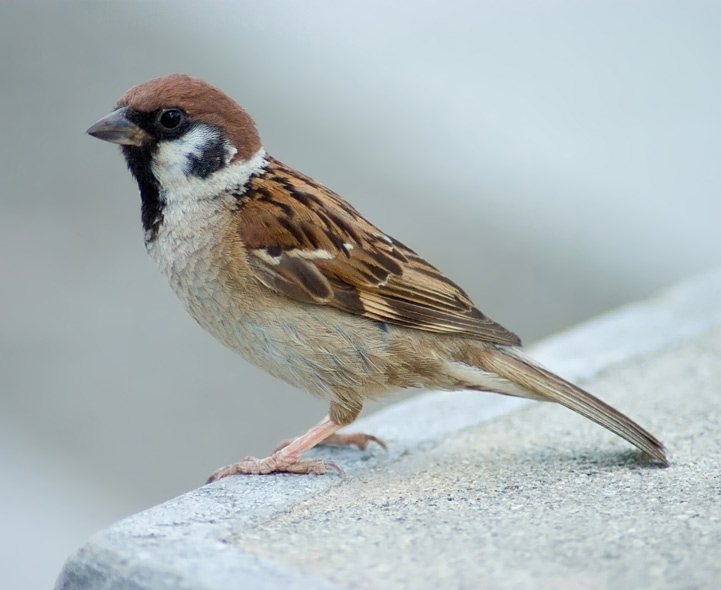
Photograph courtesy of http://www.laitche.com/
House Sparrow
Common Starling
Eurasian Tree Sparrow
Lapland Bunting
- Group: Sparrows
- Binomial: Passer montanus
- Order: Passeriformes
- Family: Passeridae
- Status: Resident Breeding Species
- The UK population has suffered a severe decline, estimated at 93 per cent between 1970 and 2008.
- Untidy nest usually built in a natural cavity.
- Shy and not associated with man.
7 .
What is the name of this bird?
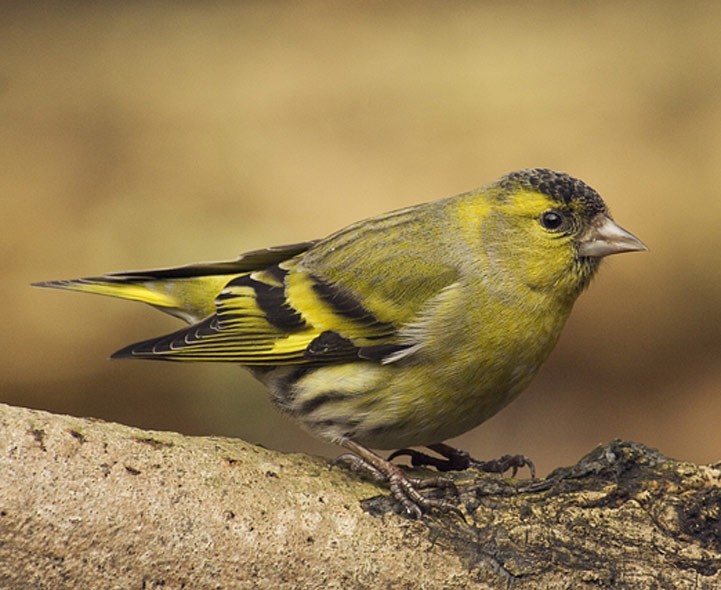
Photograph courtesy of Stawek Staszczuk
Eurasian Bullfinch
Eurasian Linnet
European Goldfinch
Eurasian Siskin
- Group: Finches
- Binomial: Carduelis spinus
- Order: Passeriformes
- Family: Fringillidae
- Status: Resident Breeding Species And Winter Visitor
- It has a bounding flight pattern.
- This bird has two calls, both powerful but conflicting.
- On occasions they also issue a harsh rattling chirrup.
8 .
What is the name of this bird?
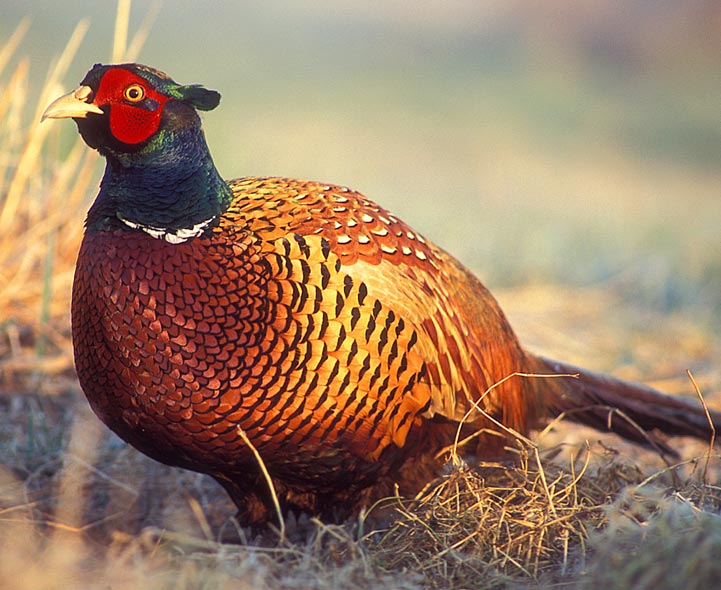
Photograph courtesy of Lukasz Lukasik
Grey Partridge
Red Grouse
Common Pheasant
Golden Pheasant
- Group: Pheasants, Partridges and Quail
- Binomial: Phasianus colchicus
- Order: Galliformes
- Family: Phasianidae
- Status: Resident Introduced Population
- The bird was naturalized in Great Britain around the 10th century AD.
- Around 30 million birds are released each year on shooting estates.
- Usually seen in the open countryside near woodland edges and copses.
9 .
What is the name of this bird?
-C.jpg)
Photograph courtesy of Brian Snelson
Carrion Crow
European Magpie
Rook
Eurasian Jay
- Group: Crows and allies
- Binomial: Corvus frugilegus
- Order: Passeriformes
- Family: Corvidae
- Status: Resident Breeding Species
- Untidy appearance arising from the slightly peaked head and the thigh feathers, which look like baggy trousers.
- Rarely alone and so their raucous caws can become overwhelming.
10 .
What is the name of this bird?
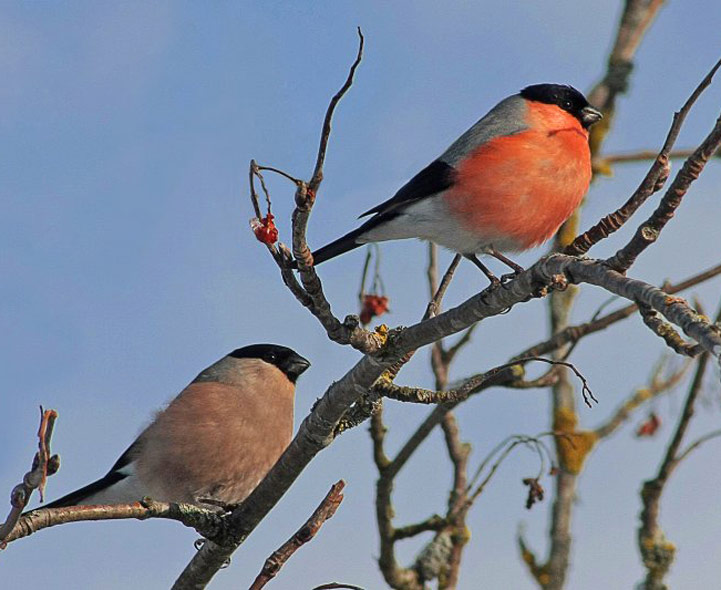
Photograph courtesy of http://piqs.de/user/Geli/
Chaffinch
Eurasian Siskin
Eurasian Bullfinch
Common Crossbill
- Group: Finches
- Binomial: Pyrrhula pyrrhula
- Order: Passeriformes
- Family: Fringillidae
- Status: Resident Breeding Species
- It is a quiet, secretive but heavily built bird.
- In keeping with its quiet nature, the song is a quiet warble.
- Its call is a piped 'phew'.
- Look for at woodland edges.



**Unlimited Quizzes Await You! 🚀**
Hey there, quiz champ! 🌟 You've already tackled today's free questions.
Ready for more?
Ready for more?
🔓 Unlock UNLIMITED Quizzes and challenge yourself every day. But that's
not all...
not all...
🔥 As a Subscriber you can join our thrilling "Daily Streak" against other
quizzers. Try to win a coveted spot on our Hall of Fame Page.
quizzers. Try to win a coveted spot on our Hall of Fame Page.
Don't miss out! Join us now and keep the fun rolling. 🎉
**Unlimited Quizzes Await You! 🚀**
Hey there, quiz champ! 🌟 You've already tackled today's free questions. Ready for more?
🔓 Unlock UNLIMITED Quizzes and challenge yourself every day. But that's not all...
🔥 As a Subscriber you can join our thrilling "Daily Streak" against other quizzers. Try to win a coveted spot on our Hall of Fame Page.
Don't miss out! Join us now and keep the fun rolling. 🎉




© Copyright 2016-2026 - Education Quizzes
Work Innovate Ltd - Design | Development |
Marketing
