




Ask the AI Tutor
Need help with British Birds - Garden Birds 05 - Rare? Ask our AI Tutor!
AI Tutor - Lucy
Connecting with Tutor...
Please wait while we establish connection
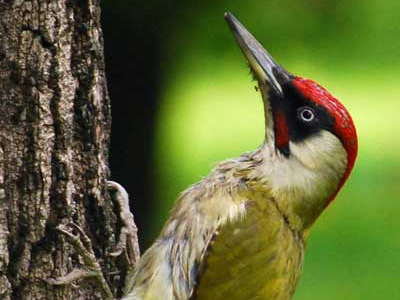
'Yaffle' was an English folk name for this bird. What do we know it as now?
British Birds - Garden Birds 05 - Rare
Rare garden birds can be blink-and-you-miss-it visitors. This quiz helps you notice shape, sound and behaviour so you can identify surprising sightings with care.
To see a larger image, click on the picture.
1 .
What is the name of this bird?
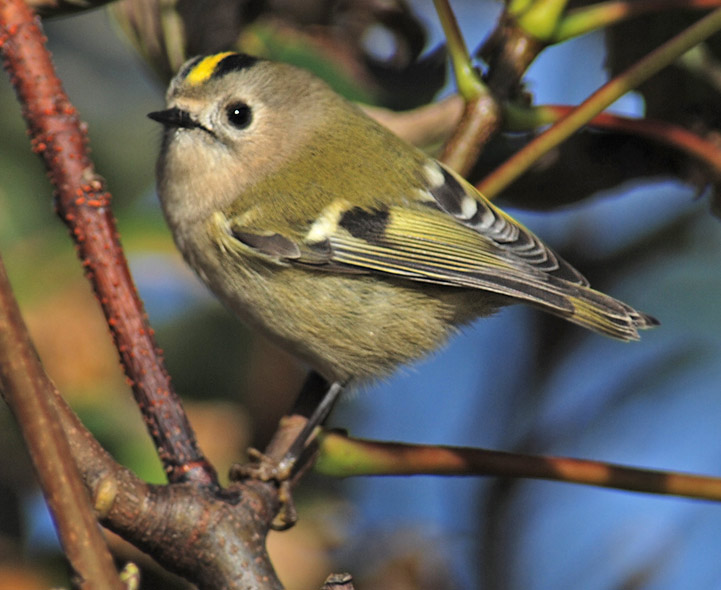
Photograph courtesy of Katie Fuller
Ring Ouzel
Goldcrest
Common Pied Oystercatcher
Shore Lark
- Group: Kinglets
- Binomial: Regulus regulus
- Order: Passeriformes.
- Family: Regulidae
- Status: Resident Breeding Species
- Called the 'king of the birds' in European folklore.
- The female is reluctant to leave the nest when disturbed, and has been recorded to stay in the nest when it is moved, or even when it is being held.
2 .
What is the name of this bird?
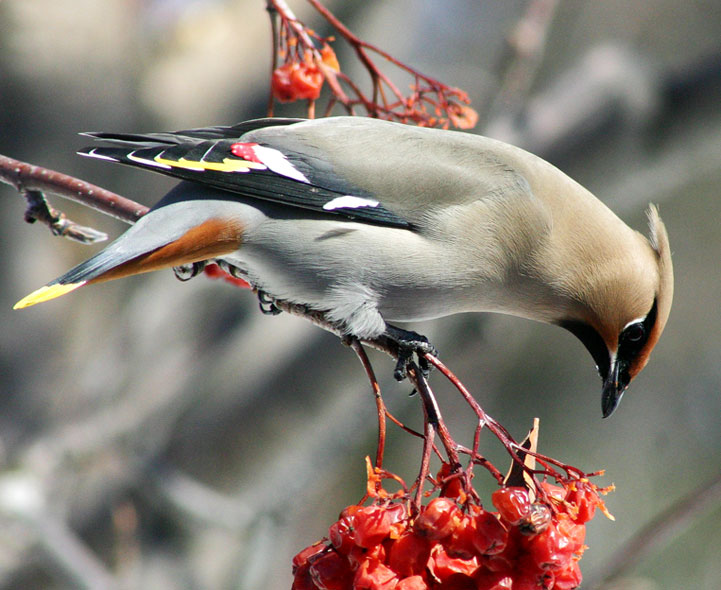
Photograph courtesy of Randen Pederson
Feral Pigeon
Black Redstart
Northern Gannet
Bohemian Waxwing
- Group: Waxwings
- Binomial: Bombycilla garrulus
- Order: Passeriformes
- Family: Bombycillidae
- Status: Winter Visitor
- This species is irruptive, moving in unpredictable migration patterns from year to year.
- Birds in winter can be very confiding and will come into gardens for berries, a favourite being the rowan.
3 .
What is the name of this bird?
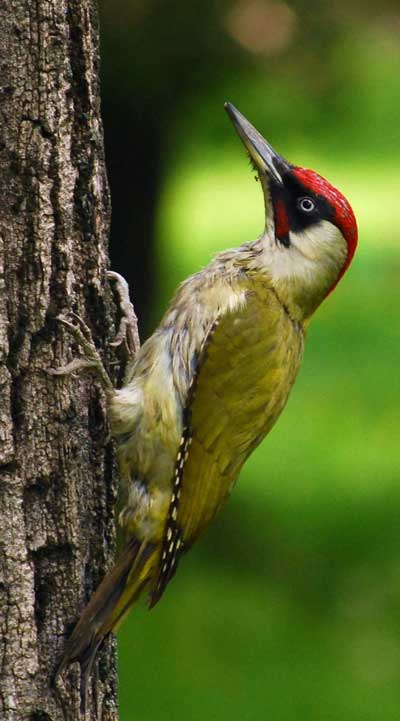
Photograph courtesy of Andrei Stroe
Willow Tit
Great Spotted Woodpecker
Green Woodpecker
Marsh Tit
- Group: Woodpeckers
- Binomial: Picus viridis
- Order: Piciformes
- Family: Picidae
- Status: Resident Breeding Species
- Spends much of its time feeding on ants on the ground.
- The tongue is long (10 cm) and has to be curled around its skull.
- 'Yaffle' was an English folk name for this bird.
4 .
What is the name of this bird?
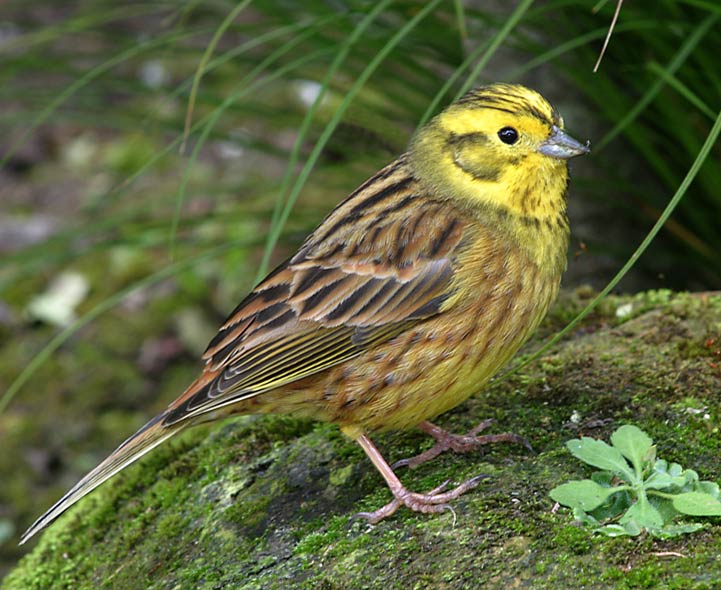
Photograph courtesy of AlanVernon
Yellowhammer
Common Starling
Lapland Bunting
House Sparrow
- Group: Buntings and American Sparrows
- Binomial: Emberiza citrinella
- Order: Passeriformes
- Family: Emberizidae
- Status: Resident Breeding Species
- Common in all sorts of open areas.
- Often seen perched on top of a hedge or bush, singing its high-pitched song.
- The familiar song of the male is often described as 'A little bit of bread and no cheese'.
5 .
What is the name of this bird?
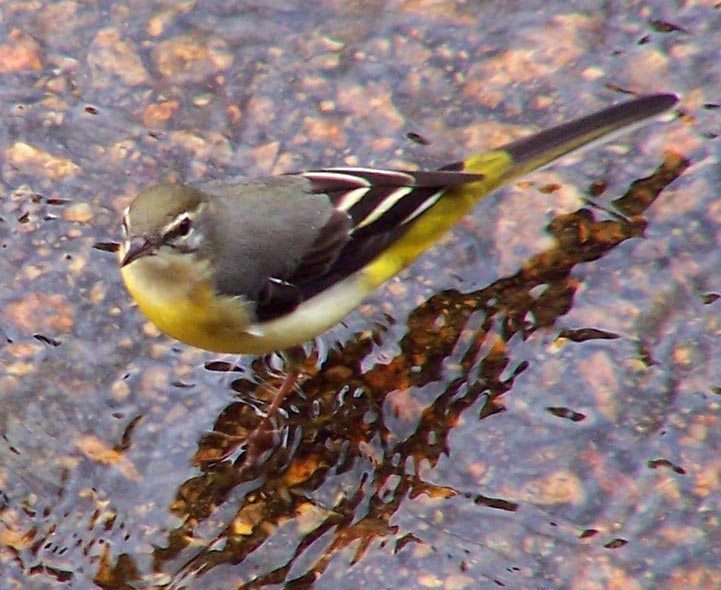
Photograph courtesy of Kclama
Grey Wagtail
Barn Swallow
Pied Wagtail
Water Pipit
- Group: Wagtails and Pipits
- Binomial: Motacilla cinerea
- Order: Passeriformes
- Family: Motacillidae
- Status: Resident Breeding Species
- Their diet comprises insects, such as midges and ants, which they find alongside rivers, etc.
- They will also take water snails and tadpoles from shallow water.
- The young are fed by both parents.
6 .
What is the name of this bird?
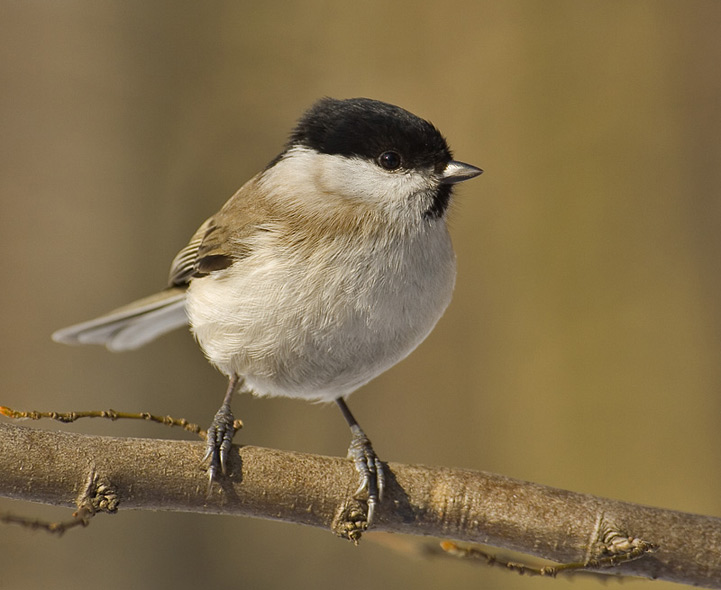
Photograph courtesy of Stawek Staszczuk
Blue Tit
Crested Tit
Long-tailed Tit
Marsh Tit
- Group: Tits
- Binomial: Parus palustris
- Order: Passeriformes
- Family: Paridae
- Status: Resident Breeding Species
- The global population includes between 6.1 million and 12 million birds in Europe alone.
- Individual birds can have more than five songs, which they use interchangeably.
- The call sounds like a ringing sneeze.
7 .
What is the name of this bird?
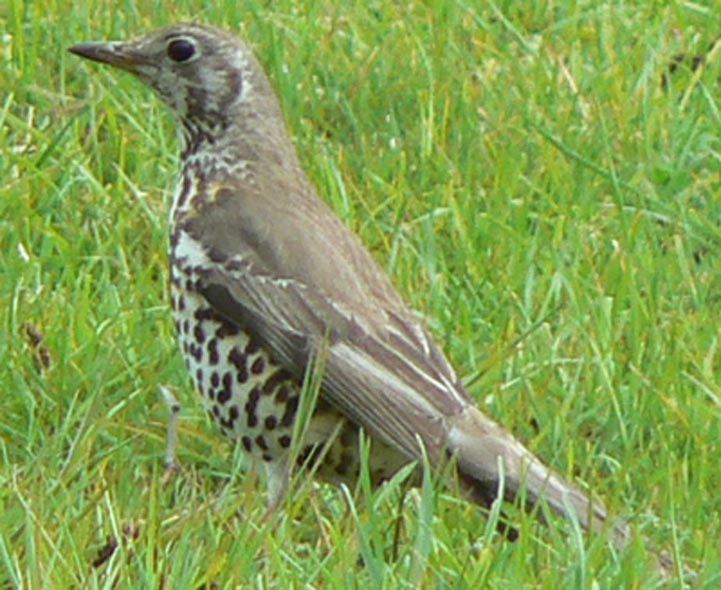
Photograph courtesy of Neil Phillips
European Robin
Blackbird
Common Redstart
Mistle Thrush
- Group: Thrushes
- Binomial: Turdus viscivorus
- Order: Passeriformes
- Family: Turdidae
- Status: Resident Breeding Species
- The alarm call is like a football rattle or machine gun.
- Their dreamy song is loud and far reaching and often heard during stormy weather, hence its alternative name of Stormcock.
8 .
What is the name of this bird?
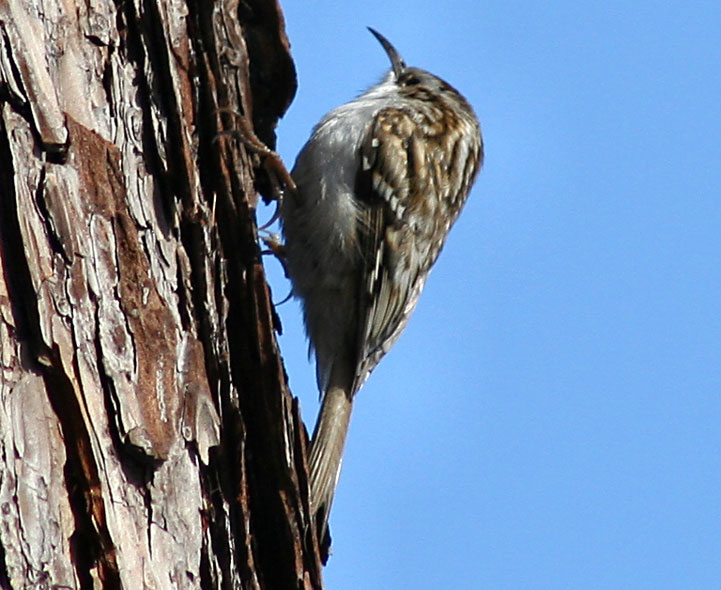
Photograph courtesy of Pawel Kuzniar
Eurasian Nuthatch
Grey Heron
Common Treecreeper
Northern Gannet
- Group: Treecreepers
- Binomial: Certhia familiaris
- Order: Passeriformes
- Family: Certhiidae
- Status: Resident Breeding Species
- It climbs up trees mouse-like and usually starts at the bottom and works upwards in a spiral around the trunk.
- Both call and song are high-pitched and not audible to everyone.
- Small and very active bird.
9 .
What is the name of this bird?
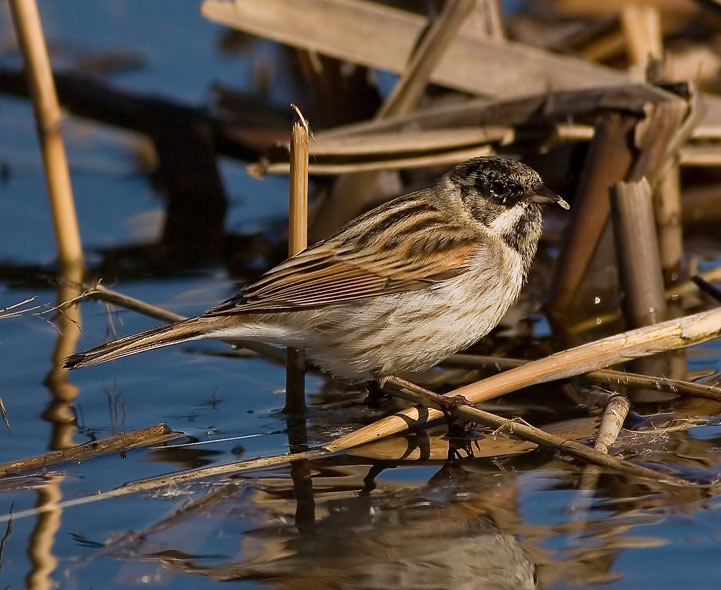
Photograph courtesy of Emberiza Schoeniclus
Common Starling
House Sparrow
Dunnock
Reed Bunting
- Group: Buntings and American Sparrows
- Binomial: Emberiza schoeniclus
- Order: Passeriformes
- Family: Emberizidae
- Status: Resident Breeding Species
- Usually delivers its song from a perch at the top of a tree or bush.
- The nest is a cup of grass and moss built on the ground.
- Fine grasses and hair are used to line the cup.
10 .
What is the name of this bird?
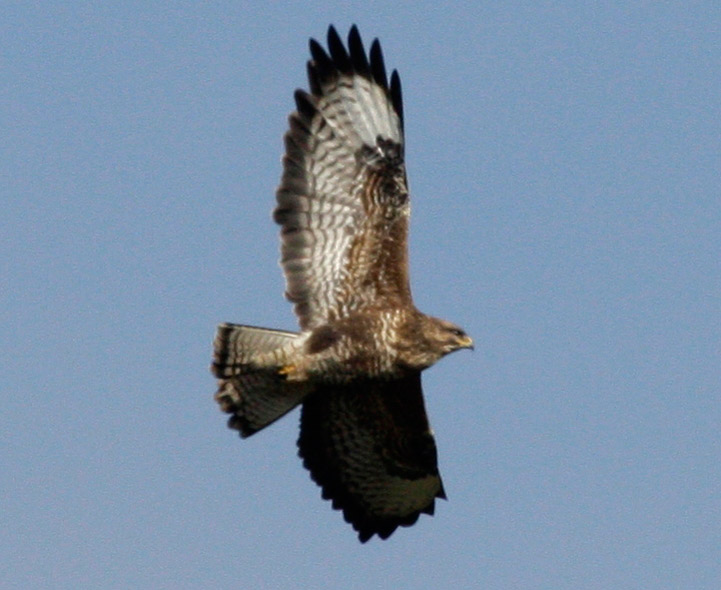
Photograph courtesy of Avicedo
Common Buzzard
Golden Eagle
Northern Goshawk
European Honey-buzzard
- Group: Buzzards, Kites and allies
- Binomial: Buteo buteo
- Order: Falconiformes
- Family: Accipitridae
- Status: Resident Breeder And Passage Migrant
- Pairs mate for life.
- The male performs a ritual aerial display before the beginning of spring.
- This spectacular display is known as 'the roller coaster'.



**Unlimited Quizzes Await You! 🚀**
Hey there, quiz champ! 🌟 You've already tackled today's free questions.
Ready for more?
Ready for more?
🔓 Unlock UNLIMITED Quizzes and challenge yourself every day. But that's
not all...
not all...
🔥 As a Subscriber you can join our thrilling "Daily Streak" against other
quizzers. Try to win a coveted spot on our Hall of Fame Page.
quizzers. Try to win a coveted spot on our Hall of Fame Page.
Don't miss out! Join us now and keep the fun rolling. 🎉
**Unlimited Quizzes Await You! 🚀**
Hey there, quiz champ! 🌟 You've already tackled today's free questions. Ready for more?
🔓 Unlock UNLIMITED Quizzes and challenge yourself every day. But that's not all...
🔥 As a Subscriber you can join our thrilling "Daily Streak" against other quizzers. Try to win a coveted spot on our Hall of Fame Page.
Don't miss out! Join us now and keep the fun rolling. 🎉




© Copyright 2016-2026 - Education Quizzes
Work Innovate Ltd - Design | Development |
Marketing
