




Ask the AI Tutor
Need help with British Birds - Miscellaneous 01? Ask our AI Tutor!
AI Tutor - Lucy
Connecting with Tutor...
Please wait while we establish connection
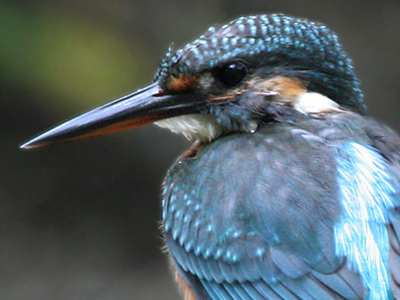
The flight of this bird is fast, direct and usually low over water. A firm favourite.
British Birds - Miscellaneous 01
Birdwatching gets easier when you know the “oddballs”. This quiz covers a mixed bag of British birds and the simple clues that help you identify them.
To see a larger image, click on the picture.
1 .
What is the name of this bird?
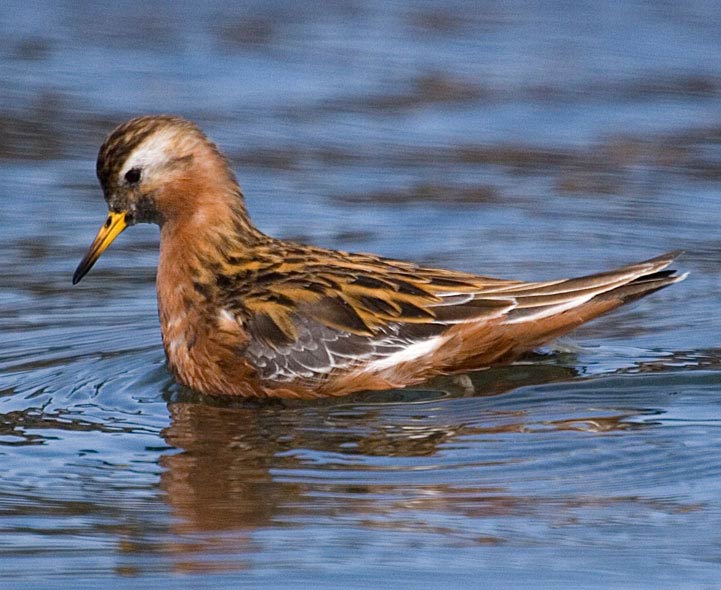
Photograph courtesy of Mike Baird
Ring-necked Parakeet
Stock Dove
Common Kingfisher
Grey Phalarope
- Group: Sandpipers and allies
- Binomial: Phalaropus fulicaria
- Order: Charadriiformes
- Family: Scolopacidae
- Status: Scarce Winter Visitor
- Once the females lay their olive-brown eggs, they begin their southward migration, leaving the males to incubate the eggs and care for the young.
- The young mainly feed themselves and are able to fly within 18 days of birth.
2 .
What is the name of this bird?
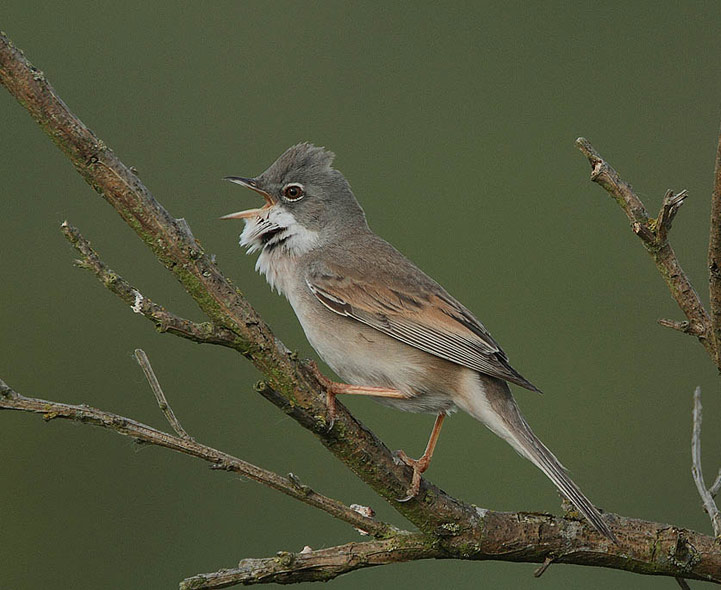
Photograph courtesy of Steve Garvie
Whitethroat
Sooty Shearwater
Wren
Stock Dove
- Group: Old World Warblers
- Binomial: Sylvia communis
- Order: Passeriformes
- Family: Sylviidae
- Status: Breeding Summer Visitor
- The song is fast and scratchy, with a scolding tone.
- This is a bird of open country and cultivation, with bushes for nesting.
- The nest is built in low shrub or brambles and 3-7 eggs are laid.
3 .
What is the name of this bird?
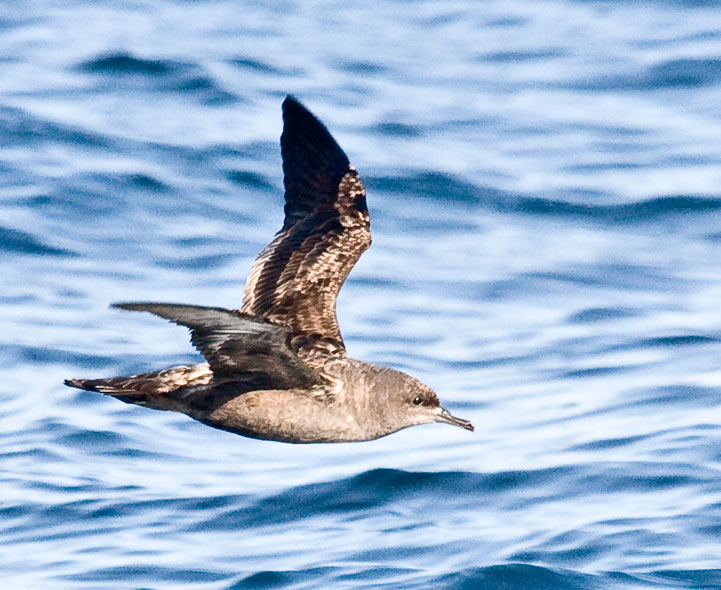
Photograph courtesy of Mike Baird
Common Kingfisher
European Nightjar
Sooty Shearwater
Ring-necked Parakeet
- Group: Shearwaters and Petrels
- Binomial: Puffinus griseus
- Order: Procellariiformes
- Family: Procellariidae
- Status: Passage Migrant
- It makes a huge clockwise migration up the western Atlantic in spring to spend the northern summer there.
- Then in summer/autumn it moves down into UK waters on its return to the southern ocean to breed.
4 .
What is the name of this bird?
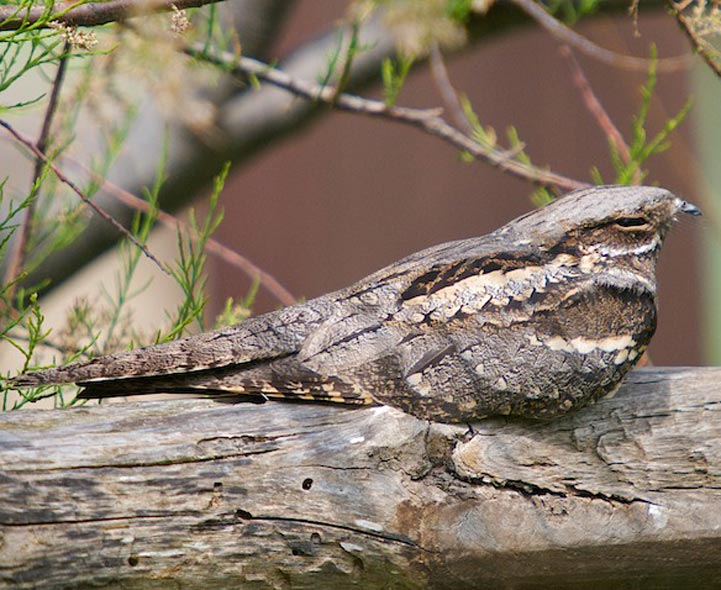
Photograph courtesy of Ecologyweb
Ring-necked Parakeet
Sooty Shearwater
Common Kingfisher
European Nightjar
- Group: Nightjars
- Binomial: Caprimulgus europaeus
- Order: Caprimulgiformes
- Family: Caprimulgidae
- Status: Breeding Summer Visitor
- A nocturnal bird and can be seen hawking for food at dusk and dawn.
- They have an almost supernatural reputation with their silent flight and their mythical ability to steal milk from goats.
5 .
What is the name of this bird?
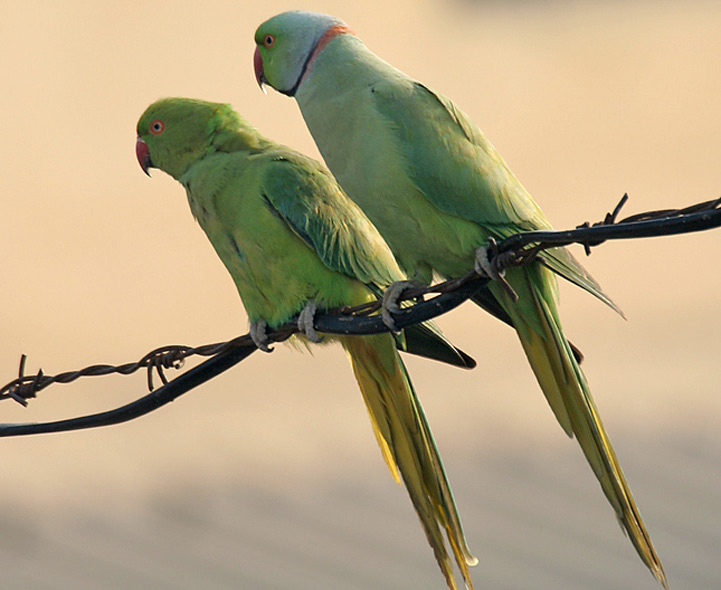
Photograph courtesy of J M Garg
Ring-necked Parakeet
Little Egret
Stone Curlew
Stock Dove
- Group: Parrots
- Binomial: Psittacula krameri
- Order: Psittaciformes
- Family: Psittacidae
- Status: Resident Introduced Population
- Often found in flocks, numbering hundreds at a roost site, it can be very noisy.
- Found mainly in south-east England, particularly Surrey, Kent and Sussex.
- Eats fruit, berries, nuts and seeds.
6 .
What is the name of this bird?
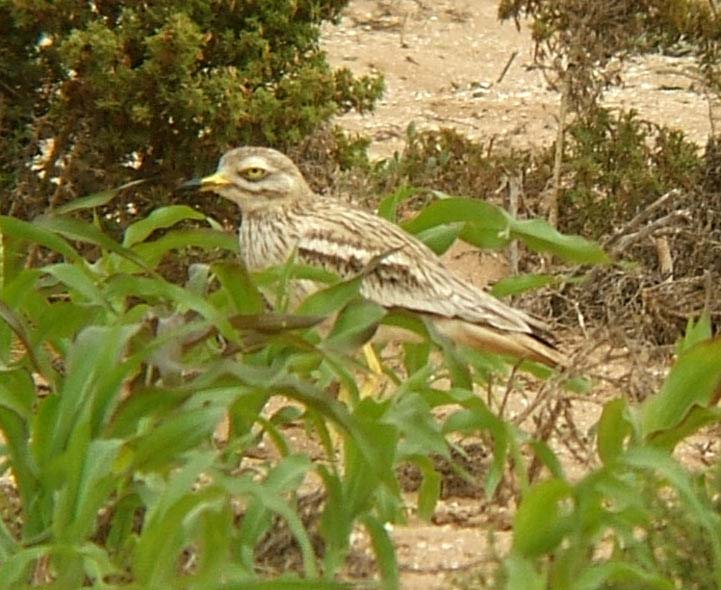
Photograph courtesy of Unknown
Whitethroat
Stock Dove
Stone Curlew
Sooty Shearwater
- Group: Thick-knees
- Binomial: Burhinus oedicnemus
- Order: Charadriiformes
- Family: Burhinidae
- Status: Breeding Summer Visitor
- A strange, rare summer visitor to southern England.
- It is largely nocturnal, particularly when singing its loud wailing songs.
- Its large yellow eyes enable it to locate food when it is dark.
7 .
What is the name of this bird?
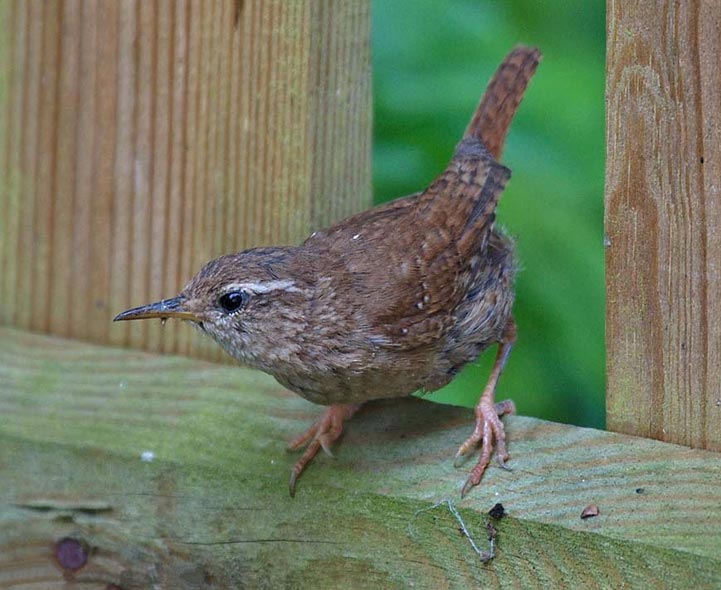
Photograph courtesy of Martien Brand
Little Egret
Wren
Common Kingfisher
Sooty Shearwater
- Group: Wren
- Binomial: Troglodytes troglodytes
- Order: Passeriformes
- Family: Troglodytidae
- Status: Resident Breeding Species
- Tiny birds that weigh about the same as a £1.00 coin
- Forever twitching and moving around
- Tail sticks out from the body at an oddly twisted angle
- Very loud voice for such a small bird
8 .
What is the name of this bird?
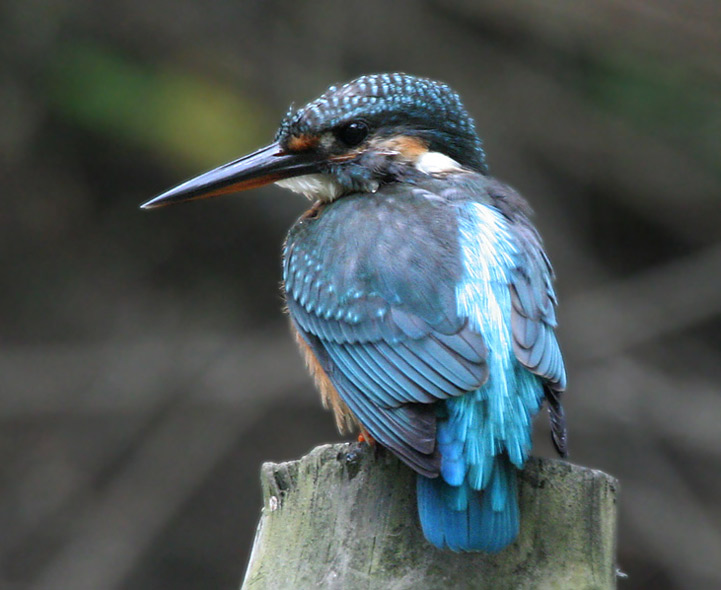
Photograph courtesy of J M Garg
Sooty Shearwater
Ring-necked Parakeet
Common Kingfisher
Stone Curlew
- Group: Kingfishers
- Binomial: Alcedo atthis
- Order: Coraciiformes
- Family: Alcedinidae
- Status: Resident Breeding Species
- The flight is fast, direct and usually low over water.
- The short rounded wings whirr rapidly.
- It has no song.
- The flight call is a short sharp whistle, 'chee', repeated two or three times.
9 .
What is the name of this bird?
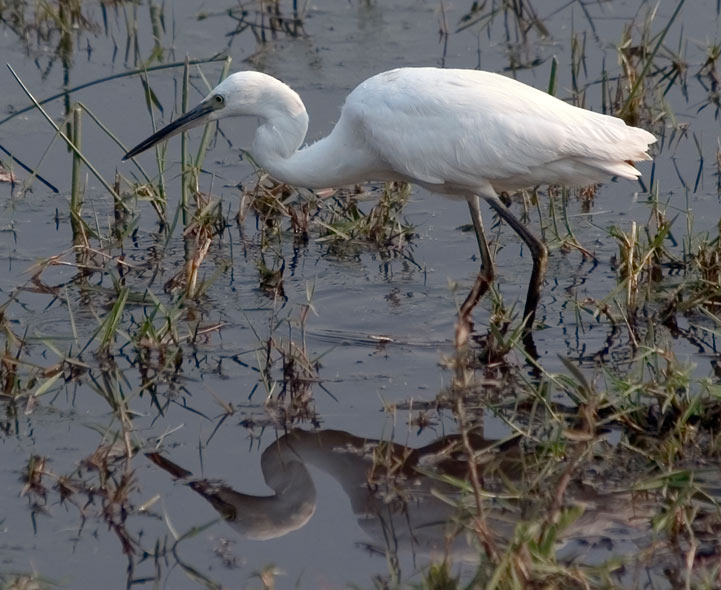
Photograph courtesy of Birdman 1
Grey Phalarope
Stone Curlew
Sooty Shearwater
Little Egret
- Group: Bitterns, Herons and Egrets
- Binomial: Egretta garzetta
- Order: Ciconiiformes
- Family: Ardeidae
- Status: Resident Breeding Species And Passage Migrant
- These birds are mostly silent but make various croaking and bubbling calls at their breeding colonies.
- They are listed in the coronation feast of King Henry VI in 1429.
10 .
What is the name of this bird?

Photograph courtesy of Chris Cant
Whitethroat
European Nightjar
Stock Dove
Little Egret
- Group: Pigeons and Doves
- Binomial: Columba oenas
- Order: Columbiformes
- Family: Columbidae
- Status: Resident Breeding Species
- It perches well, and in nuptial display walks along a horizontal branch with swelled neck, lowered wings, and fanned tail.
- During the circling spring flight the wings are smartly cracked like a whip.



**Unlimited Quizzes Await You! 🚀**
Hey there, quiz champ! 🌟 You've already tackled today's free questions.
Ready for more?
Ready for more?
🔓 Unlock UNLIMITED Quizzes and challenge yourself every day. But that's
not all...
not all...
🔥 As a Subscriber you can join our thrilling "Daily Streak" against other
quizzers. Try to win a coveted spot on our Hall of Fame Page.
quizzers. Try to win a coveted spot on our Hall of Fame Page.
Don't miss out! Join us now and keep the fun rolling. 🎉
**Unlimited Quizzes Await You! 🚀**
Hey there, quiz champ! 🌟 You've already tackled today's free questions. Ready for more?
🔓 Unlock UNLIMITED Quizzes and challenge yourself every day. But that's not all...
🔥 As a Subscriber you can join our thrilling "Daily Streak" against other quizzers. Try to win a coveted spot on our Hall of Fame Page.
Don't miss out! Join us now and keep the fun rolling. 🎉




© Copyright 2016-2026 - Education Quizzes
Work Innovate Ltd - Design | Development |
Marketing
