




Ask the AI Tutor
Need help with British Birds - Miscellaneous 02? Ask our AI Tutor!
AI Tutor - Lucy
Connecting with Tutor...
Please wait while we establish connection
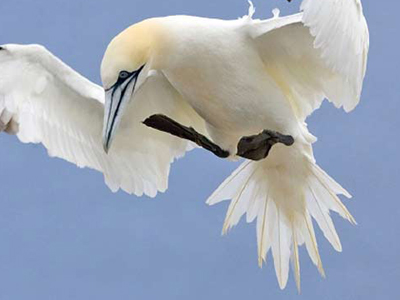
They perform elaborate greeting rituals, stretching their necks skywards and gently tapping bills together.
British Birds - Miscellaneous 02
Some British birds are unexpected visitors, city newcomers, or rare wanderers. This quiz helps you spot the odd ones by shape, behaviour, and habitat clues.
To see a larger image, click on the picture.
1 .
What is the name of this bird?
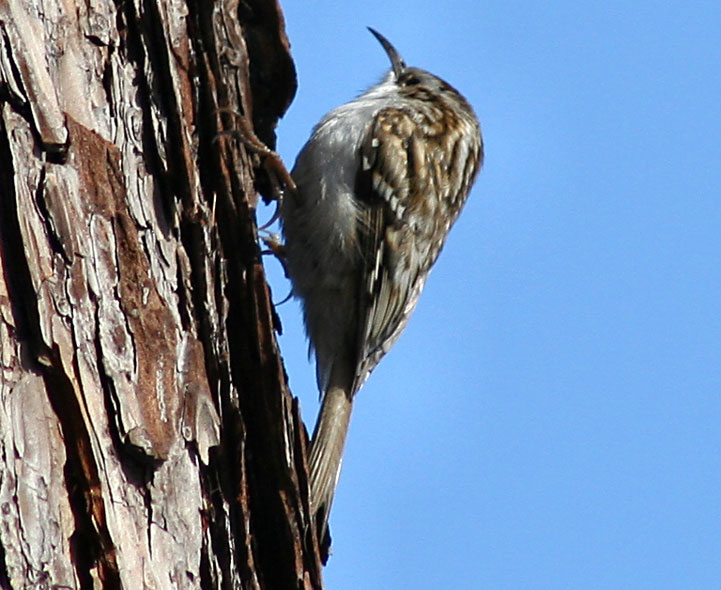
Photograph courtesy of Pawel Kuzniar
Eurasian Nuthatch
Grey Heron
Common Treecreeper
Northern Gannet
- Group: Treecreepers
- Binomial: Certhia familiaris
- Order: Passeriformes
- Family: Certhiidae
- Status: Resident Breeding Species
- It climbs up trees mouse-like and usually starts at the bottom and works upwards in a spiral around the trunk.
- Both call and song are high-pitched and not audible to everyone.
- Small and very active bird.
2 .
What is the name of this bird?
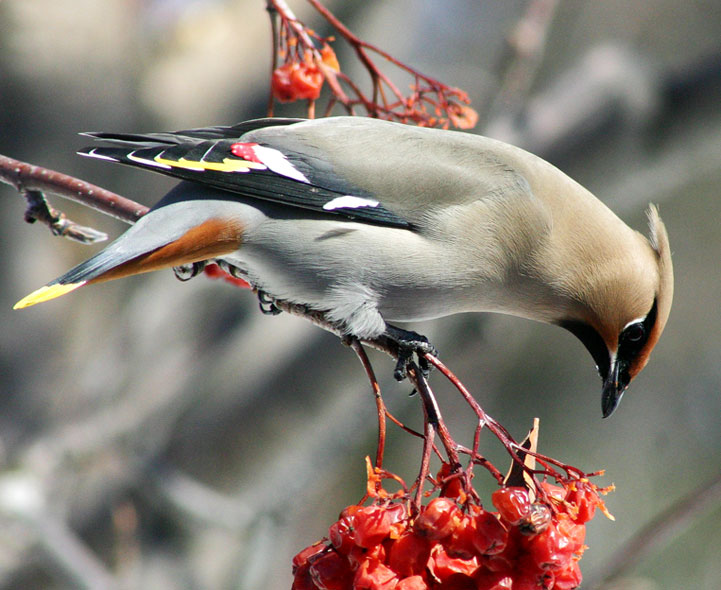
Photograph courtesy of Randen Pederson
Feral Pigeon
Black Redstart
Northern Gannet
Bohemian Waxwing
- Group: Waxwings
- Binomial: Bombycilla garrulus
- Order: Passeriformes
- Family: Bombycillidae
- Status: Winter Visitor
- This species is irruptive, moving in unpredictable migration patterns from year to year.
- Birds in winter can be very confiding and will come into gardens for berries, a favourite being the rowan.
3 .
What is the name of this bird?
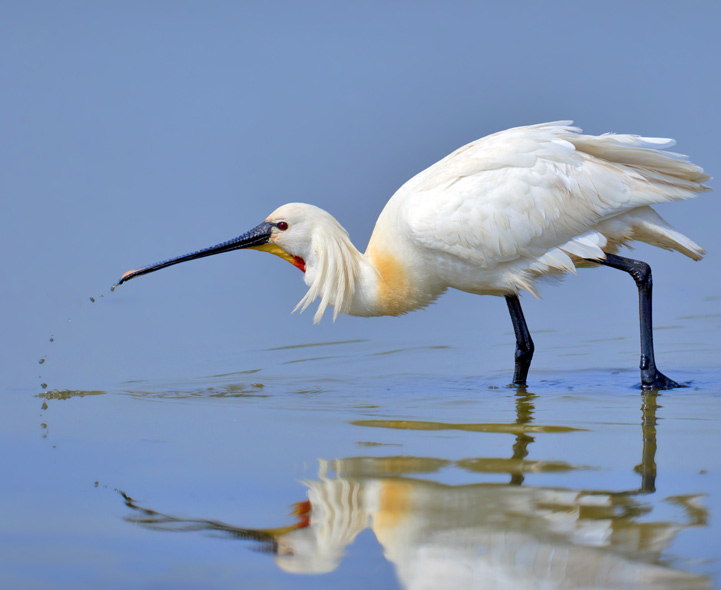
Photograph courtesy of http://photo-natur.de/
Eurasian Nuthatch
Common Spoonbill
Rough-legged Buzzard
Great Bittern
- Group: Ibises and Spoonbills
- Binomial: Platalea leucorodia
- Order: Ciconiiformes
- Family: Threskiornithidae
- Status: Scarce Migrant, Recently Bred
- These birds are tall white waterbirds with long spatulate black bills and long black legs.
- Can be seen on coastal sites in north-west and south-west England and East Anglia.
4 .
What is the name of this bird?
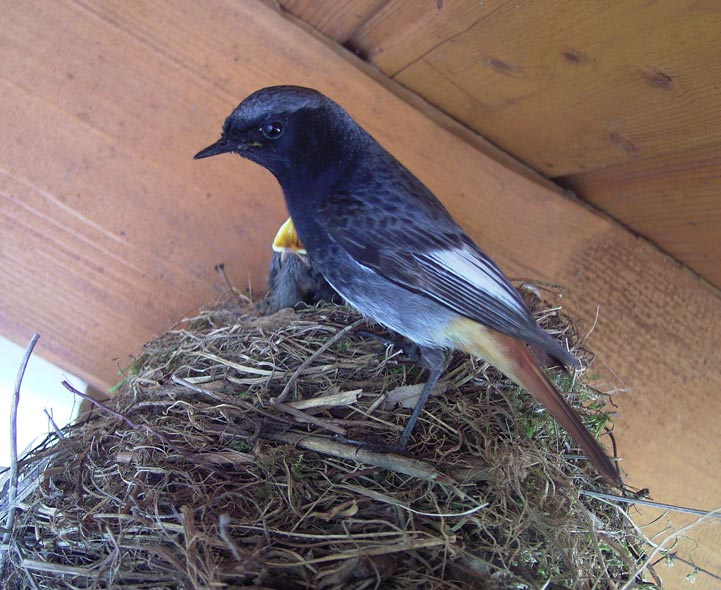
Photograph courtesy of Stefan-Xp
Great Bittern
Black Redstart
Common Treecreeper
Eurasian Nuthatch
- Group: Thrushes
- Binomial: Phoenicurus ochruros
- Order: Passeriformes
- Family: Turdidae
- Status: Scarce Breeding Resident, Passage Migrant & Winter Visitor
- A slim, upright bird, but also quite shy.
- The song is a hurried warble, followed by a scrunching sound like a bag of marbles, and finishing with a burst of ringing notes.
5 .
What is the name of this bird?
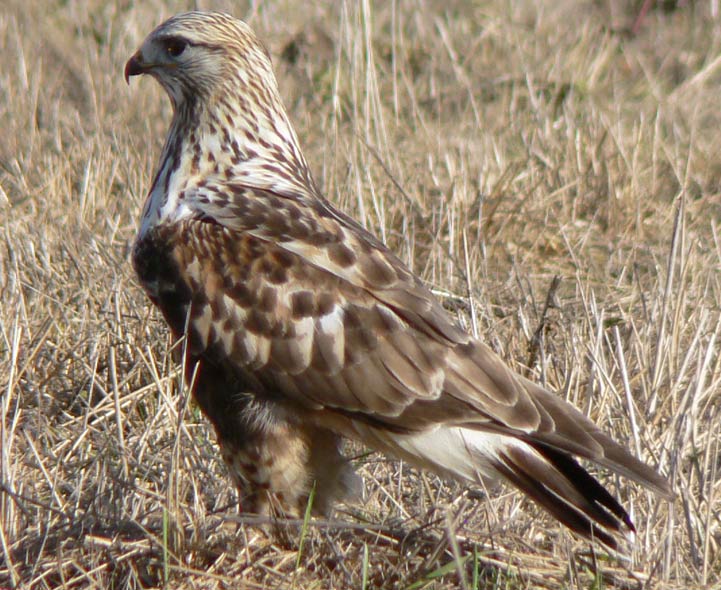
Photograph courtesy of Walter Siegmund
Northern Gannet
Rough-legged Buzzard
Feral Pigeon
Great Bittern
- Group: Buzzards, Kites and allies
- Binomial: Buteo lagopus
- Order: Falconiformes
- Family: Accipitridae
- Status: Winter Visitor
- It has the habit of 'hanging' in the air, hovering regularly, while looking for prey.
- Its toes are short for its size.
- It breeds on cliffs, slopes or in trees, laying about four eggs.
6 .
What is the name of this bird?
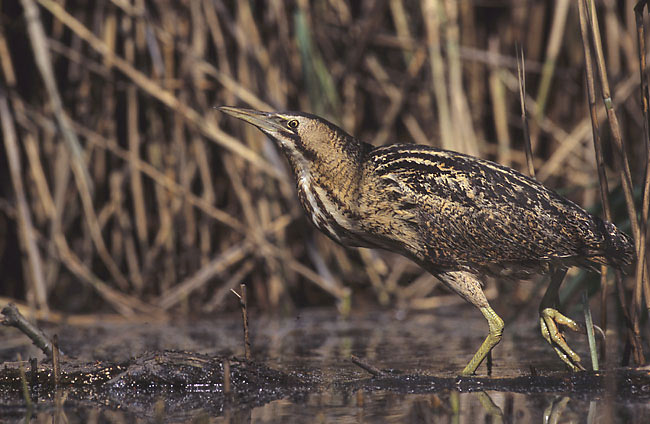
Photograph courtesy of http://www.marekszczepanek.pl/
Great Bittern
Black Redstart
Northern Gannet
Bohemian Waxwing
- Group: Bitterns, Herons and Egrets
- Binomial: Botaurus stellata
- Order: Ciconiiformes
- Family: Ardeidae
- Status: Resident Breeding Species And Winter Migrant
- A secretive bird, very difficult to see, as it moves silently through reeds at water's edge, looking for fish.
- The males make a remarkable far-carrying, booming sound in spring.
7 .
What is the name of this bird?
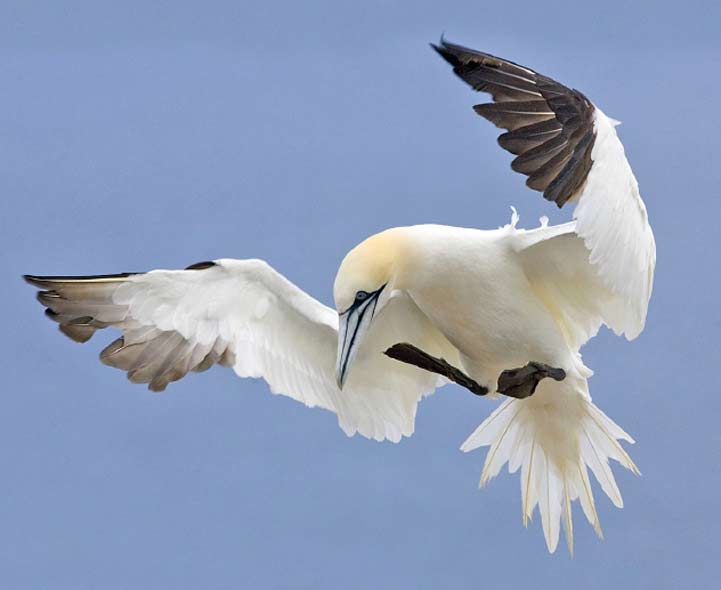
Photograph courtesy of http://www.naturespicsonline.com/
Bohemian Waxwing
Feral Pigeon
Northern Gannet
Common Spoonbill
- Group: Gannets
- Binomial: Morus bassanus
- Order: Pelecaniformes
- Family: Sulidae
- Status: Breeding Summer Visitor And Passage Migrant
- Pairs may remain together over several seasons.
- They perform elaborate greeting rituals, stretching their necks skywards and gently tapping bills together.
8 .
What is the name of this bird?
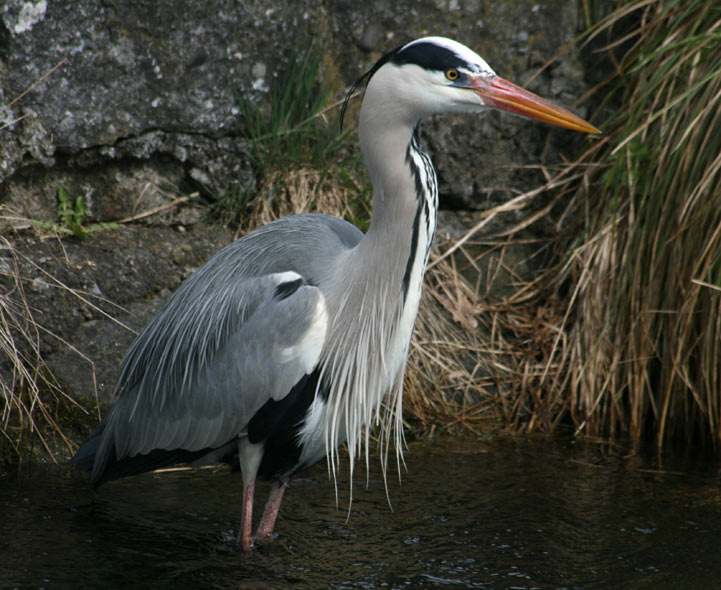
Photograph courtesy of Bjorn Kreis
Grey Heron
Feral Pigeon
Bohemian Waxwing
Common Treecreeper
- Group: Bitterns, Herons and Egrets
- Binomial: Ardea cinerea
- Order: Ciconiiformes
- Family: Ardeidae
- Status: Resident Breeding Species And Winter Migrant
- In flight it holds its neck retracted.
- It is usually solitary although several birds may feed fairly close together.
- It stalks its food, often standing motionless for some considerable time.
9 .
What is the name of this bird?
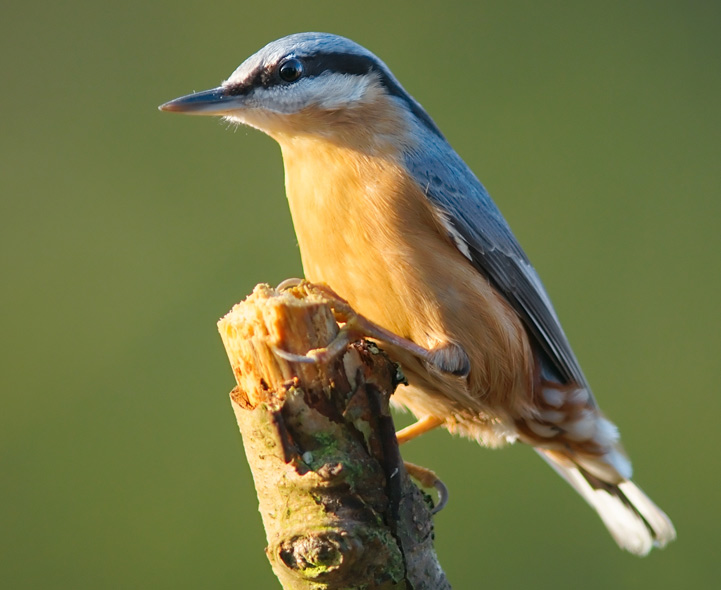
Photograph courtesy of http://www.lucnix.be/main.php
Eurasian Nuthatch
Common Spoonbill
Bohemian Waxwing
Common Treecreeper
- Group: Nuthatches
- Binomial: Sitta europaea
- Order: Passeriformes
- Family: Sittidae
- Status: Resident Breeding Species
- This bird climbs up, down and around the tree trunk and branches using its powerful toes.
- Best looked for in mature woods and established parkland.
- Occasional sightings in Scotland.
10 .
What is the name of this bird?
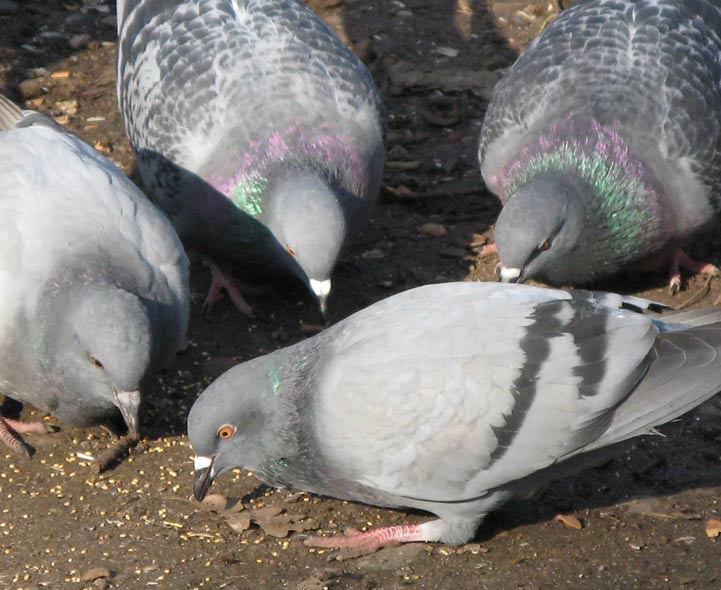
Photograph courtesy of Alexander Gamauf
Feral Pigeon
Great Bittern
Rough-legged Buzzard
Northern Gannet
- Group: Pigeons and Doves
- Binomial: Columba livia
- Order: Columbiformes
- Family: Columbidae
- Status: Resident, Most Birds Are Of Feral Origin
- A familiar site in towns and cities, pecking at scraps of food.
- Descended from the Rock Dove but breeding with other types of pigeon and dove has resulted in great diversity.



**Unlimited Quizzes Await You! 🚀**
Hey there, quiz champ! 🌟 You've already tackled today's free questions.
Ready for more?
Ready for more?
🔓 Unlock UNLIMITED Quizzes and challenge yourself every day. But that's
not all...
not all...
🔥 As a Subscriber you can join our thrilling "Daily Streak" against other
quizzers. Try to win a coveted spot on our Hall of Fame Page.
quizzers. Try to win a coveted spot on our Hall of Fame Page.
Don't miss out! Join us now and keep the fun rolling. 🎉
**Unlimited Quizzes Await You! 🚀**
Hey there, quiz champ! 🌟 You've already tackled today's free questions. Ready for more?
🔓 Unlock UNLIMITED Quizzes and challenge yourself every day. But that's not all...
🔥 As a Subscriber you can join our thrilling "Daily Streak" against other quizzers. Try to win a coveted spot on our Hall of Fame Page.
Don't miss out! Join us now and keep the fun rolling. 🎉




© Copyright 2016-2026 - Education Quizzes
Work Innovate Ltd - Design | Development |
Marketing
