




Ask the AI Tutor
Need help with British Birds - Miscellaneous 03? Ask our AI Tutor!
AI Tutor - Lucy
Connecting with Tutor...
Please wait while we establish connection
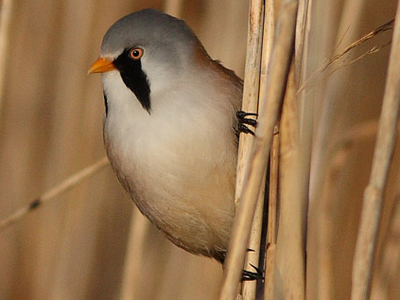
This brown, long-tailed bird, is usually seen flying rapidly across the top of a reedbed. Do you know what it is?
British Birds - Miscellaneous 03
British birds are not always the obvious garden regulars. This quiz explores some “miscellaneous” species by focusing on clues like shape, song, habitat, and seasonal behaviour.
To see a larger image, click on the picture.
1 .
What is the name of this bird?
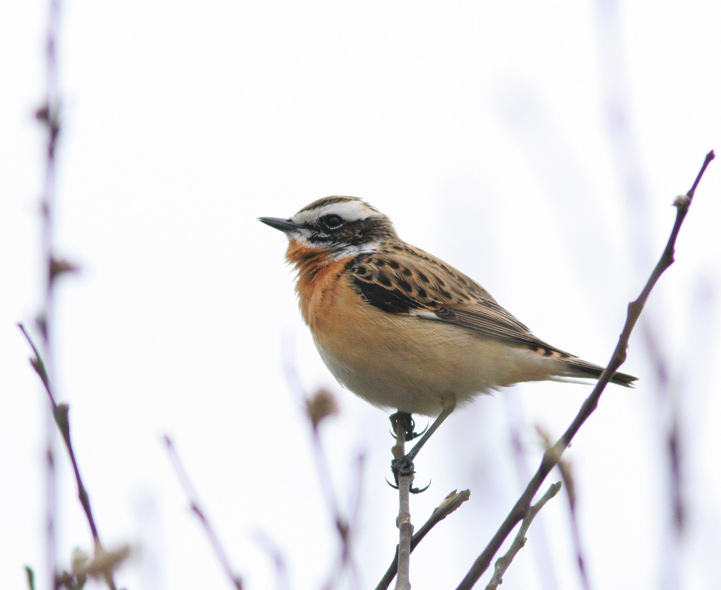
Photograph courtesy of Artur Mikolajewski
Mealy Redpoll
Wood Pigeon
Common Chiffchaff
Whinchat
- Group: Thrushes
- Binomial: Saxicola rubetra
- Order: Passeriformes
- Family: Turdidae
- Status: Breeding Summer Visitor & Passage Migrant
- Its scientific name means 'small rock-dweller', in reference to its habitat.
- These birds are short-lived, typically only surviving two years.
2 .
What is the name of this bird?

Photograph courtesy of Mark Medcalf
Pied Flycatcher
Spotted Flycatcher
White Stork
Mealy Redpoll
- Group: Old World Flycatchers
- Binomial: Ficedula hypoleuca
- Order: Passeriformes
- Family: Muscicapidae
- Status: Breeding Summer Visitor
- They prefer mature oak woodland, but also breed in mature upland ash and birch woods.
- They also like lichens that grow on trees.
- Nest boxes are not likely to be required.
3 .
What is the name of this bird?
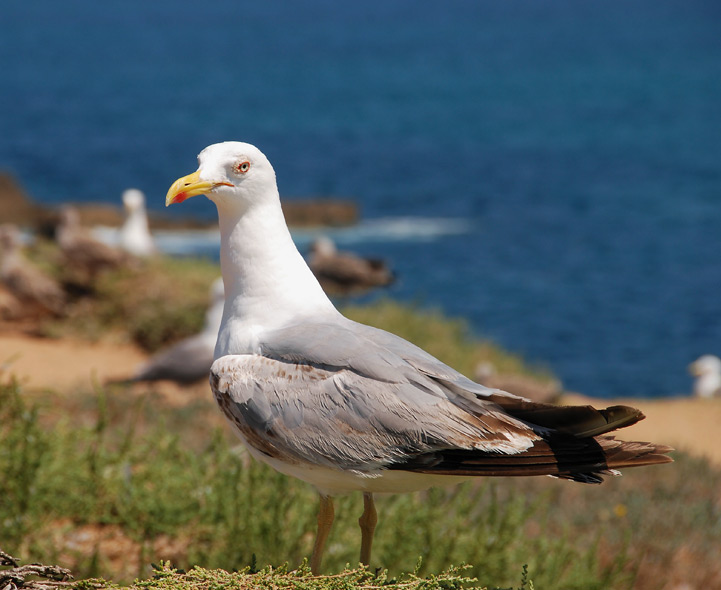
Photograph courtesy of Alvesgaspar
Yellow-legged Gull
Wood Pigeon
Mealy Redpoll
Common Chiffchaff
- Group: Gulls
- Binomial: Larus michahellis
- Order: Charadriiformes
- Family: Laridae
- Status: Non-Breeding Late-Summer Visitor And Passage Migrant
- Has only recently been recognised as a species in its own right.
- Can be found on reservoirs, on rubbish tips, in fields, on coastal marshes and in large evening gull roosts on reservoirs.
4 .
What is the name of this bird?
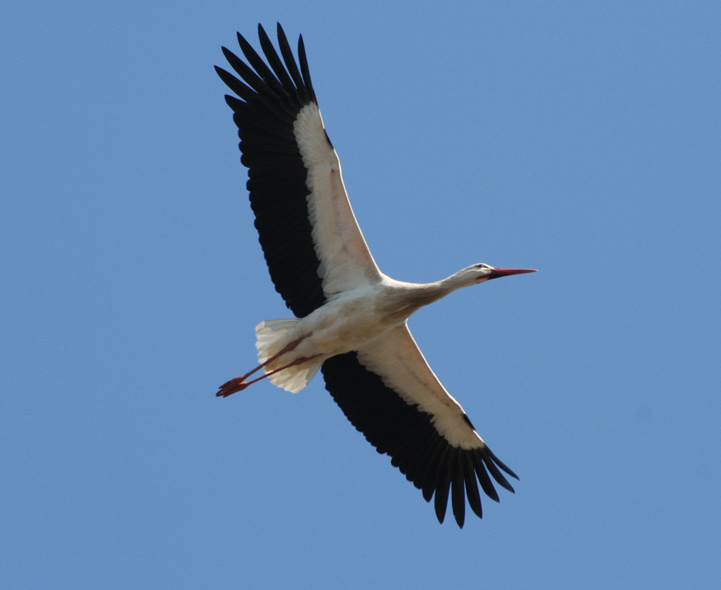
Photograph courtesy of Kai Schreiber
White Stork
Bearded Tit
Common Chiffchaff
Whinchat
- Group: Storks
- Binomial: Ciconia ciconia
- Order: Ciconiiformes
- Family: Ciconiidae
- Status: Scarce Migrant, Formerly Bred
- This conspicuous bird has given rise to many legends across its range, of which the best-known is the story of babies being brought by them.
- They rely on the uplift of air thermals to soar and glide long distances.
5 .
What is the name of this bird?
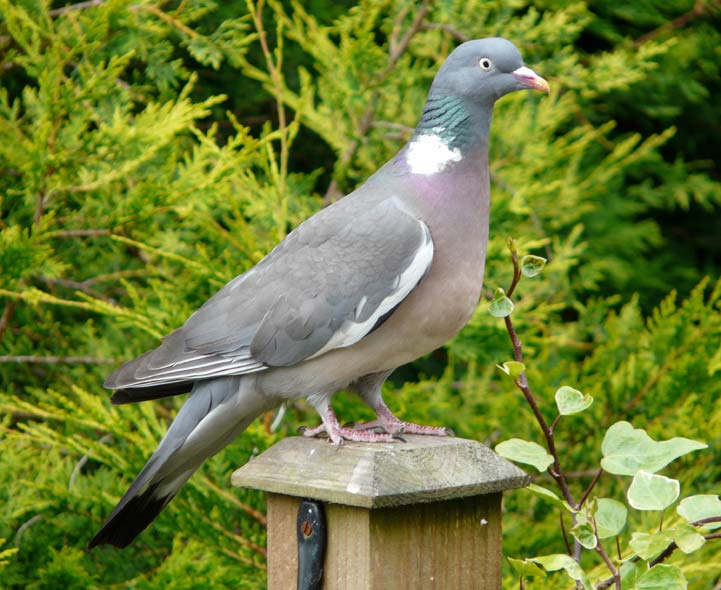
Photograph courtesy of Tristan Ferne
Mealy Redpoll
Wood Pigeon
Bearded Tit
Pied Flycatcher
- Group: Pigeons and Doves
- Binomial: Columba palumbus
- Order: Columbiformes
- Family: Columbidae
- Status: Resident Breeding Species
- Birds have a prominent white area around their neck, eyes are bright yellow and legs and bills are pink
- On the ground they "Waddle"!
- In frosty weather huge flocks devour farmers crops
6 .
What is the name of this bird?
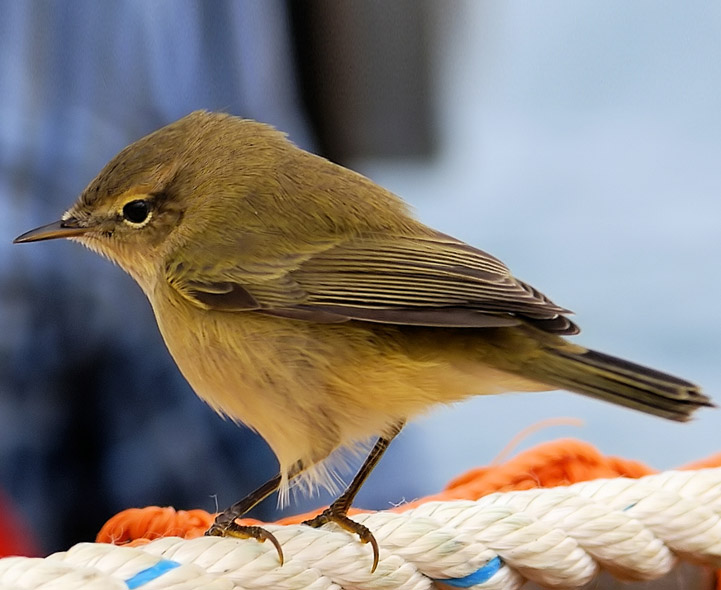
Photograph courtesy of Hans Hillewaert
Spotted Flycatcher
Common Chiffchaff
Turtle Dove
Bearded Tit
- Group: Old World Warblers
- Binomial: Phylloscopus collybita
- Order: Passeriformes
- Family: Sylviidae
- Status: Breeding Summer Visitor
- Its song is one of the first avian signs that spring has returned.
- The male is highly territorial during the breeding season, with a core territory typically 20 metres (66 ft) across, which is fiercely defended.
7 .
What is the name of this bird?
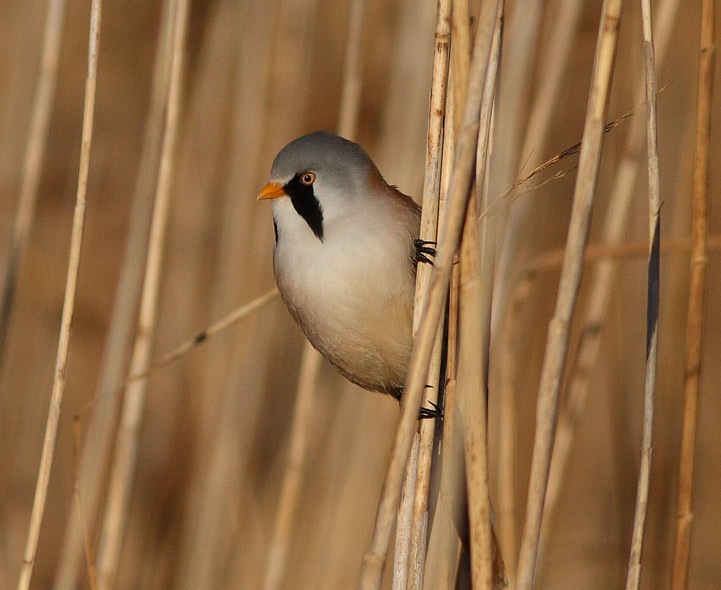
Photograph courtesy of www.wolframs-naturfotos.de
Yellow-legged Gull
Whinchat
Bearded Tit
Wood Pigeon
- Group: Babblers
- Binomial: Panurus biarmicus
- Order: Passeriformes
- Family: Timaliidae
- Status: Resident Breeding Species
- A brown, long-tailed bird, usually seen flying rapidly across the top of a reedbed.
- They are sociable and noisy, their 'ping' calls often being the first clue to their presence.
8 .
What is the name of this bird?
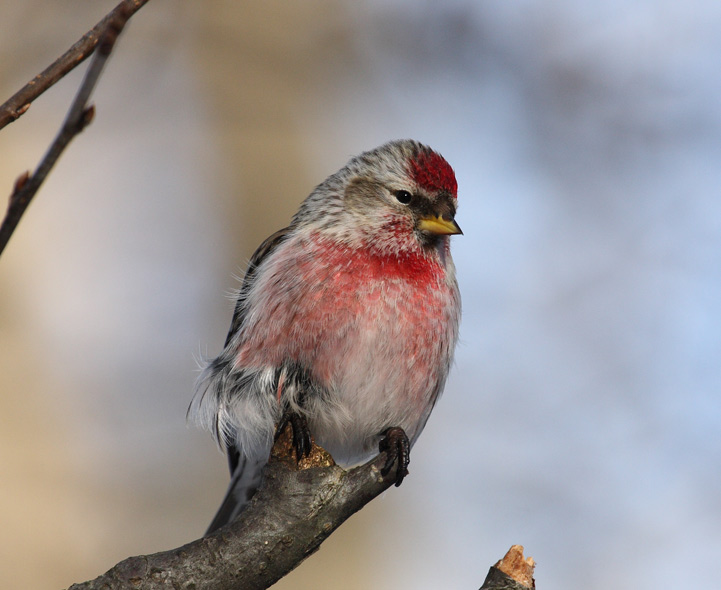
Photograph courtesy of Simon Pierre Barrette
Spotted Flycatcher
Wood Pigeon
Mealy Redpoll
Common Chiffchaff
- Group: Finches
- Binomial: Carduelis flammea
- Order: Passeriformes
- Family: Fringillidae
- Status: Winter Visitor And Passage Migrant
- It is streaky brown above and whitish below with black streaks.
- It shows two white lines on the wing.
- Eats small seeds from birch, alder and spruce, and insects.
9 .
What is the name of this bird?
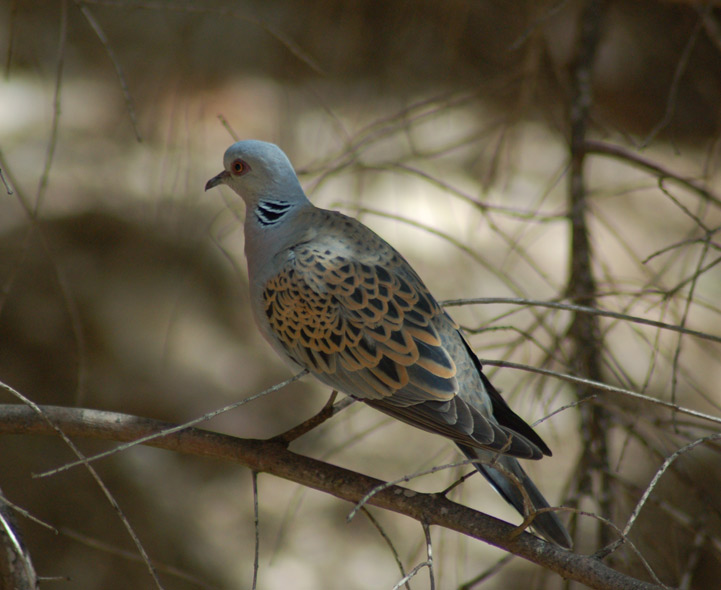
Photograph courtesy of David King
Common Chiffchaff
Spotted Flycatcher
Pied Flycatcher
Turtle Dove
- Group: Pigeons and Doves
- Binomial: Streptopelia turtur
- Order: Columbiformes
- Family: Columbidae
- Status: Breeding Summer Visitor
- Perhaps because of Biblical references (especially the well-known verse from the Song of Songs), its mournful voice and the fact that it forms strong pair bonds, these birds have become emblems of devoted love.
10 .
What is the name of this bird?
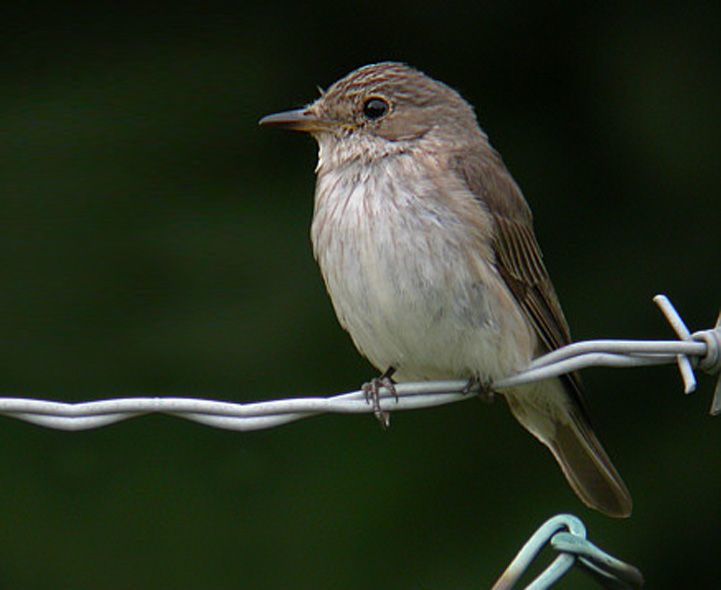
Photograph courtesy of Andrew Easton
Yellow-legged Gull
Bearded Tit
Wood Pigeon
Spotted Flycatcher
- Group: Old World Flycatchers
- Binomial: Muscicapa striata
- Order: Passeriformes
- Family: Muscicapidae
- Status: Breeding Summer Visitor
- They like to perch conspicuously and watch for passing insects, flying out to snap them up, before returning to the perch.
- Best looked for along woodland edges and in parks and gardens.



**Unlimited Quizzes Await You! 🚀**
Hey there, quiz champ! 🌟 You've already tackled today's free questions.
Ready for more?
Ready for more?
🔓 Unlock UNLIMITED Quizzes and challenge yourself every day. But that's
not all...
not all...
🔥 As a Subscriber you can join our thrilling "Daily Streak" against other
quizzers. Try to win a coveted spot on our Hall of Fame Page.
quizzers. Try to win a coveted spot on our Hall of Fame Page.
Don't miss out! Join us now and keep the fun rolling. 🎉
**Unlimited Quizzes Await You! 🚀**
Hey there, quiz champ! 🌟 You've already tackled today's free questions. Ready for more?
🔓 Unlock UNLIMITED Quizzes and challenge yourself every day. But that's not all...
🔥 As a Subscriber you can join our thrilling "Daily Streak" against other quizzers. Try to win a coveted spot on our Hall of Fame Page.
Don't miss out! Join us now and keep the fun rolling. 🎉




© Copyright 2016-2026 - Education Quizzes
Work Innovate Ltd - Design | Development |
Marketing
