




Ask the AI Tutor
Need help with British Birds - Pheasants, Grouse, Partridges and Quail? Ask our AI Tutor!
AI Tutor - Lucy
Connecting with Tutor...
Please wait while we establish connection
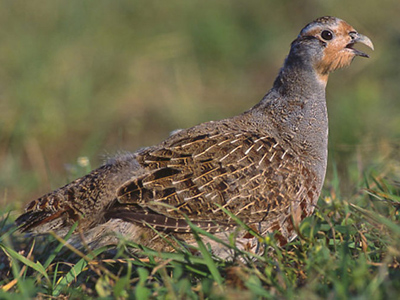
This is strictly a ground bird, never likely to be found in pear trees!
British Birds - Pheasants, Grouse, Partridges and Quail
Meet Britain’s gamebirds, from pheasants and partridges to grouse and quail. Learn how they live on farms, moors and woodland edges, and how to recognise them.
To see a larger image, click on the picture.
1 .
What is the name of this bird?
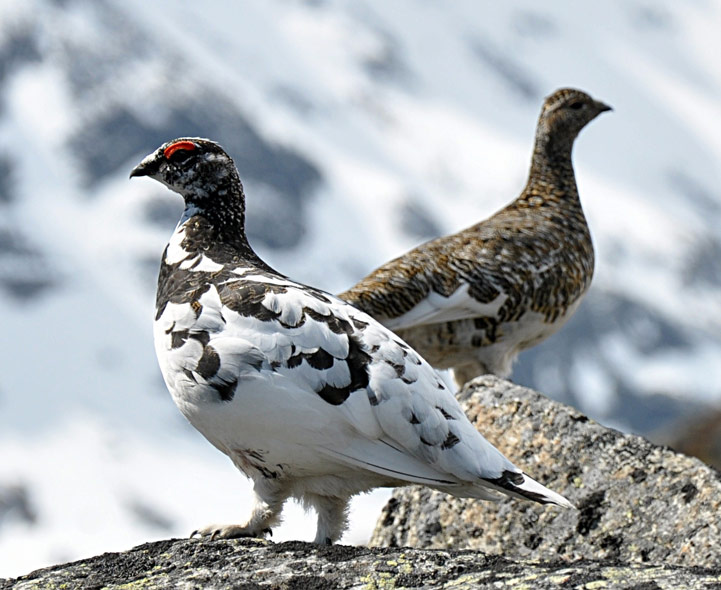
Photograph courtesy of Jan Frode Haugseth
Common Pheasant
Western Capercaillie
Ptarmigan
Red-legged Partridge
- Group: Grouse
- Binomial: Lagopus muta
- Order: Anatidae
- Family: Tetraonidae
- Status: Resident Breeding Species
- In summer, is a mixture of grey, brown and black above with white belly and wings.
- In winter, it becomes totally white except for its tail and eye-patch, which remain black.
2 .
What is the name of this bird?
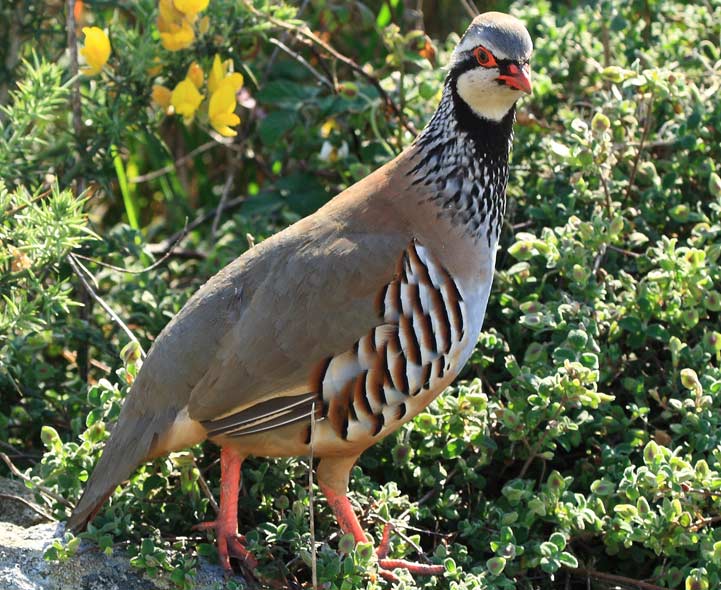
Photograph courtesy of Arturo Nikolai
Grey Partridge
Red Grouse
Red-legged Partridge
Golden Pheasant
- Group: Pheasants, Partridges and Quail
- Binomial: Alectoris rufa
- Order: Galliformes
- Family: Phasianidae
- Status: Resident Introduced Population
- It is an introduced species, brought to the UK from continental Europe, where it is largely found in France and Spain.
- Usually seen in groups in open fields.
- When disturbed, it prefers to run rather than fly.
3 .
What is the name of this bird?
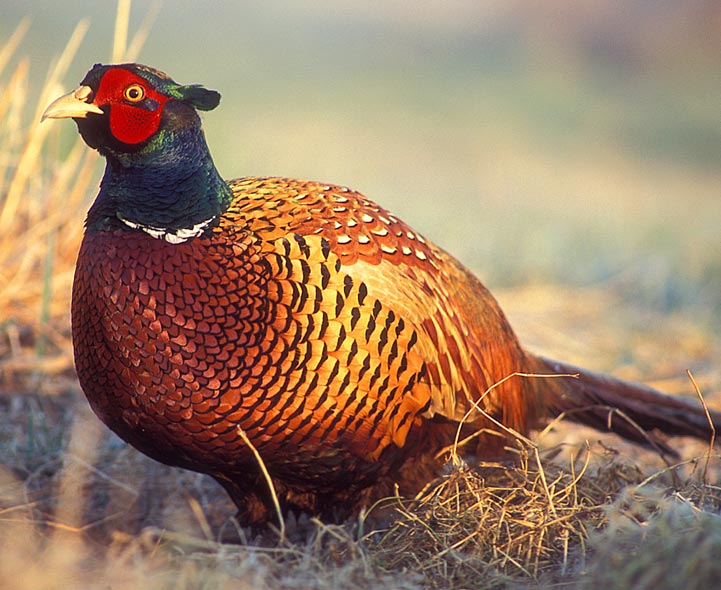
Photograph courtesy of Lukasz Lukasik
Grey Partridge
Red Grouse
Common Pheasant
Golden Pheasant
- Group: Pheasants, Partridges and Quail
- Binomial: Phasianus colchicus
- Order: Galliformes
- Family: Phasianidae
- Status: Resident Introduced Population
- The bird was naturalized in Great Britain around the 10th century AD.
- Around 30 million birds are released each year on shooting estates.
- Usually seen in the open countryside near woodland edges and copses.
4 .
What is the name of this bird?
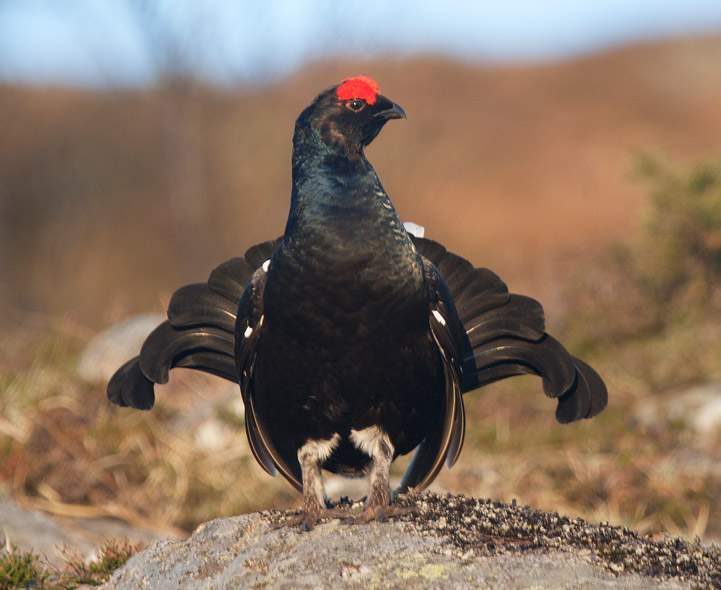
Photograph courtesy of Aconcagua
Black Grouse
Grey Partridge
Western Capercaillie
Golden Pheasant
- Group: Grouse
- Binomial: Tetrao tetrix
- Order: Anatidae
- Family: Tetraonidae
- Status: Resident Breeding Species
- They have a very distinctive and well recorded courtship ritual. At dawn in the spring, the males strut around in a traditional area and display whilst making a highly distinctive mating call.
- This process is called a lek.
5 .
What is the name of this bird?
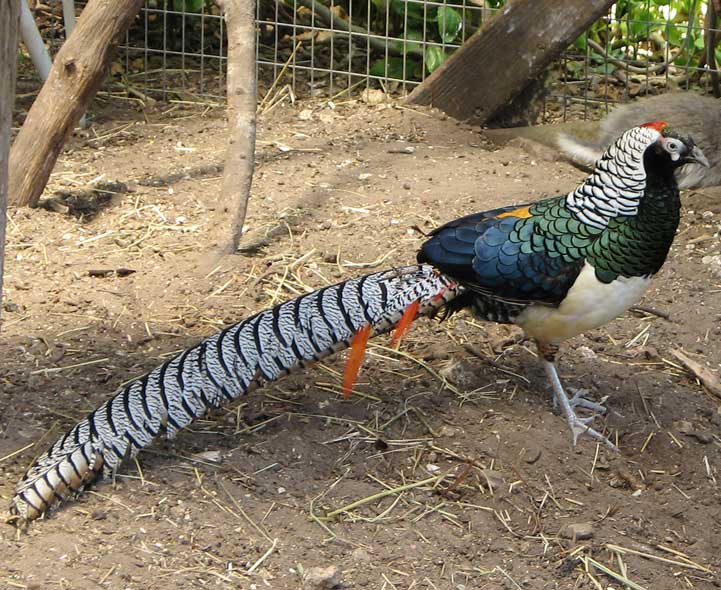
Photograph courtesy of Gabriel Kamener
Western Capercaillie
Ptarmigan
Lady Amherst's Pheasant
Red-legged Partridge
- Group: Pheasants, Partridges and Quail
- Binomial: Chrysolophus amherstiae
- Order: Galliformes
- Family: Phasianidae
- Status: Resident Introduced Population
- These are native to south western China and Myanmar, but have been introduced in England and have established a self-supporting, but now declining, feral population in Bedfordshire.
6 .
What is the name of this bird?
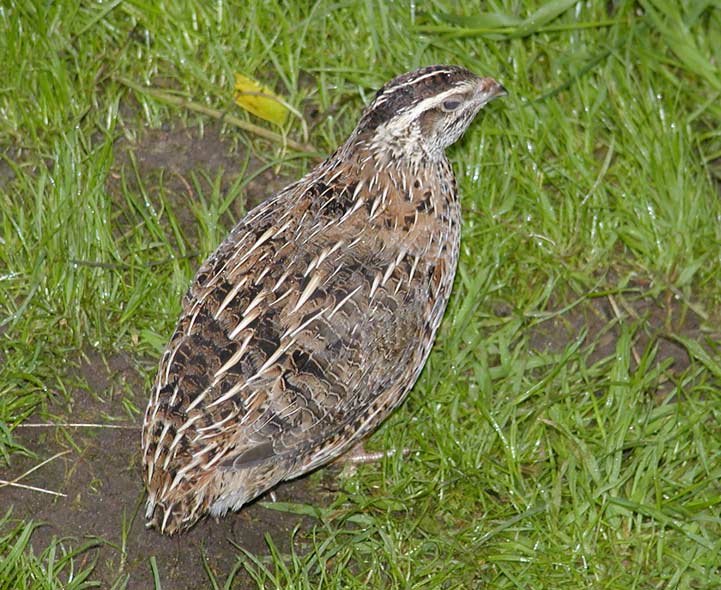
Photograph courtesy of Guerin Nicolas
Golden Pheasant
Common Pheasant
Red Grouse
Common Quail
- Group: Pheasants, Partridges and Quail
- Binomial: Coturnix coturnix
- Order: Galliformes
- Family: Phasianidae
- Status: Breeding Summer Visitor
- Rarely seen it is more usually heard giving its distinctive 'wet-my lips' call.
- It is the UK's only migrant gamebird, reaching the northern fringes of its breeding range here.
- Eats seeds and insects.
7 .
What is the name of this bird?
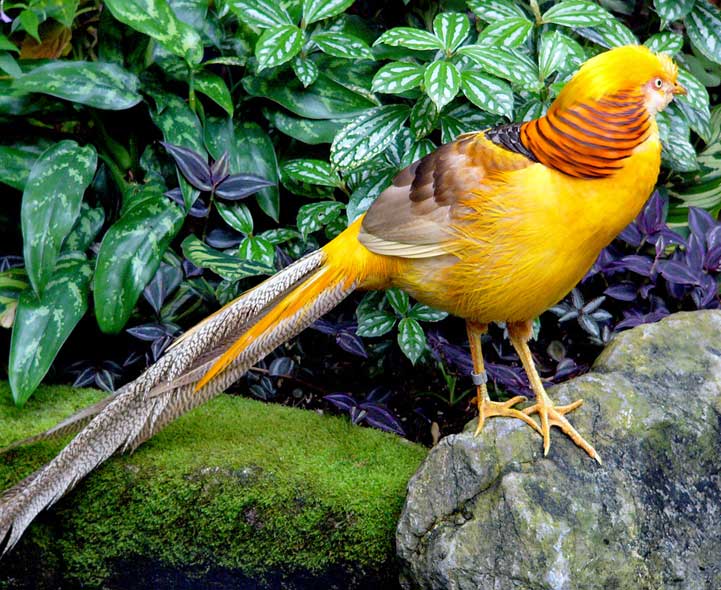
Photograph courtesy of Philippe Giabbanelli
Common Pheasant
Lady Amherst's Pheasant
Western Capercaillie
Golden Pheasant
- Group: Pheasants, Partridges and Quail
- Binomial: Chrysolophus pictus
- Order: Galliformes
- Family: Phasianidae
- Status: Resident Introduced Population
- The male is very brightly coloured with a yellow crown, red underparts and long finely barred tail.
- It is a shy bird, keeping to dark, dense woodland.
- Roosts in trees at night.
8 .
What is the name of this bird?
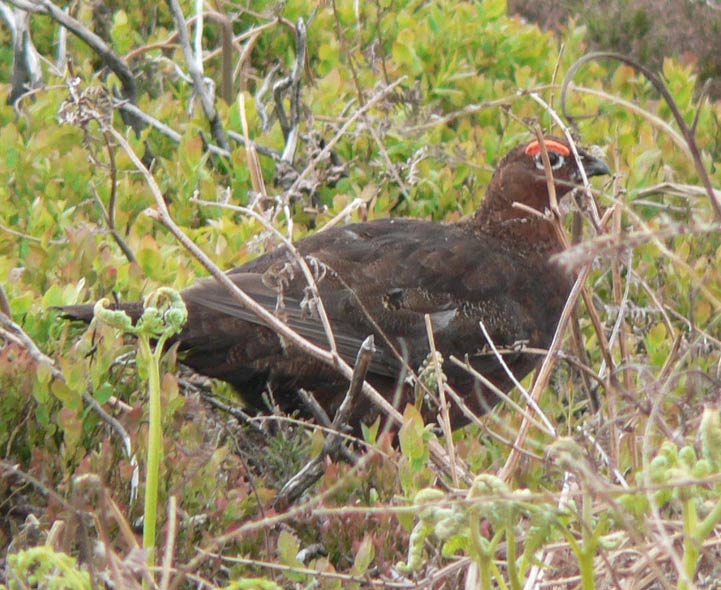
Photograph courtesy of Lostajy
Black Grouse
Red Grouse
Common Quail
Western Capercaillie
- Group: Grouse
- Binomial: Lagopus lagopus
- Order: Anatidae
- Family: Tetraonidae
- Status: Resident Breeding Species
- They were the subject of some of the earliest studies of population biology in birds.
- It is widely known as the logo of a Scottish whisky and an animated bird is a character in a series of its adverts.
9 .
What is the name of this bird?

Photograph courtesy of http://www.marekszczepanek.pl/
Grey Partridge
Ptarmigan
Common Quail
Common Pheasant
- Group: Pheasants, Partridges and Quail
- Binomial: Perdix perdix
- Order: Galliformes
- Family: Phasianidae
- Status: Resident Breeder And Introduction
- A medium-sized, plump gamebird.
- Flies with whirring wings and occasional glides, showing a chestnut tail.
- It is strictly a ground bird, never likely to be found in pear trees!
10 .
What is the name of this bird?
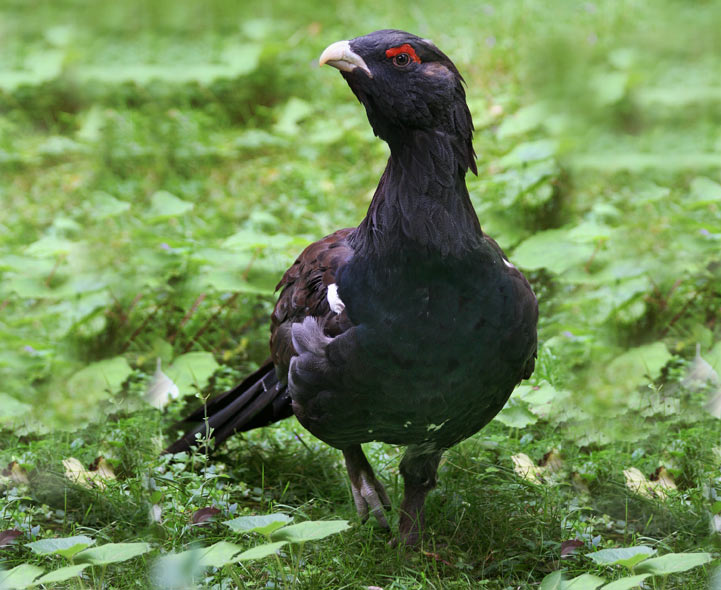
Photograph courtesy of Richard Bartz
Common Quail
Red Grouse
Black Grouse
Western Capercaillie
- Group: Grouse
- Binomial: Tetrao urogallus
- Order: Anatidae
- Family: Tetraonidae
- Status: Resident Reintroduced Population
- This species' name is derived from Gaelic meaning 'horse of the woods'.
- Their toe rows of small, elongated horn tacks provide a snowshoe effect.
- They make clear tracks in the snow.



**Unlimited Quizzes Await You! 🚀**
Hey there, quiz champ! 🌟 You've already tackled today's free questions.
Ready for more?
Ready for more?
🔓 Unlock UNLIMITED Quizzes and challenge yourself every day. But that's
not all...
not all...
🔥 As a Subscriber you can join our thrilling "Daily Streak" against other
quizzers. Try to win a coveted spot on our Hall of Fame Page.
quizzers. Try to win a coveted spot on our Hall of Fame Page.
Don't miss out! Join us now and keep the fun rolling. 🎉
**Unlimited Quizzes Await You! 🚀**
Hey there, quiz champ! 🌟 You've already tackled today's free questions. Ready for more?
🔓 Unlock UNLIMITED Quizzes and challenge yourself every day. But that's not all...
🔥 As a Subscriber you can join our thrilling "Daily Streak" against other quizzers. Try to win a coveted spot on our Hall of Fame Page.
Don't miss out! Join us now and keep the fun rolling. 🎉




© Copyright 2016-2026 - Education Quizzes
Work Innovate Ltd - Design | Development |
Marketing
