




Ask the AI Tutor
Need help with British Birds - Thrushes? Ask our AI Tutor!
AI Tutor - Lucy
Connecting with Tutor...
Please wait while we establish connection
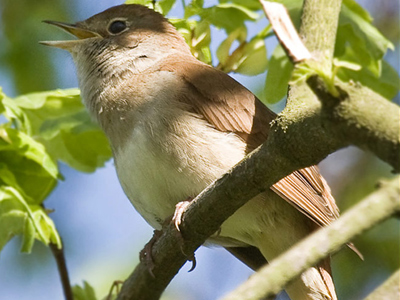
Its song is loud, with an impressive range of whistles, trills and gurgles but do you recognise it?
British Birds - Thrushes
Thrushes are brilliant singers and clever feeders, from lawns to woodland. Explore how to recognise common British thrushes by song, spots and behaviour.
To see a larger image, click on the picture.
1 .
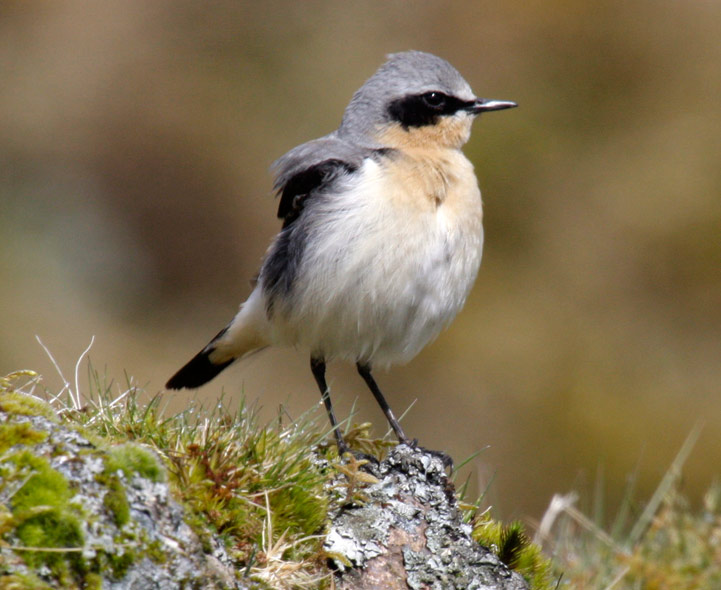
What is the name of this bird?
Photograph courtesy of Tom Tarrant (Aviceda)
Nightingale
Northern Wheatear
Blackbird
European Stonechat
- Group: Thrushes
- Binomial: Oenanthe oenanthe
- Order: Passeriformes
- Family: Turdidae
- Status: Breeding Summer Visitor & Passage Migrant
- It hops or runs on the ground.
- It is blue-grey above with black wings and white below with an orange flush to the breast.
- It has a black cheek.
2 .
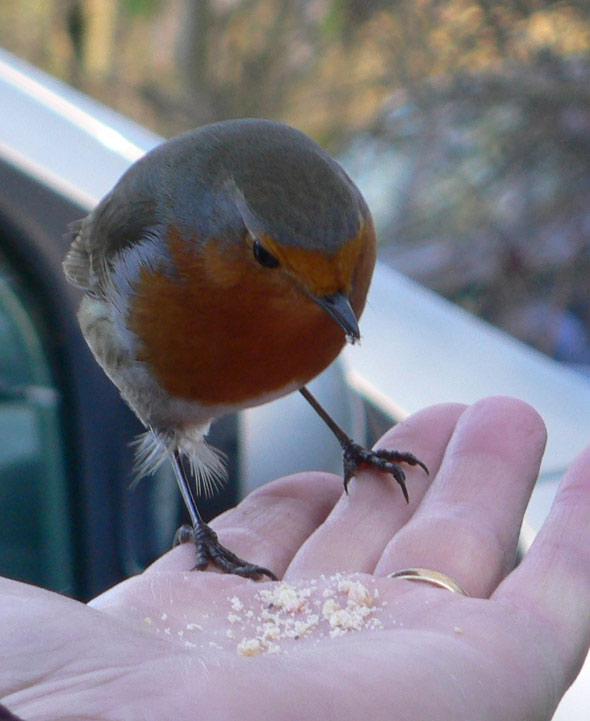
What is the name of this bird?
Photograph courtesy of Jimfbleak
European Robin
European Stonechat
Song Thrush
Fieldfare
- Group: Thrushes
- Binomial: Erithacus rubecula
- Order: Passeriformes
- Family: Turdidae
- Status: Resident Breeding Species
- Males and females are identical but youngsters are a speckled brown with no red feathers
- Fiercely territorial
- They have an excellent voice and sometimes sing at night to streetlights
3 .
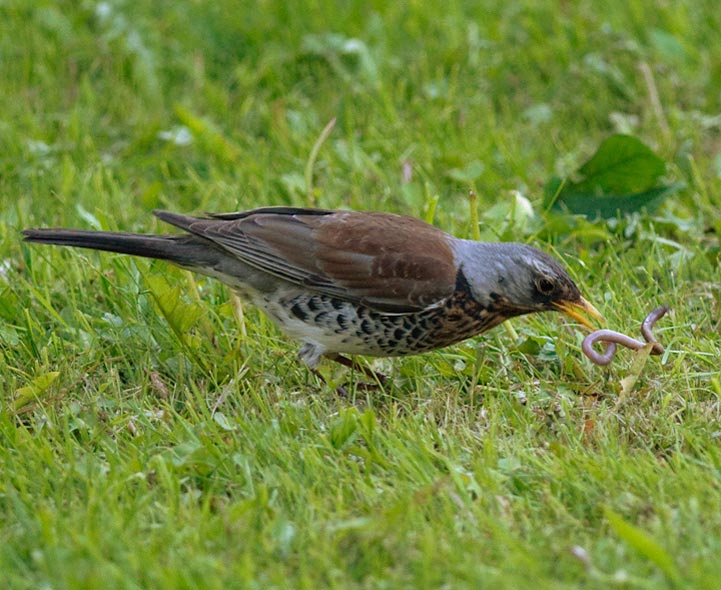
What is the name of this bird?
Photograph courtesy of Kosmonaut42
Fieldfare
Mistle Thrush
Common Redstart
European Robin
- Group: Thrushes
- Binomial: Turdus pilaris
- Order: Passeriformes
- Family: Turdidae
- Status: Winter Visitor
- They stand very upright and move forward with purposeful hops.
- Very social birds, spending the winter in flocks of anything from a dozen or two to several hundred strong.
- Diet is insects, worms and berries.
4 .
What is the name of this bird?
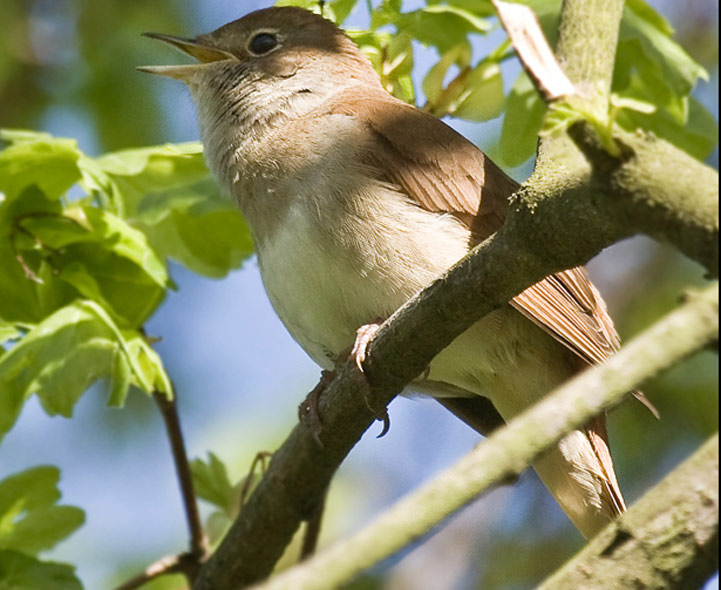
Photograph courtesy of J Dietrich
Redwing
Nightingale
European Stonechat
Song Thrush
- Group: Thrushes
- Binomial: Luscinia megarhynchos
- Order: Passeriformes
- Family: Turdidae
- Status: Breeding Summer Visitor
- They frequently sing at night as well as during the day.
- Early writers assumed the female sang when it is in fact the male.
- The song is loud, with an impressive range of whistles, trills and gurgles.
5 .
What is the name of this bird?
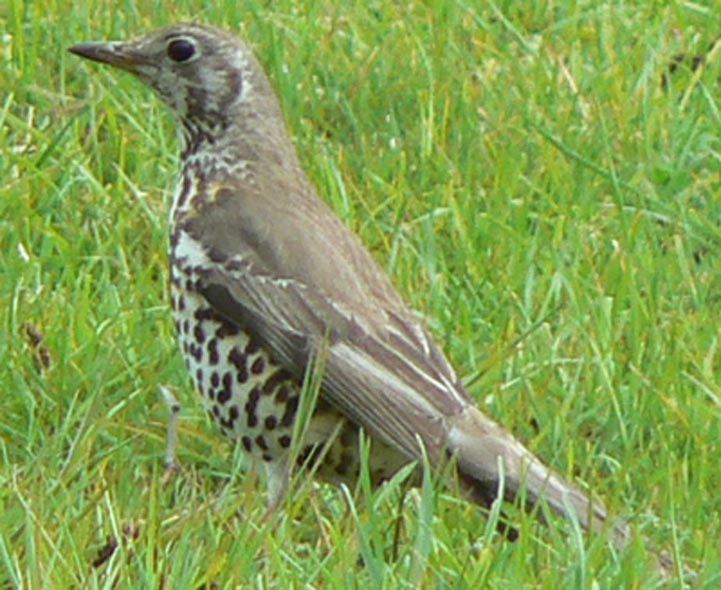
Photograph courtesy of Neil Phillips
European Robin
Blackbird
Common Redstart
Mistle Thrush
- Group: Thrushes
- Binomial: Turdus viscivorus
- Order: Passeriformes
- Family: Turdidae
- Status: Resident Breeding Species
- The alarm call is like a football rattle or machine gun.
- Their dreamy song is loud and far reaching and often heard during stormy weather, hence its alternative name of Stormcock.
6 .
What is the name of this bird?
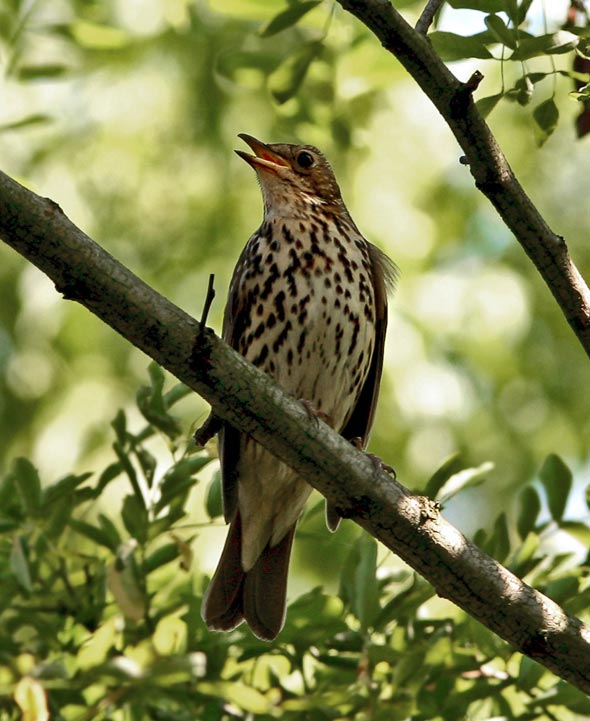
Photograph courtesy of Taco Meeuwsen
Blackbird
Northern Wheatear
European Stonechat
Song Thrush
- Group: Thrushes
- Binomial: Turdus philomelos
- Order: Passeriformes
- Family: Turdidae
- Status: Resident Breeding Species
- Easily confused with young and female Blackbirds
- Does not stand as upright at Blackbirds and Mistle Thrushes
- Has warm brown upper parts and paler underparts with small dark spots
7 .
What is the name of this bird?
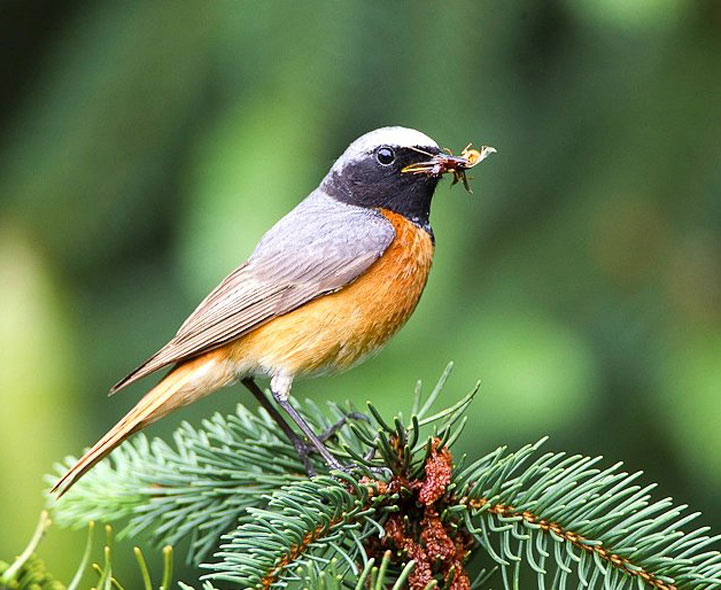
Photograph courtesy of Fveronesi1
Song Thrush
European Stonechat
Northern Wheatear
Common Redstart
- Group: Thrushes
- Binomial: Phoenicurus phoenicurus
- Order: Passeriformes
- Family: Turdidae
- Status: Breeding Summer Visitor
- They prefer open mature birch and oak woodland with a high horizontal visibility and low amounts of shrub and understorey especially where the trees are old enough to have holes suitable for its nest.
8 .
What is the name of this bird?
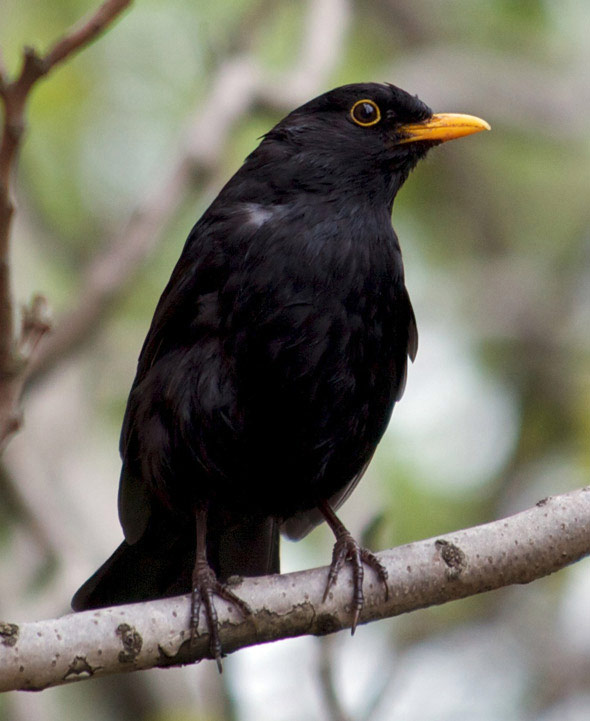
Photograph courtesy of Pete Birkinshaw
Song Thrush
European Stonechat
Blackbird
Fieldfare
- Group: Thrushes
- Binomial: Turdus merula
- Order: Passeriformes
- Family: Turdidae
- Status: Resident Breeding Species
- Mature males are glossy black but females and young are a lighter reddish-brown
- Albinism leads to the contradictory terminology of "White Blackbirds" but birds are seldom completely white
9 .
What is the name of this bird?
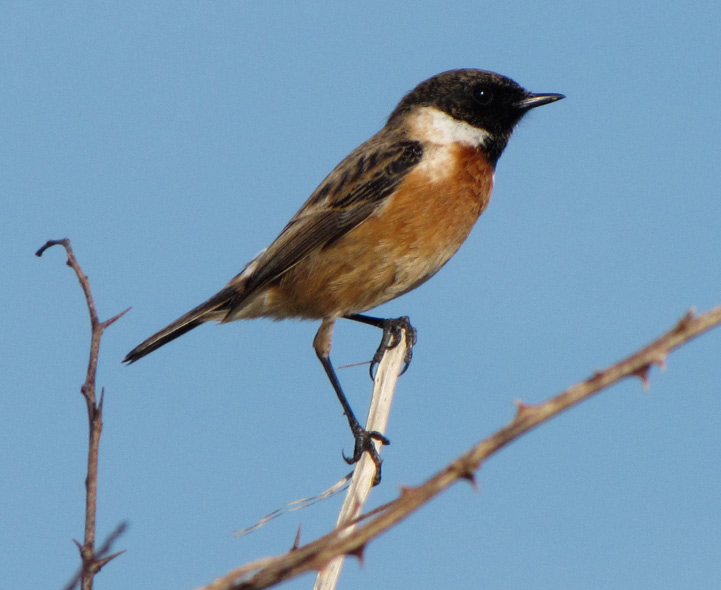
Photograph courtesy of Amurfalcon
Blackbird
European Stonechat
Common Redstart
Nightingale
- Group: Thrushes
- Binomial: Saxicola rubicola
- Order: Passeriformes
- Family: Turdidae
- Status: Resident Breeding Species
- Birds are frequently seen flicking their wings while perched, often doing so on the tops of low bushes.
- Both sexes have a clicking call like stones knocking together.
- The male's song is high and twittering.
10 .
What is the name of this bird?
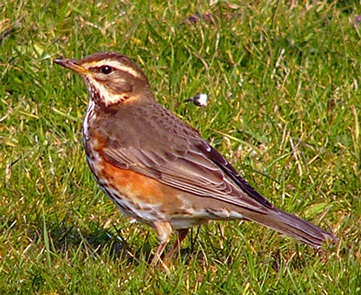
Photograph courtesy of http://photo-natur.de/
Mistle Thrush
Redwing
European Robin
Northern Wheatear
- Group: Thrushes
- Binomial: Turdus iliacus
- Order: Passeriformes
- Family: Turdidae
- Status: Winter Visitor
- They roam across the UK's countryside, feeding in fields and hedgerows.
- Rarely visit gardens, except in the coldest weather when snow covers the fields.
- Only a few pairs nest in the UK.



**Unlimited Quizzes Await You! 🚀**
Hey there, quiz champ! 🌟 You've already tackled today's free questions.
Ready for more?
Ready for more?
🔓 Unlock UNLIMITED Quizzes and challenge yourself every day. But that's
not all...
not all...
🔥 As a Subscriber you can join our thrilling "Daily Streak" against other
quizzers. Try to win a coveted spot on our Hall of Fame Page.
quizzers. Try to win a coveted spot on our Hall of Fame Page.
Don't miss out! Join us now and keep the fun rolling. 🎉
**Unlimited Quizzes Await You! 🚀**
Hey there, quiz champ! 🌟 You've already tackled today's free questions. Ready for more?
🔓 Unlock UNLIMITED Quizzes and challenge yourself every day. But that's not all...
🔥 As a Subscriber you can join our thrilling "Daily Streak" against other quizzers. Try to win a coveted spot on our Hall of Fame Page.
Don't miss out! Join us now and keep the fun rolling. 🎉




© Copyright 2016-2026 - Education Quizzes
Work Innovate Ltd - Design | Development |
Marketing
