




Ask the AI Tutor
Need help with Insects and Spiders - Insects 1? Ask our AI Tutor!
AI Tutor - Lucy
Connecting with Tutor...
Please wait while we establish connection
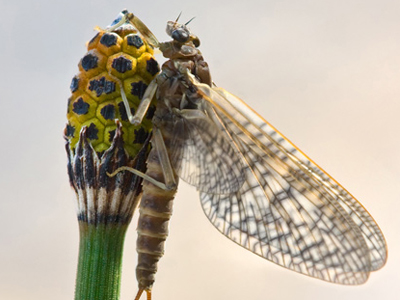
Can you identify it?
Insects and Spiders - Insects 1
Insects are the most diverse animal group on Earth, and they fill vital roles in habitats. Explore how to recognise insects, where they live, and how their bodies are built.
To see a larger image, click on the picture.
1 .
Can you name this insect?
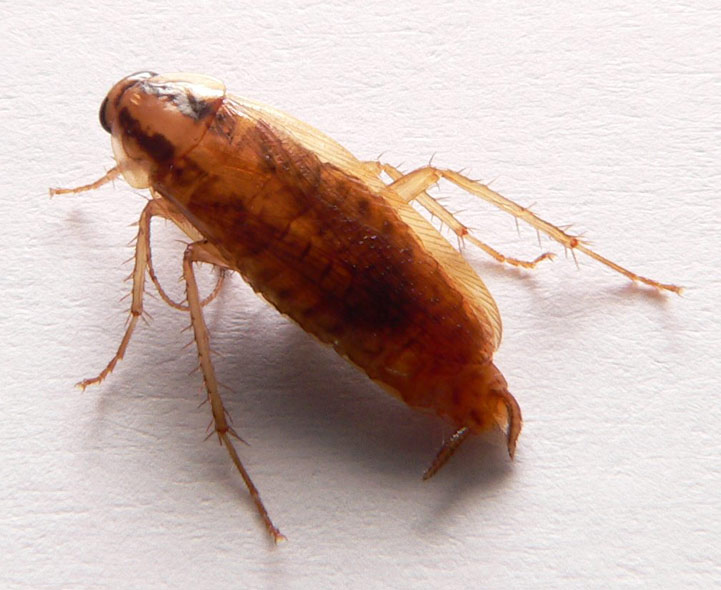
Photograph courtesy of David Monniaux
Common earwig
Common Hawker
German cockroach
Ladybird
- Order: Blattodea
- Family: Blattellidae
- Genus: Blattella
- Species: B. germanica
- This species is not native to Britain, but was accidentally introduced.
- Can be a pest if they invade buildings.
- Is mostly active during night time.
- This insect will emit an unpleasant smell if frightened.
2 .
Can you name this insect?
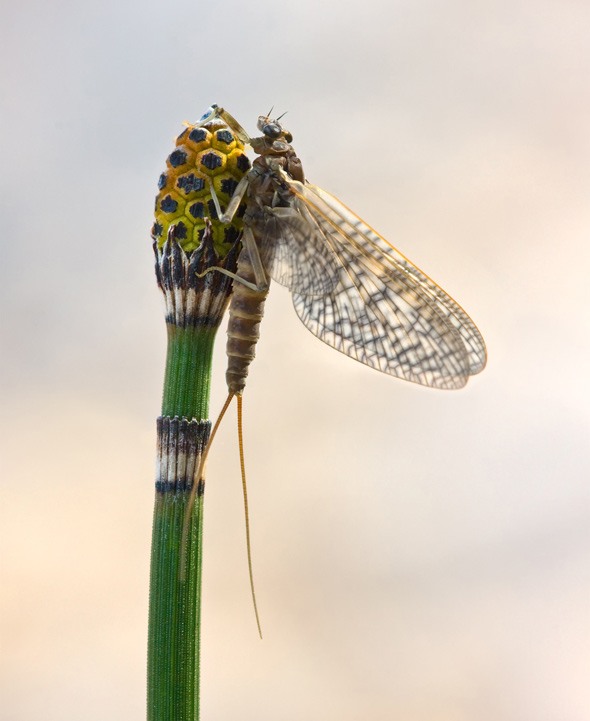
Photograph courtesy of Richard Bartz
March brown mayfly
Field Cricket
Hawthorn shield bug
Beautiful Demoiselle
- Order: Ephemeroptera
- Family: Heptageniidae
- Genus: Rhithrogena
- Species: R. germanica
- Unusually for the type, this species emerges as adults at the tail end of winter.
- Sacred to anglers and has been copied by them to help catch fish for over 500 years!
- Sadly, this species is declining across Europe.
3 .
Can you name this insect?
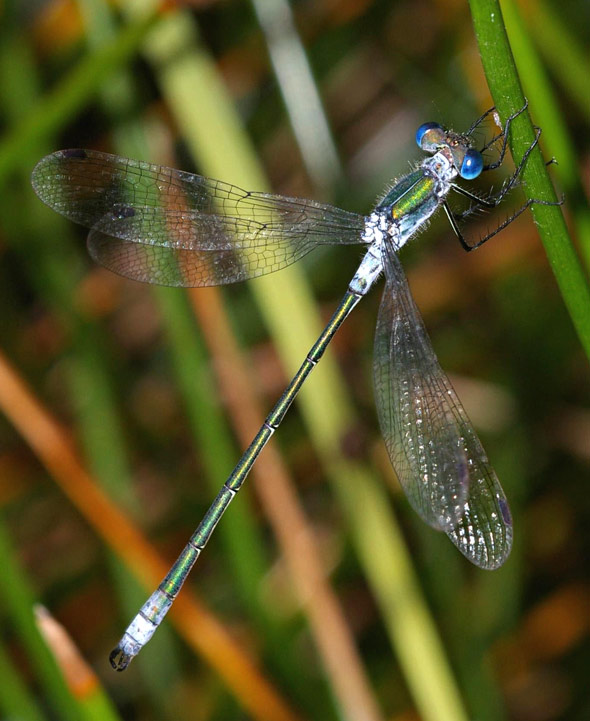
Photograph courtesy of Christian Fischer
Ivy bee
Beautiful Demoiselle
Pale giant horse-fly
Emerald Damselfly
- Order: Odonata
- Family: Lestidae
- Genus: Lestes
- Species: L. sponsa
- Widespread and common throughout Britain.
- Can be spotted on dark, rainy days.
- When this species is at rest, the wings are partly spread.
- Normally seen near non-flowing water, such as lakes and ponds.
4 .
Can you name this insect?
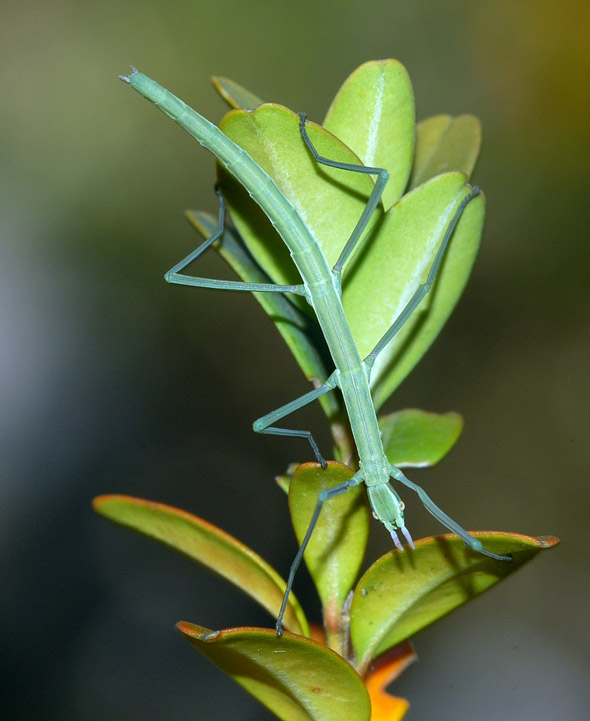
Photograph courtesy of Fritz Geller-Grimm
Cepero's groundhopper
Stick insect
Lesser water boatman
Yellow meadow ant
- Class: Insecta
- Superorder: Exopterygota
- Order: Phasmatodea
- Not native to this country.
- However, this species has become naturalised in the last 100 years.
- Their locality is restricted to south west England.
- Can easily be mistaken for a small branch or twig.
5 .
Can you name this insect?
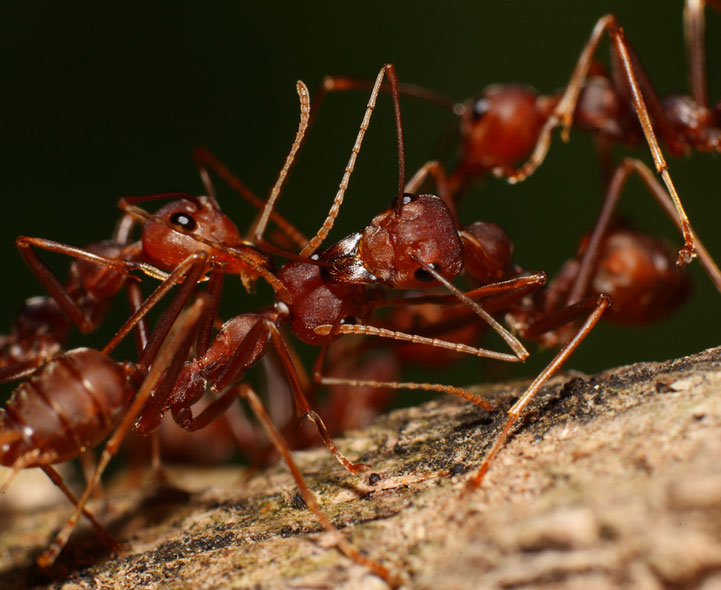
Photograph courtesy of Christopher Harriot
Red ant
Carpenter ant
European honey bee
Erratic ant
- Order: Hymenoptera
- Family: Formicidae
- Genus: Solenopsis
- A common and widespread insect.
- Colonies of up to 300 can be found under stones or paving in the garden.
- They will sting and this can be quite painful.
- The species prefer sweeter foodstuffs, such as nectar or honeydew.
- In late summer males and future queens develop wings in order to mate.
6 .
Can you name this insect?

Photograph courtesy of Roberto Zanon
Golden ground beetle
Field Cricket
Forest bug
Rhinoceros beetle
- Order: Orthoptera
- Family: Gryllidae
- Genus: Gryllus
- Species: Gryllus campestris
- One of the rarest insects in the British Isles.
- Restricted to the south of England.
- Males sing at the entrance to their burrows in order to attract a mate.
- Requires short grass and sandy or chalk soil suitable for burrowing.
7 .
Can you name this insect?
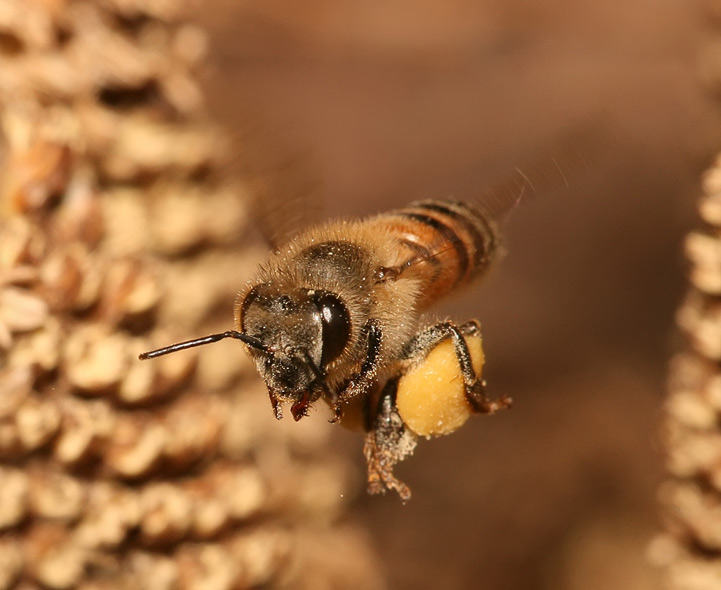
Photograph courtesy of http://www.micro2macro.net/
European honey bee
German cockroach
March brown mayfly
Lesser earwig
- Order: Hymenoptera
- Family: Apidae
- Genus: Apis
- Species: A. mellifera
- This insect directs members of its colony to food by 'dancing'.
- The movements tell them the location and direction of the food.
- Survival of this species has faced severe threats recently.
- Royal jelly is a product of this bee and is used as a health benefit.
8 .
Can you name this insect?
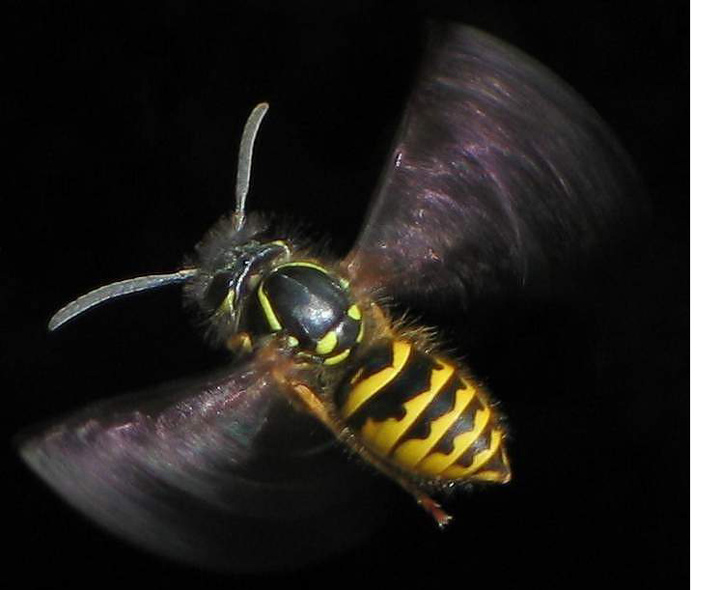
Photograph courtesy of Soebe
European wasp
Common wasp
Hoverfly
Garden bumblebee
- Order: Hymenoptera
- Family: Vespidae
- Genus: Vespula
- Species: V. vulgaris
- The nest is made up of combs of hexagonal paper cells.
- All the workers are female.
- Eats flies, aphids and caterpillars, helping control the insect population.
- Known as 'jaspers' in some areas of the country.
9 .
Can you name this insect?
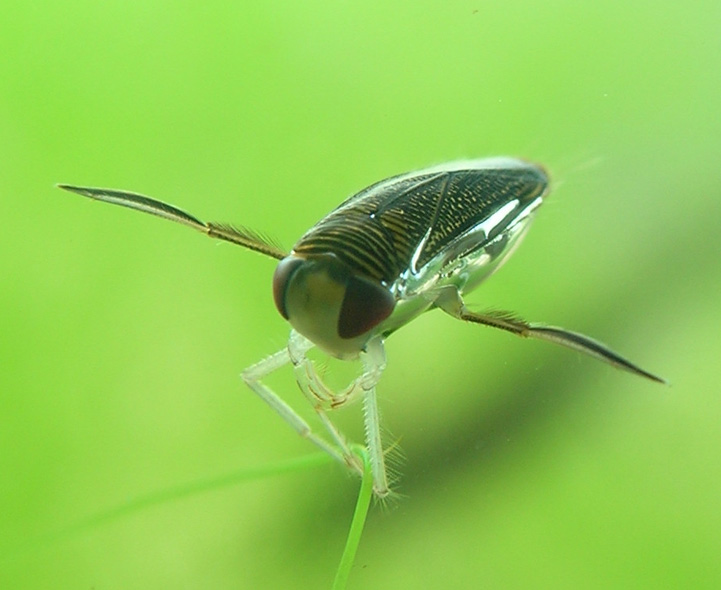
Photograph courtesy of Piet Spaans
European wool carder bee
Stag beetle
Stick insect
Lesser water boatman
- Order: Hemiptera
- Family: Corixidae
- Genus: Corixa
- Species: C. punctata
- Very common in ponds and streams.
- This species has an unusual anatomy in that every pair of legs is modified in a completely different way.
- They swim on their fronts.
- In Mexico they are considered a delicacy, where they are harvested and eaten in large numbers!
10 .
Can you name this insect?
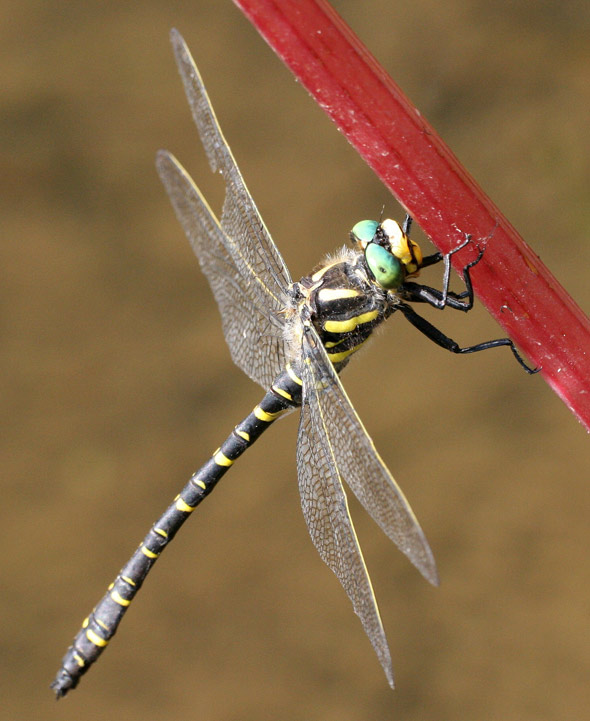
Photograph courtesy of Rosenzweig
Speckled bush-cricket
Common Hawker
Golden-ringed Dragonfly
Stag beetle
- Order: Odonata
- Family: Cordulegastridae
- Genus: Cordulegaster
- Species: C. boltonii
- This species is widespread across most of Britain but favours the north and west.
- Their wings are clear, while their big eyes are a bottle green colour.
- Strong, agile and rapid flyers.
- Fearsome predators - they are capable of taking large insects.



**Unlimited Quizzes Await You! 🚀**
Hey there, quiz champ! 🌟 You've already tackled today's free questions.
Ready for more?
Ready for more?
🔓 Unlock UNLIMITED Quizzes and challenge yourself every day. But that's
not all...
not all...
🔥 As a Subscriber you can join our thrilling "Daily Streak" against other
quizzers. Try to win a coveted spot on our Hall of Fame Page.
quizzers. Try to win a coveted spot on our Hall of Fame Page.
Don't miss out! Join us now and keep the fun rolling. 🎉
**Unlimited Quizzes Await You! 🚀**
Hey there, quiz champ! 🌟 You've already tackled today's free questions. Ready for more?
🔓 Unlock UNLIMITED Quizzes and challenge yourself every day. But that's not all...
🔥 As a Subscriber you can join our thrilling "Daily Streak" against other quizzers. Try to win a coveted spot on our Hall of Fame Page.
Don't miss out! Join us now and keep the fun rolling. 🎉




© Copyright 2016-2026 - Education Quizzes
Work Innovate Ltd - Design | Development |
Marketing
