




Ask the AI Tutor
Need help with Insects and Spiders - Insects 2? Ask our AI Tutor!
AI Tutor - Lucy
Connecting with Tutor...
Please wait while we establish connection
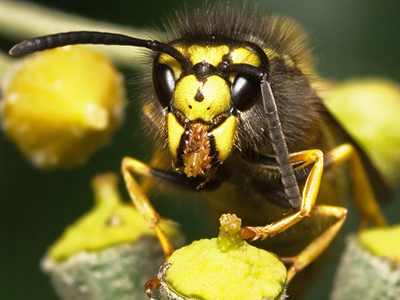
Do you know what it is?
Insects and Spiders - Insects 2
Some insects copy others for protection, and it can fool our eyes. Learn the quick clues that separate bees from hoverflies and other lookalikes.
To see a larger image, click on the picture.
1 .
What is the name of this insect?
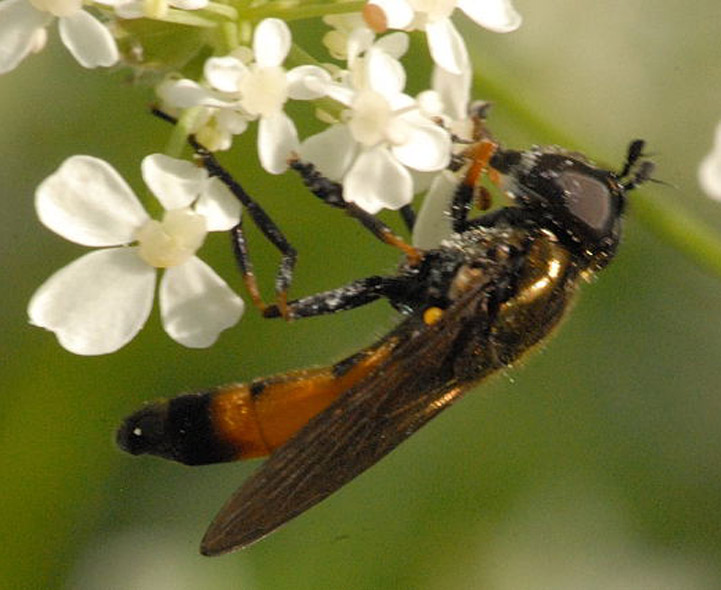
Photograph courtesy of www.commanster.eu/commanster
Lesser water boatman
March brown mayfly
Hoverfly
Ivy bee
- Order: Diptera
- Family: Syrphidae
- Genus: Platycheirus
- Species: P. granditarsus
- The distribution of this species is widespread and common.
- Prefers wet meadows and the fringes of marshes, ponds and lakes.
- Adults fly around tall vegetation and occasionally settle on the stems.
- Partial to the flower Ranunculus.
2 .
What is the name of this insect?
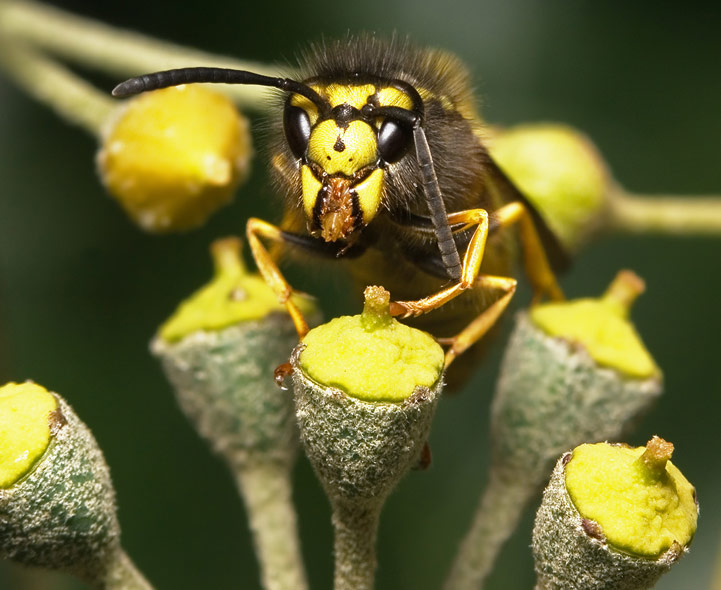
Photograph courtesy of JJ Harrison
Common Hawker
European wool carder bee
Common wasp
European wasp
- Order: Hymenoptera
- Genus: Vespula
- Species: V. germanica
- Is distinguished from the Common variety by three black dots on its face.
- They build colonies which includes one queen and numerous workers.
- The nest is made of chewed up plant fibres stuck together with saliva.
- Nests can contain up to 3,000 individuals!
3 .
What is the name of this insect?
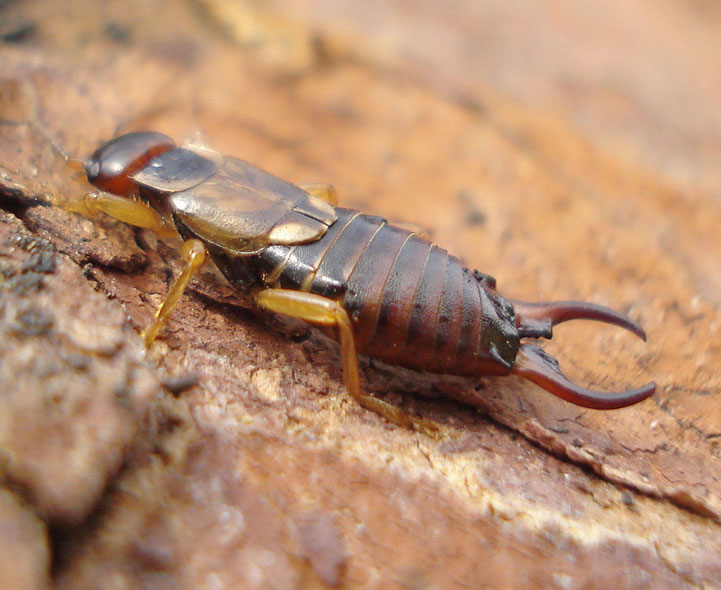
Photograph courtesy of Mick E. Talbot
Lesser earwig
German cockroach
Common earwig
Erratic ant
- Order: Dermaptera
- Family: Forficulidae
- Genus: Forficula
- Species: F. auricularia
- A nocturnal insect that tends to hide during the day.
- They are not fussy when it comes to food - plant or animal will suffice!
- The adults of both male and female have a pincer-like 'tail'.
- Generally speaking, not well-liked by humans.
4 .
Insect repellents generally don't work on this alien-looking insect - the pale giant horse-fly. However, the fly is not too keen on what?
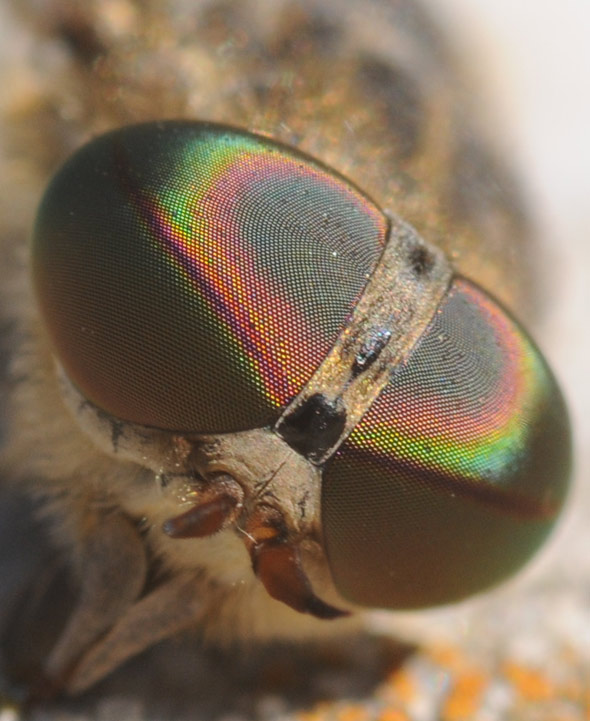
Photograph courtesy of Thomas Bresson
Garlic
Smoke
Wind chimes
Coffee
- Order: Diptera
- Family: Tabanidae
- Genus: Tabanus
- Species: T. bovinus
- A relatively large insect for its type.
- Adults are approximately 25-30 mm in length.
- More than capable of dodging the flyswatt with ease!
- They only fly on sunny days in hot weather.
5 .
What is the name of this insect?
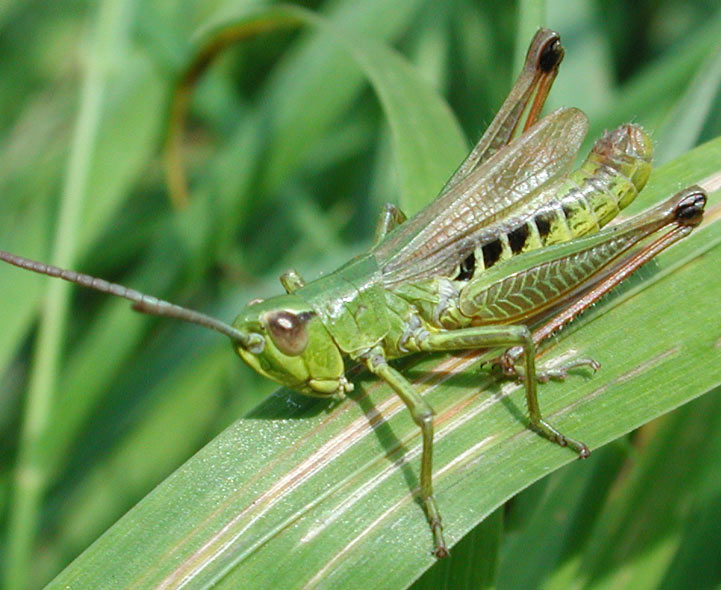
Photograph courtesy of G.-U. Tolkiehn
Emerald Damselfly
Cepero's groundhopper
Yellow meadow ant
Meadow Grasshopper
- Order: Orthoptera
- Family: Acrididae
- Subfamily: Gomphocerinae
- Genus: Chorthippus
- Species: C. parallelus
- This species is the only one of its type that can't fly.
- They have incredibly strong leg muscles in order to leap.
- The 'leap' is also a somersault.
- They are known for singing by rubbing their hind legs against their forewings.
6 .
What is the name of this insect?
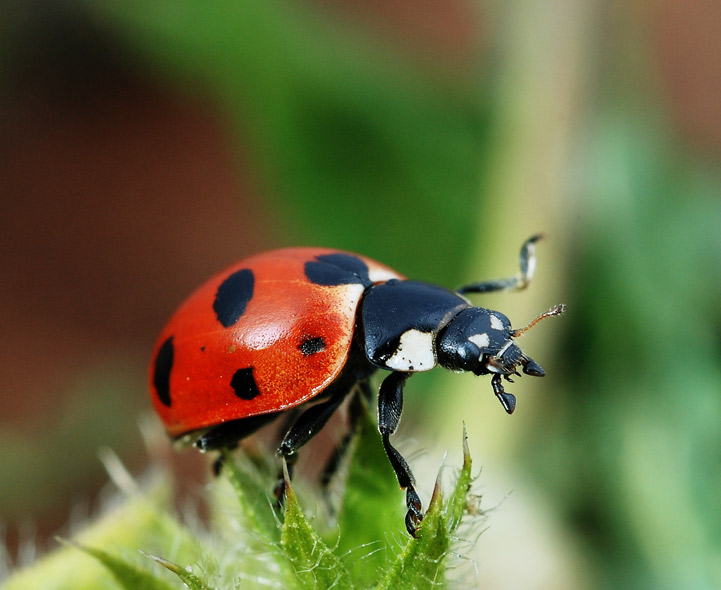
Photograph courtesy of Gilles San Martin
European honey bee
Red ant
Ladybird
Forest bug
- Order: Coleoptera
- Family: Coccinellidae
- One of our most-loved and cherished insects.
- Widespread throughout the UK and very common in gardens whether rural, suburban or urban.
- Welcomed by gardeners as they eat aphids, which are considered a pest.
- Used as a logo by a publishing company, famous for children's books.
7 .
What is the name of this insect?
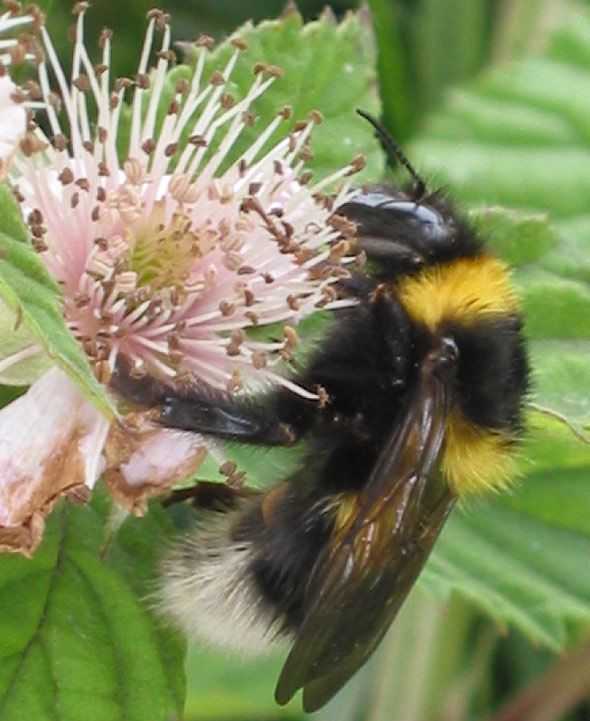
Photograph courtesy of Rasbak
Garden bumblebee
Stick insect
European honey bee
Lesser earwig
- Order: Hymenoptera
- Family: Apidae
- Genus: Bombus
- Species: B. hortorum
- A large furry insect and they tend to keep themselves to themselves.
- They can sting but only under prolonged provocation.
- Males have no sting.
- Some species are 'cuckoos' in that the female will take over an already established nest of another species.
8 .
What is the name of this insect?
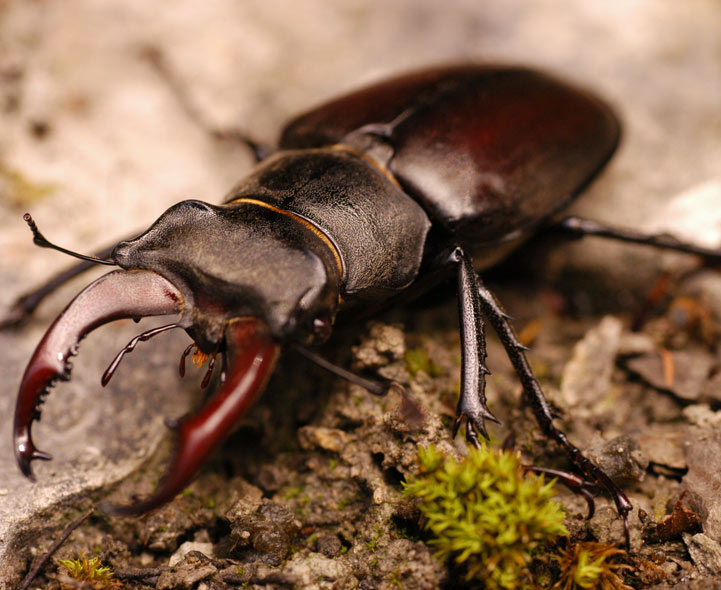
Photograph courtesy of Simon A. Eugster
Speckled bush-cricket
Stag beetle
Golden ground beetle
Rhinoceros beetle
- Order: Coleoptera
- Family: Lucanidae
- Genus: Lucanus
- Species: L. cervus
- A globablly threatened species, protected under the Wildlife and Countryside Act.
- Common in London, Thames Valley and Essex.
- It is Britain's largest terrestrial insect.
- Can be anything between 5-8 cms in length - and they can fly!
9 .
What is the name of this insect?
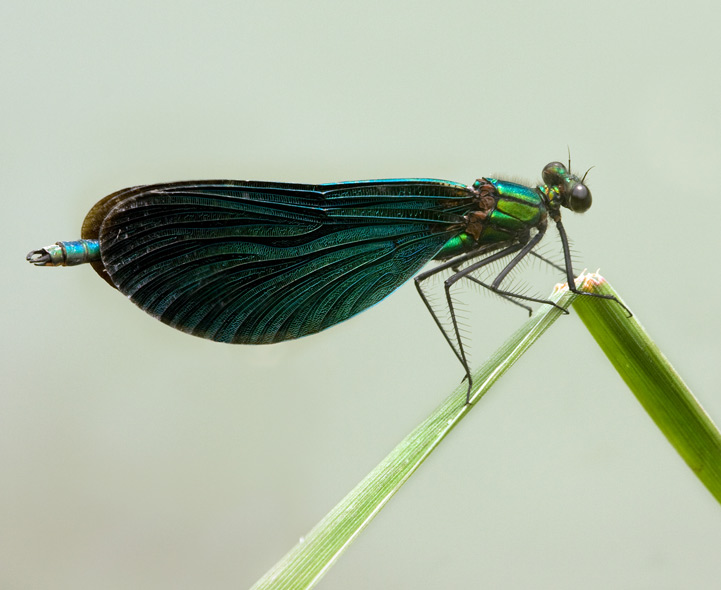
Photograph courtesy of Richard Bartz
Beautiful Demoiselle
German cockroach
Golden-ringed Dragonfly
Field Cricket
- Order: Odonata
- Family: Calopterygidae
- Genus: Calopteryx
- Species: C. virgo
- Males have purple-brown wings which become bluer as they get older.
- Lifespan is approximately two years.
- They prefer fast flowing streams and rivers.
- Females can lay up to 300 eggs at any one time.
10 .
What is the name of this insect?
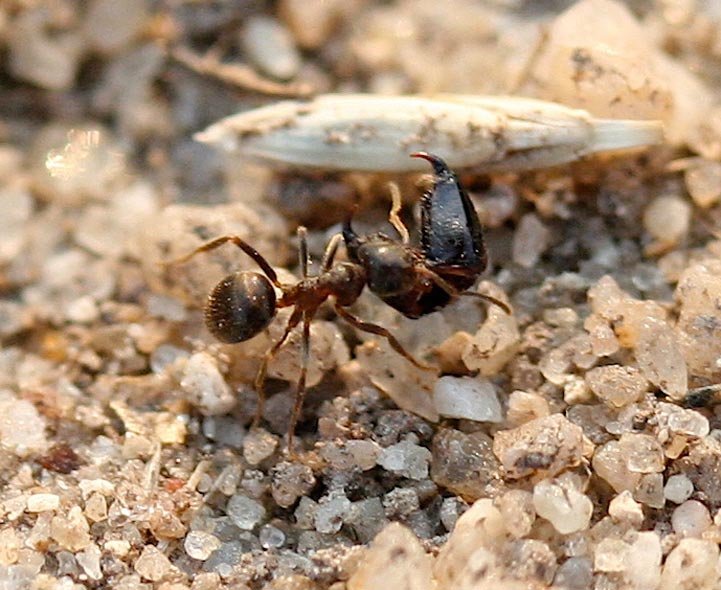
Photograph courtesy of IronChris
Black ant
Erratic ant
Red ant
Common wasp
- Order: Hymenoptera
- Family: Formicidae
- Genus: Lasius
- Species: L. niger
- The only species of its type regularly seen indoors.
- They are harmless to humans without sting or formic acid.
- Improve the soil by mixing it up and increasing its fertility.
- Big colonies can contain up to 15,000 workers.



**Unlimited Quizzes Await You! 🚀**
Hey there, quiz champ! 🌟 You've already tackled today's free questions.
Ready for more?
Ready for more?
🔓 Unlock UNLIMITED Quizzes and challenge yourself every day. But that's
not all...
not all...
🔥 As a Subscriber you can join our thrilling "Daily Streak" against other
quizzers. Try to win a coveted spot on our Hall of Fame Page.
quizzers. Try to win a coveted spot on our Hall of Fame Page.
Don't miss out! Join us now and keep the fun rolling. 🎉
**Unlimited Quizzes Await You! 🚀**
Hey there, quiz champ! 🌟 You've already tackled today's free questions. Ready for more?
🔓 Unlock UNLIMITED Quizzes and challenge yourself every day. But that's not all...
🔥 As a Subscriber you can join our thrilling "Daily Streak" against other quizzers. Try to win a coveted spot on our Hall of Fame Page.
Don't miss out! Join us now and keep the fun rolling. 🎉




© Copyright 2016-2026 - Education Quizzes
Work Innovate Ltd - Design | Development |
Marketing
