




Ask the AI Tutor
Need help with Insects and Spiders - Spiders? Ask our AI Tutor!
AI Tutor - Lucy
Connecting with Tutor...
Please wait while we establish connection
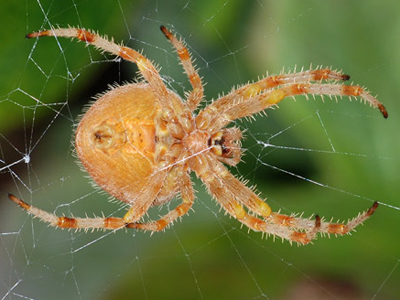
Can you tell what it is?
Insects and Spiders - Spiders
Spiders are expert hunters found in homes, gardens, and fields. Learn how to recognise common spider features, where they live, and the different webs they make.
To see a larger image, click on the picture.
1 .
Can you identify this spider?
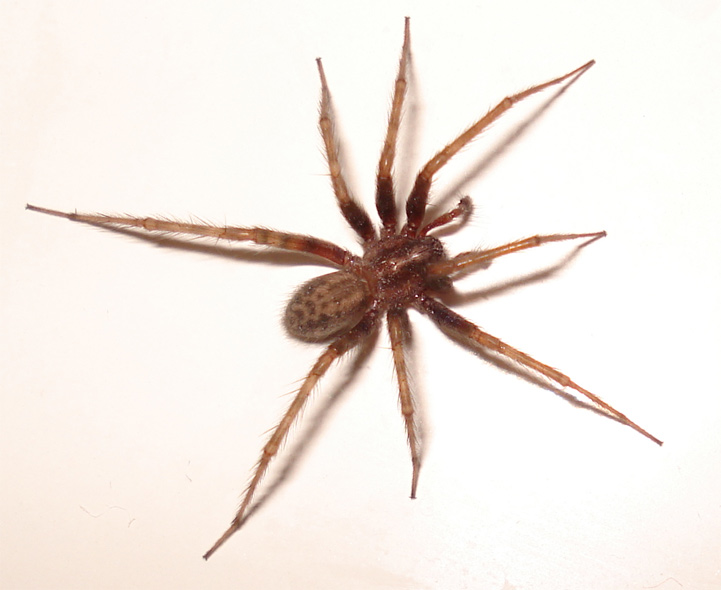
Photograph courtesy of Sanchom
Hobo spider
Zebra spider
Domestic house spider
Huntsman spider
- Order: Araneae
- Family: Agelenidae
- Genus: Tegenaria
- Species: T. domestica
- These are often seen in bathtubs or hurrying across the room.
- Mainly seen in autumn during their mating season.
- Can survive for several months without food or water.
- A long-legged species.
2 .
Can you identify this spider?
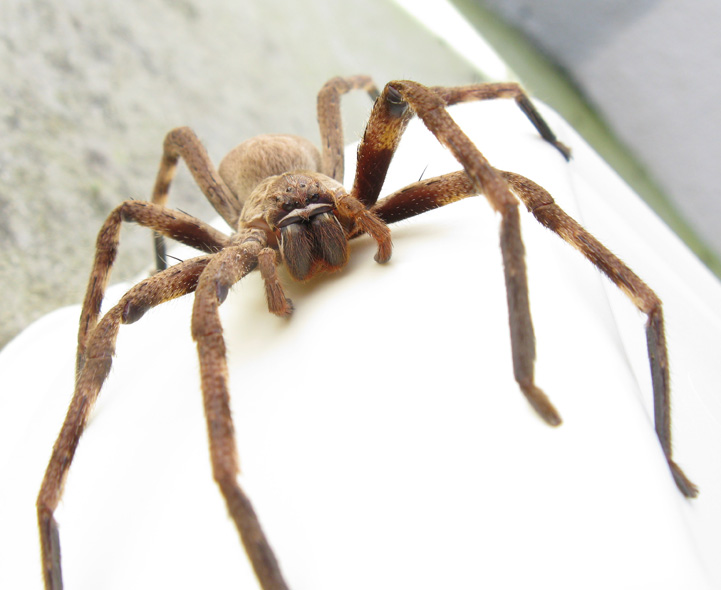
Photograph courtesy of JonRichfield
Huntsman spider
Sydney funnel-web spider
Great raft spider
European garden spider
- Order: Araneae
- Section: Entelegynae
- Superfamily: Sparassoidea
- Family: Sparassidae
- Found in almost all tropical regions of the world.
- A huge spider which can measure 15 cm from leg to leg!
- They do not build webs and catch their prey with speed.
- Generally not harmful to humans but will bite if provoked.
3 .
Can you identify this spider?
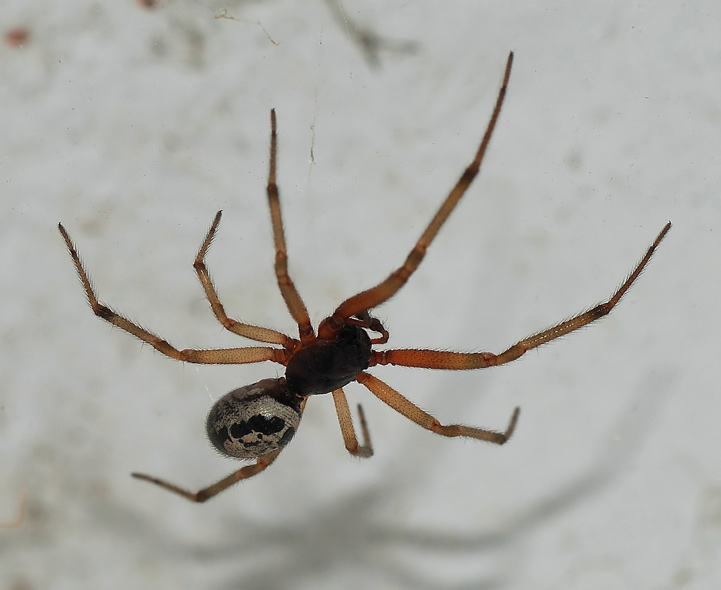
Photograph courtesy of Alvesgaspar
Great raft spider
False widow
European garden spider
Sydney funnel-web spider
- Order: Araneae
- Family: Theridiidae
- Genus: Steatoda
- Species: S. nobilis
- Normally located indoors or in outhouses.
- The web is rather untidy and irregular.
- First recorded in the UK back in 1879 and has been here ever since.
4 .
Can you identify this spider?
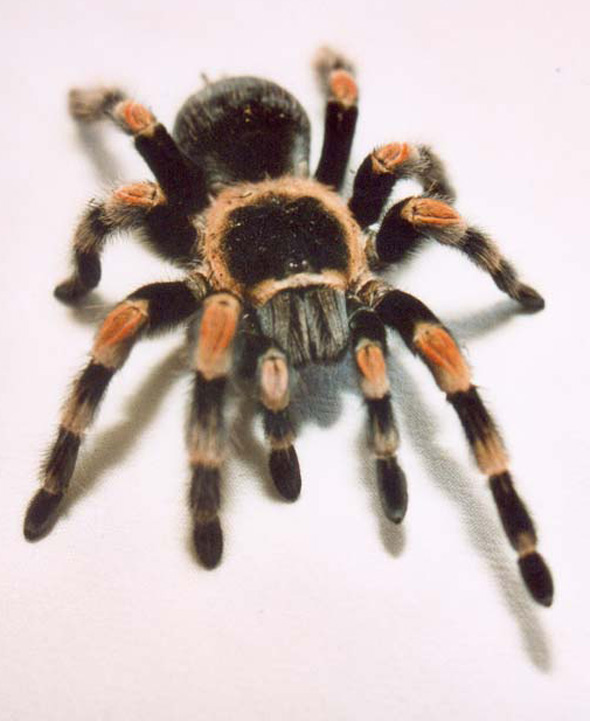
Photograph courtesy of Jurgen E Haug
Domestic house spider
Huntsman spider
Wasp spider
Mexican red-knee tarantula
- Order: Araneae
- Family: Theraphosidae
- Genus: Brachypelma
- Species: B. smithi
- One of the most popular spider pets.
- The species has been used in films as a frightener.
- Females can live up to 30 years - unusual in a spider.
- It is calm and gentle-natured, despite its appearance.
5 .
Can you identify this spider?
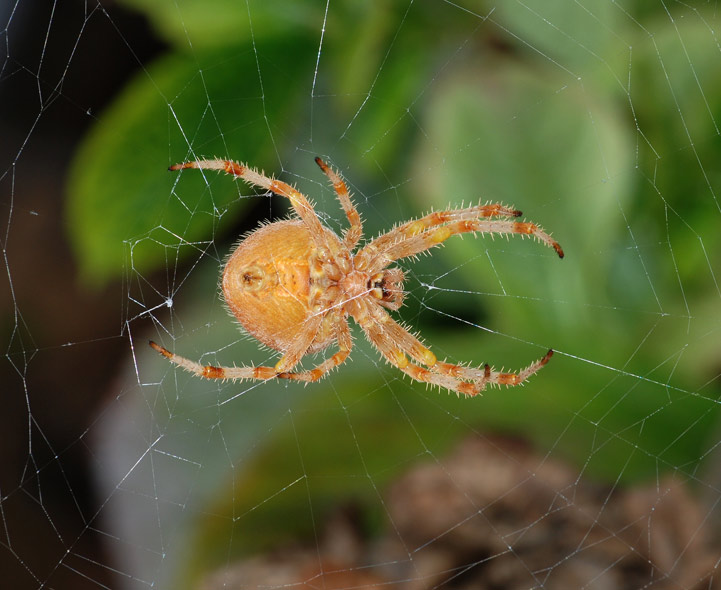
Photograph courtesy of Alvesgaspar
European garden spider
Giant house spider
Dewdrop spider
Skeleton tarantula
- Order: Araneae
- Family: Araneidae
- Genus: Araneus
- Species: A. diadematus
- Can be spotted mainly in the later months of September and October.
- Female tends to be upside-down in the centre of her circular web.
- They eat their webs at night and build a new one in the morning.
6 .
Can you identify this spider?
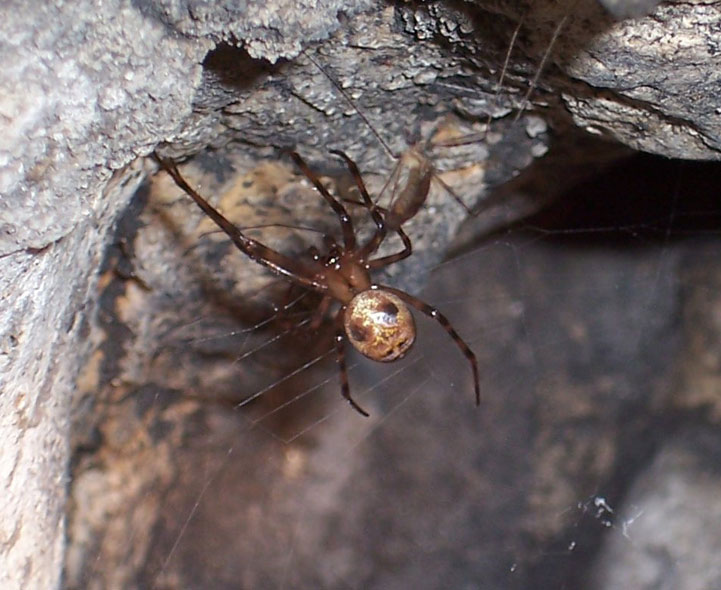
Photograph courtesy of oio154
Cave spider
Zebra spider
Hobo spider
Water spider
- Order: Araneae
- Family: Tetragnathidae
- Genus: Meta
- Species: M. menardi
- Their habitat is in dark places, such as cellars and tunnels.
- One of the largest UK spiders.
- The spiderlings are attracted to light unlike the adults which are repelled by light.
7 .
Can you identify this spider?
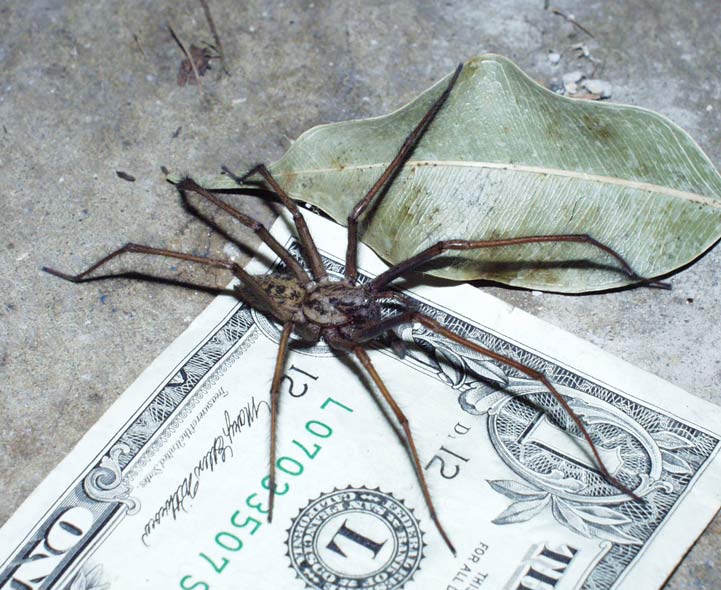
Photograph courtesy of GreyStork
Skeleton tarantula
Mexican red-knee tarantula
Giant house spider
Biting spider
- Order: Araneae
- Family: Agelenidae
- Genus: Tegenaria
- Species: T. duellica
- Females grow up to 18 mm in length. The leg span of the male can reach 75 mm!
- This species is able to bite right through human skin.
- Legs and stomach are hairy enough to notice.
8 .
Can you identify this spider?
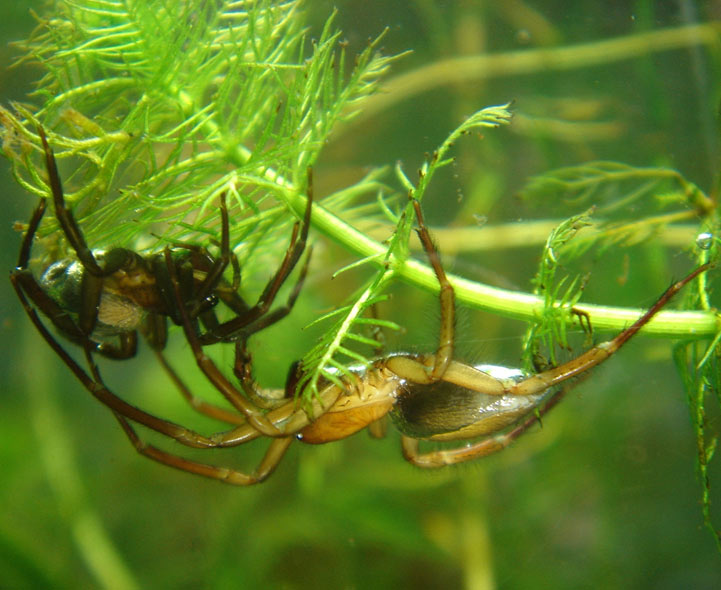
Photograph courtesy of Baupi
Water spider
Dewdrop spider
Hobo spider
Cave spider
- Order: Araneae
- Family: Cybaeidae
- Genus: Argyroneta
- Species: A. aquatica
- Also called the diving bell spider.
- A good swimmer that builds its web under water.
- The male is larger than the female.
- These spiders are eaten by frogs and fish.
9 .
Can you identify this spider?
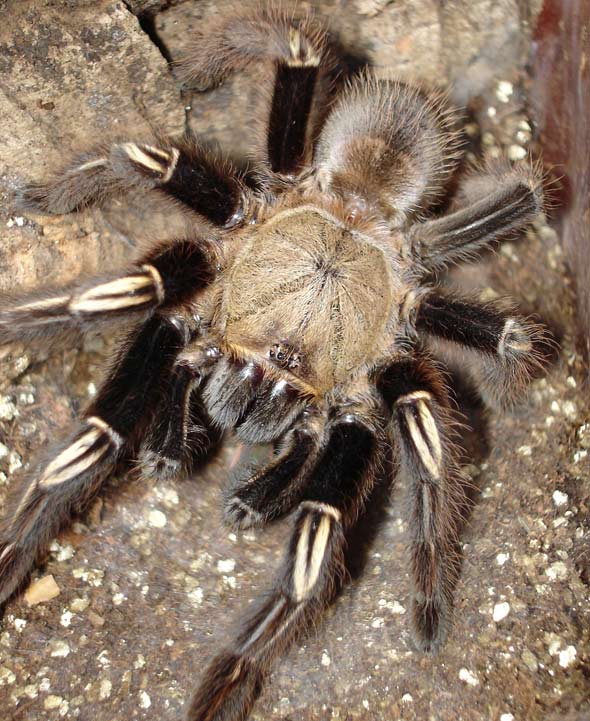
Photograph courtesy of Boing! said Zebedee
Biting spider
Zebra spider
Common house spider
Skeleton tarantula
- Order: Araneae
- Family: Theraphosidae
- Genus: Ephebopus
- Species: E. murinus
- A South American spider found on tropical forest floors.
- An aggressive spider who will not hesitate to show an attacking pose if threatened.
- It eats insects, worms and small mammals.
10 .
Can you identify this spider?
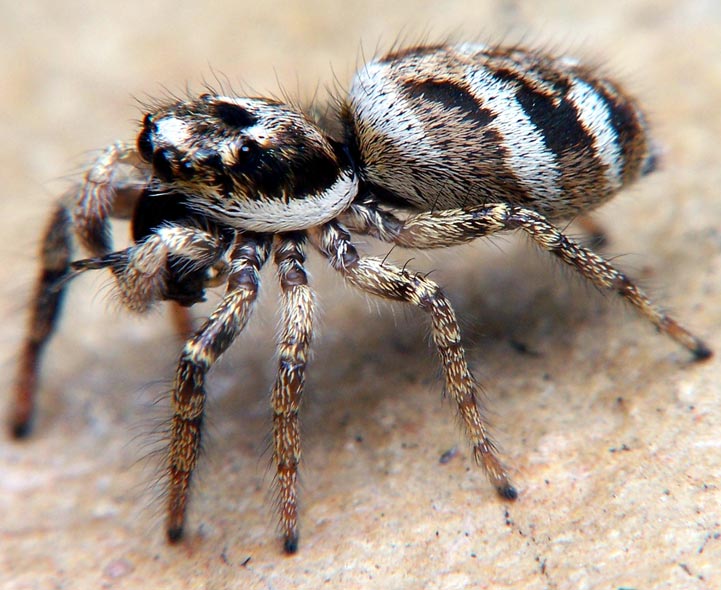
Photograph courtesy of Adam Opioła
Sydney funnel-web spider
Cave spider
Zebra spider
Water spider
- Order: Araneae
- Family: Salticidae
- Genus: Salticus
- Species: S. scenicus
- A jumping spider that catches prey by leaping on it.
- Despite being only a few millimetres long, they are capable of leaps up to 100 mm!
- This species is unusual in that they appear to be aware of humans.



**Unlimited Quizzes Await You! 🚀**
Hey there, quiz champ! 🌟 You've already tackled today's free questions.
Ready for more?
Ready for more?
🔓 Unlock UNLIMITED Quizzes and challenge yourself every day. But that's
not all...
not all...
🔥 As a Subscriber you can join our thrilling "Daily Streak" against other
quizzers. Try to win a coveted spot on our Hall of Fame Page.
quizzers. Try to win a coveted spot on our Hall of Fame Page.
Don't miss out! Join us now and keep the fun rolling. 🎉
**Unlimited Quizzes Await You! 🚀**
Hey there, quiz champ! 🌟 You've already tackled today's free questions. Ready for more?
🔓 Unlock UNLIMITED Quizzes and challenge yourself every day. But that's not all...
🔥 As a Subscriber you can join our thrilling "Daily Streak" against other quizzers. Try to win a coveted spot on our Hall of Fame Page.
Don't miss out! Join us now and keep the fun rolling. 🎉




© Copyright 2016-2026 - Education Quizzes
Work Innovate Ltd - Design | Development |
Marketing
