




Ask the AI Tutor
Need help with Mammals - Australasian Mammals? Ask our AI Tutor!
AI Tutor - Lucy
Connecting with Tutor...
Please wait while we establish connection
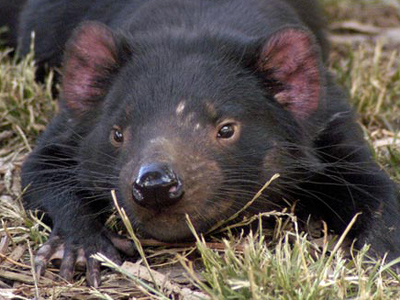
Where does the Tasmanian devil store fat?
Mammals - Australasian Mammals
Kangaroos, koalas, echidnas, and more, Australasian mammals are famous for pouches and odd features. Learn how their habitats and diets shape their lives.
To see a larger image, click on the picture.
1 .
Since the introduction of decimal currency to Australia in 1966, the embossed image of a platypus has appeared on the tail side of which coin?
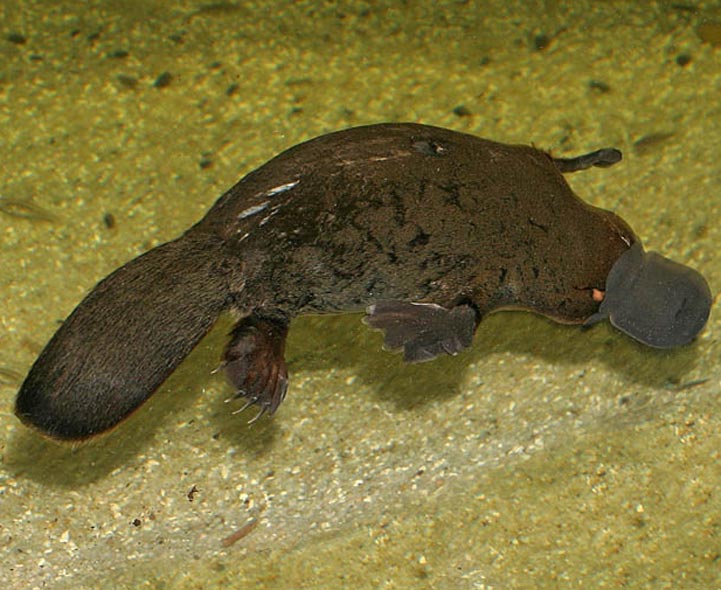
Photograph courtesy of www.flickr.com/photos/salim/
5 cent
10 cent
20 cent
50 cent
- Order: Monotremata
- Family: Ornithorhynchidae
- Genus: Ornithorhynchus
- Species: O. anatinus
- Due to its strange appearance, the platypus perplexed European naturalists when they first clapped eyes on it.
- It was even thought to be an elaborate fraud!
- Can release venom, which is rare in mammals.
2 .
The short-beaked Echidna is a monotreme. What does this mean?
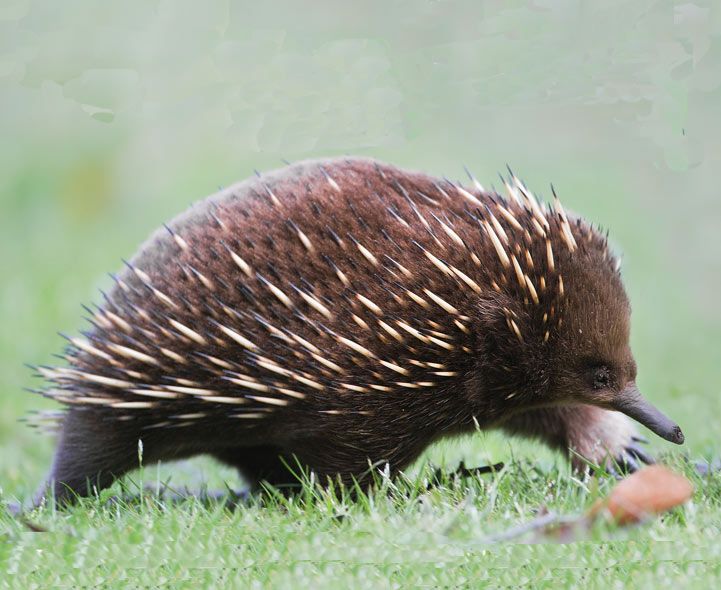
Photograph courtesy of JJ Harrison
It sheds skin
It lays eggs
It lives on land and in water
It only lives for one year
- Order: Monotremata
- Family: Tachyglossidae
- Genus: Tachyglossus
- Species: T. aculeatus
- Also called the spiny anteater.
- Has the ability to swim and uses the snout rather like a snorkel.
- Its stomach has low levels of acidity which is rare in mammals.
The monotremes are the only group of mammals to do so
3 .
Where does the Tasmanian devil store fat?
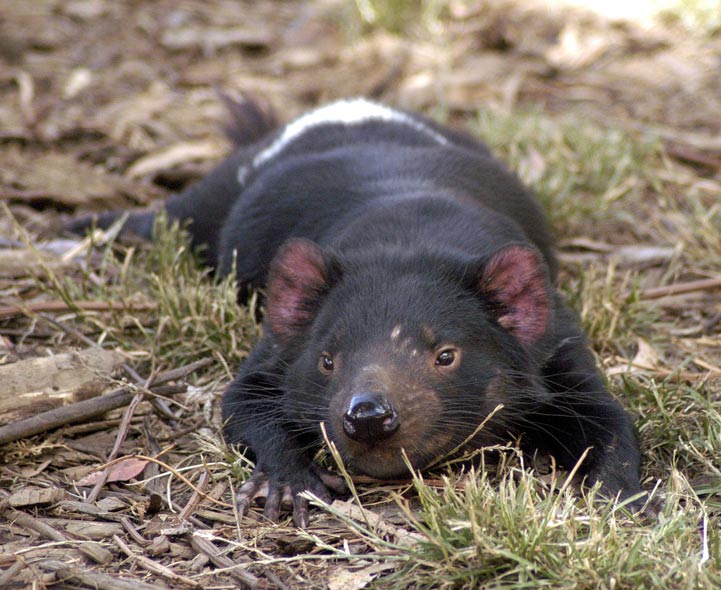
Photograph courtesy of www.waynemclean.com/
Tail
Neck
Hind legs
Shoulders
- Order: Dasyuromorphia
- Family: Dasyuridae
- Genus: Sarcophilus
- Species: Sarcophilus harrisii
- In the wild, found only in Tasmania.
- Is the largest carnivorous marsupial in the world.
- The Tasmanian devil's large head and neck allow it to generate the strongest bite per unit body mass of any living mammal.
A fat tail means a healthy devil!
4 .
What is the name of a baby Spectacled Flying Fox?
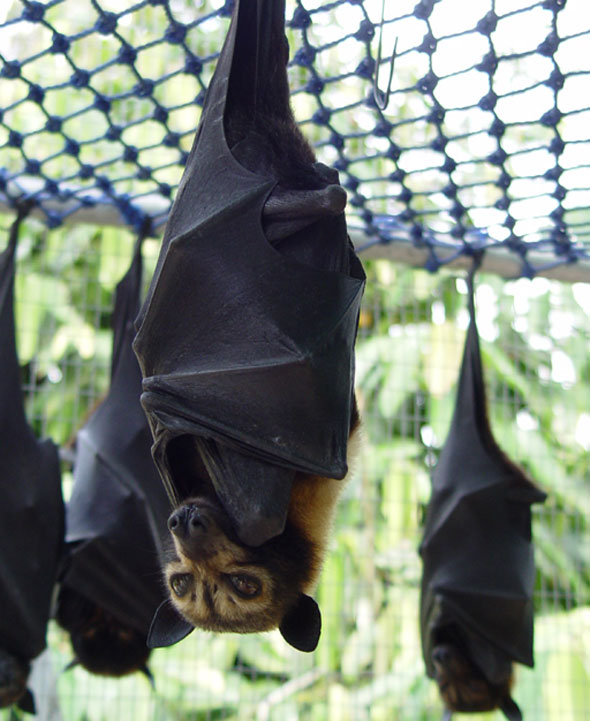
Photograph courtesy of http://www.thinkoholic.com/
Cub
Pup
Foxlet
Batlet
- Order: Chiroptera
- Family: Pteropodidae
- Genus: Pteropus
- Species: P. conspicillatus
- Also known as the Spectacled Fruit Bat
- Found in New Guinea and Queensland.
- Their habitat is forests, especially rainforests.
- Youngsters get together in nursery trees in the colony.
- They fly out for increasing distances with the colony at night and are 'parked' in nursery trees, often kilometres distant from the colony, and are brought back to the colony in the morning.
5 .
The world's first confirmed identical twin koalas were born in 1999 at the University of Queensland. What were they named?
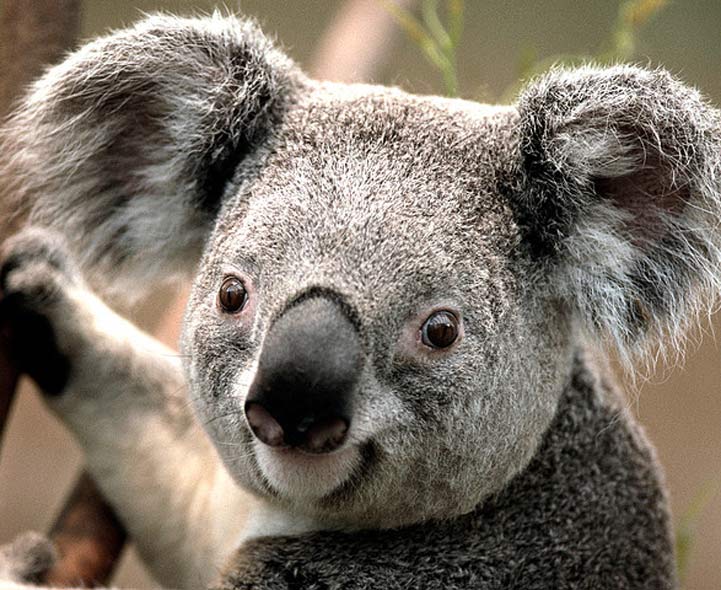
Photograph courtesy of PatrickGarmoe
Lano and Woodley
Jason and Kylie
Euca and Lyptus
Sleepy and Lazy
- Order: Diprotodontia
- Family: Phascolarctidae
- Genus: Phascolarctos
- Species: P. cinereus
- A much-loved and easily identified mammal native to Australia.
- Although 'koala bear' is still used, the koala is in fact not a bear.
- Koala fossils dating 20 million years ago have been found.
6 .
How many native predators of the possum are there in New Zealand?
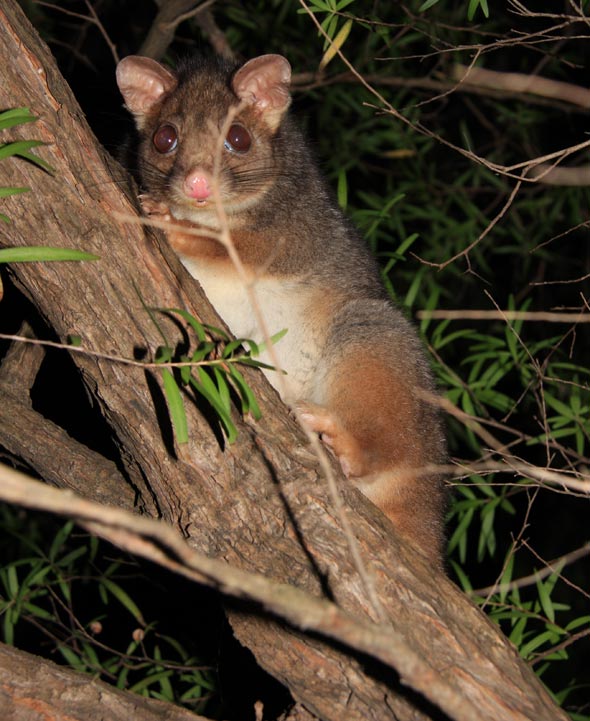
Photograph courtesy of Adam.J.W.C.
1
2
3
None
- Class: Mammalia
- Infraclass: Marsupialia
- Order: Diprotodontia
- Suborder: Phalangeriformes
- Native to Australia and New Guinea, introduced to New Zealand.
- Numbers are so large in New Zealand, it is now considered a pest.
- Some species have adapted to an urban environment.
- The common ringtail possum (pictured) eats a special type of faeces.
- This behaviour is called coprophagia and is similar to that seen in rabbits.
7 .
Can you identify this Australasian mammal?
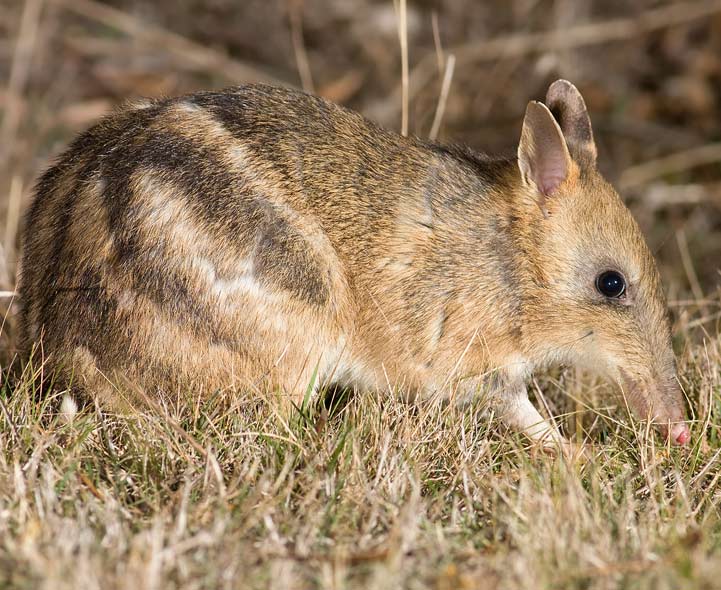
Photograph courtesy of JJ Harrison
Eastern Barred Bandicoot
Rakali
Northern Quoll
Bush Rat
- Order: Peramelemorphia
- Family: Peramelidae
- Genus: Perameles
- Species: P. gunnii
- A nocturnal marsupial which is a Near Threatened species.
- The gestation period is only 12 days - one of the shortest of any mammal.
- In perfect conditions, females can have up to five litters per year.
8 .
What is the dingo also known as?
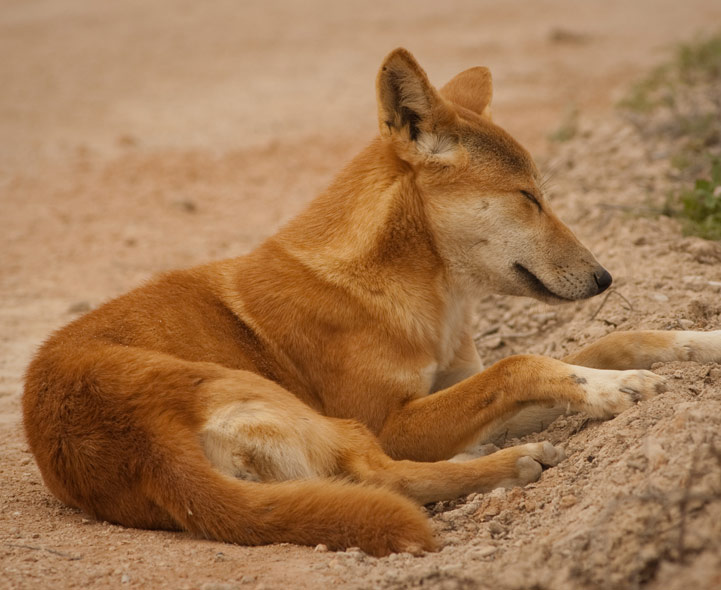
Photograph courtesy of Henry Whitehead
Bush dog
Red wolf
Warrigal
Bush wolf
- Order: Carnivora
- Family: Canidae
- Genus: Canis
- Species: C. lupus
- A wild dog only found in Australia, predominantly in the outback.
- They are able to react to social cues and gestures from humans, something that wolves cannot do.
- The diet is massively varied - up to 170 species have been identified.
9 .
Since 2005 there has been an unofficial holiday called Wombat Day. On what date does it occur?
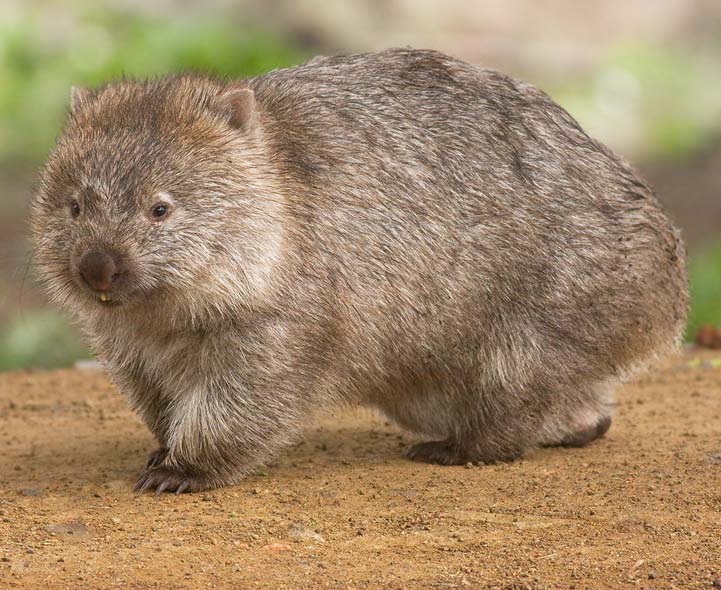
Photograph courtesy of JJ Harrison
22 April
22 June
22 August
22 October
- Order: Diprotodontia
- Family: Vombatidae
- A wombat burrow can be as long as 20 metres.
- Wombats are adept at digging complicated tunnels with their strong legs and sharp claws.
- The entrance to the female wombat's pouch faces backwards.
- This is to prevent dirt from entering it when it is burrowing.
It is at the beginning of the traditional aboriginal spring planting season
10 .
Captain Cook arrived back in England in 1771 with a kangaroo on board. What was the name of his ship?
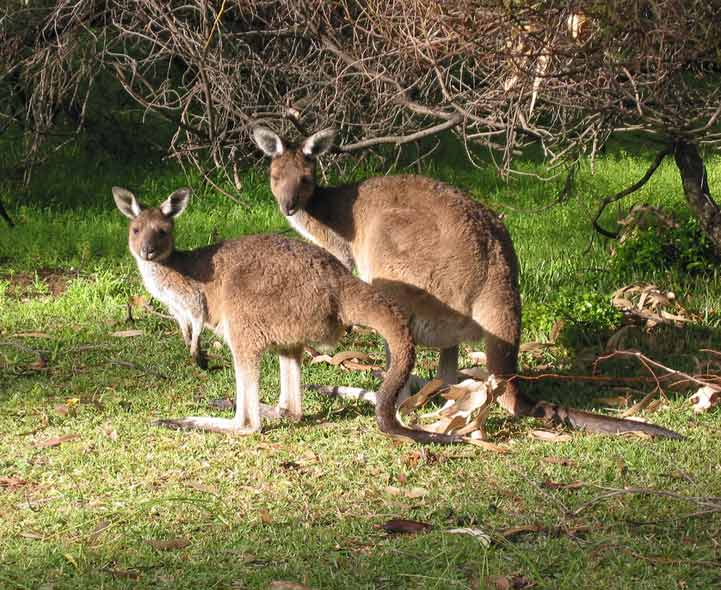
Photograph courtesy of Paul Mannix
HMS Endeavour
HMS Resolution
HMS Exploration
HMS Bravado
- Order: Diprotodontia
- Family: Macropodidae
- Genus: Macropus
- A kangaroo can hop at up to 60 kmh (40 mph).
- It can also leap over obstacles up to 3 m (10 ft) high.
- Because of the unusual shape of its legs and its bulky tail a kangaroo can't walk or move backwards very easily.



**Unlimited Quizzes Await You! 🚀**
Hey there, quiz champ! 🌟 You've already tackled today's free questions.
Ready for more?
Ready for more?
🔓 Unlock UNLIMITED Quizzes and challenge yourself every day. But that's
not all...
not all...
🔥 As a Subscriber you can join our thrilling "Daily Streak" against other
quizzers. Try to win a coveted spot on our Hall of Fame Page.
quizzers. Try to win a coveted spot on our Hall of Fame Page.
Don't miss out! Join us now and keep the fun rolling. 🎉
**Unlimited Quizzes Await You! 🚀**
Hey there, quiz champ! 🌟 You've already tackled today's free questions. Ready for more?
🔓 Unlock UNLIMITED Quizzes and challenge yourself every day. But that's not all...
🔥 As a Subscriber you can join our thrilling "Daily Streak" against other quizzers. Try to win a coveted spot on our Hall of Fame Page.
Don't miss out! Join us now and keep the fun rolling. 🎉




© Copyright 2016-2026 - Education Quizzes
Work Innovate Ltd - Design | Development |
Marketing
