




Ask the AI Tutor
Need help with Mammals - British Mammals 1? Ask our AI Tutor!
AI Tutor - Lucy
Connecting with Tutor...
Please wait while we establish connection
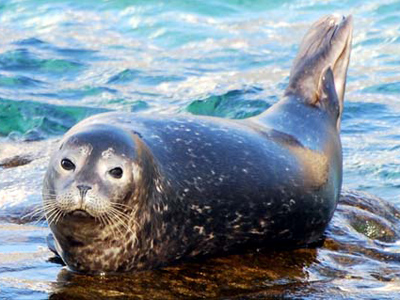
Which British mammal is this?
Mammals - British Mammals 1
Britain is home to land and sea mammals, from badgers and hedgehogs to seals and dolphins. This quiz explores how they live, feed, and stay hidden.
To see a larger image, click on the picture.
1 .
What is the name of this British mammal?
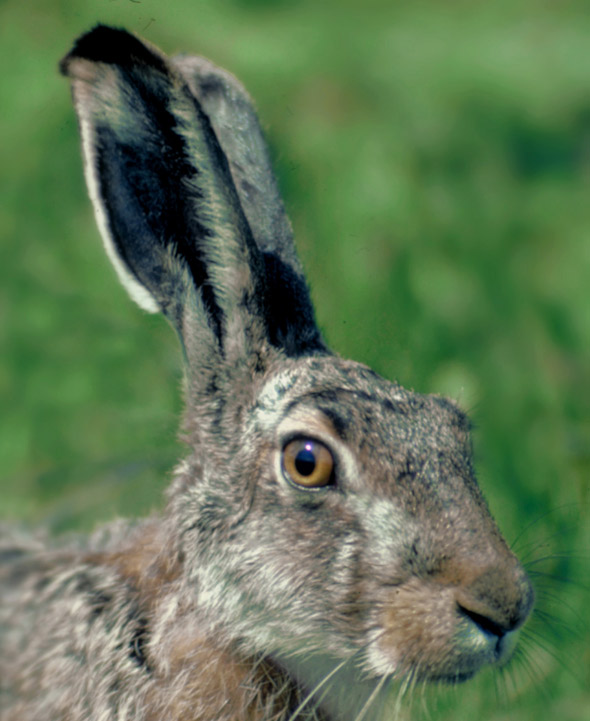
Photograph courtesy of Takkk
European Rabbit
European Hare
Mountain Hare
Wild Boar
- Order: Lagomorpha
- Family: Leporidae
- Genus: Lepus
- Species: L. europaeus
- Does not burrow and lives in exposed habitats.
- Can run at up to speeds of 70 kph (45 mph) to escape predators.
- More often than not, this is a solitary animal.
- Can be seen 'boxing' in the early Spring months.
2 .
What is the name of this British mammal?
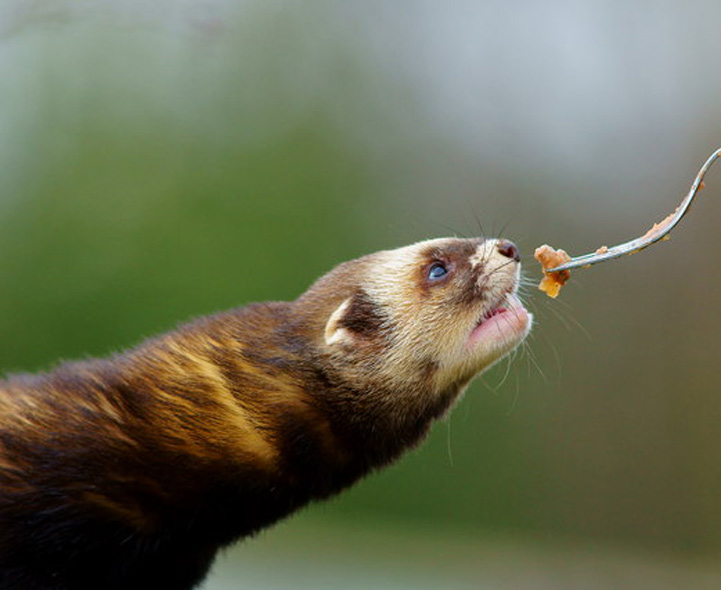
Photograph courtesy of www.geograph.org.uk/profile/34298
Pine Marten
Stoat
European Polecat
Least Weasel
- Order: Carnivora
- Family: Mustelidae
- Genus: Mustela
- Species: M. putorius
- Have a preference for lowland areas.
- Their dens include rabbit burrows, farmyard hay bales, sheds and even rubbish tips!
- Have scent glands that produce a pungent scent.
- Are able to spray the scent backwards by doing a 'hand-stand'.
3 .
What is the name of this British mammal?
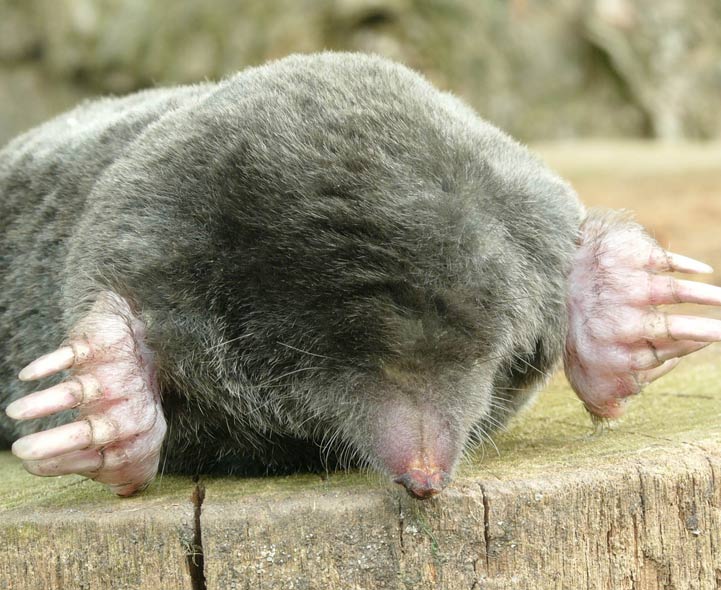
Photograph courtesy of Hannes Grobe
Water Shrew
Black Rat
Brown Rat
Mole
- Order: Soricomorpha
- Family: Talpidae
- Genus: Talpa
- Species: T. europaea
- Spend most of their lives underground, however they are not blind.
- Can make a mess of fields and gardens with their 'hills'.
- They are found throughout Britain but not in Ireland.
- Both males and females are solitary except in the breeding season.
4 .
What is the name of this British mammal?
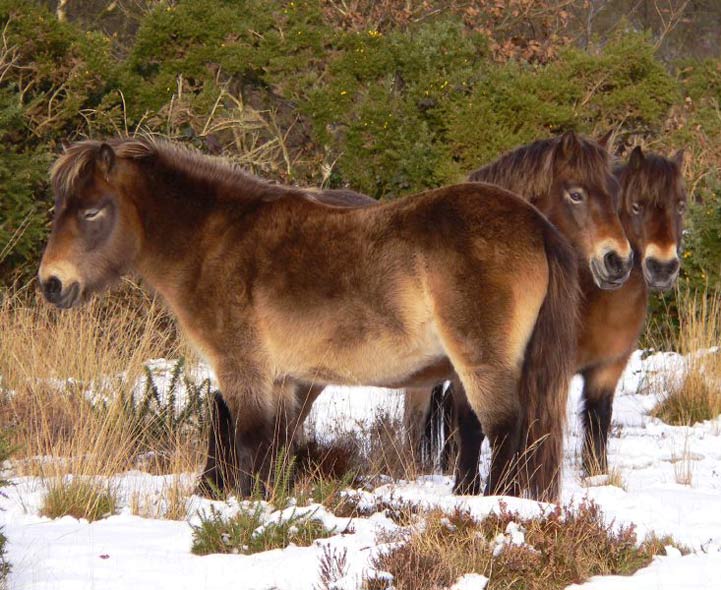
Photograph courtesy of me'nthedogs'
Dartmoor Pony
Exmoor Pony
Shetland Pony
Shire Horse
- A rare breed with less than 1,000 worldwide.
- Located in the south west of Britain.
- Has inhabited the moorland since ancient times.
- It is the oldest British pony.
- Eats moor grasses, rushes, heather and gorse.
- They are 'endangered' on the Rare Breeds Survival Trust list.
- An alert, intelligent and kind creature.
5 .
What is the name of this British mammal?
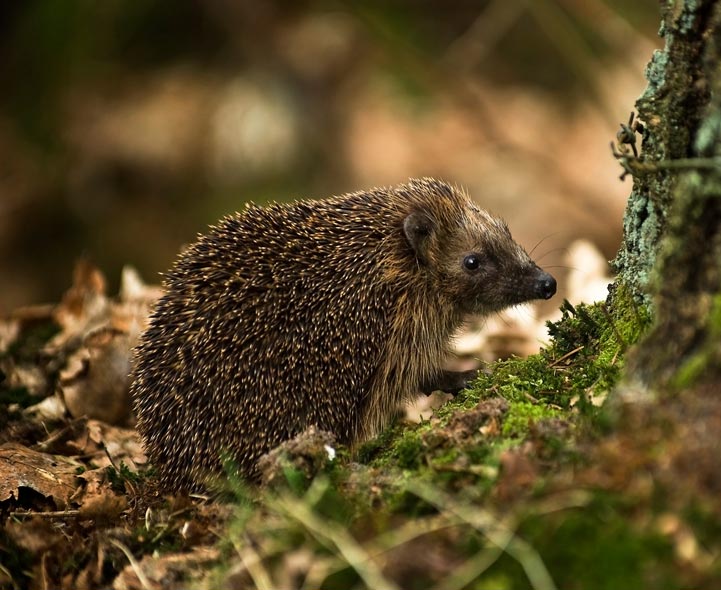
Photograph courtesy of Hrald
Water Shrew
Porcupine
Field Vole
Hedgehog
- Order: Erinaceomorpha
- Family: Erinaceidae
- Genus: Erinaceus
- Species: E. europaeus
- The only spiny British mammal.
- Common in parks, gardens and farmland.
- Rolls into a ball when disturbed or threatened.
- Hibernates throughout the winter months.
6 .
What is the name of this British mammal?
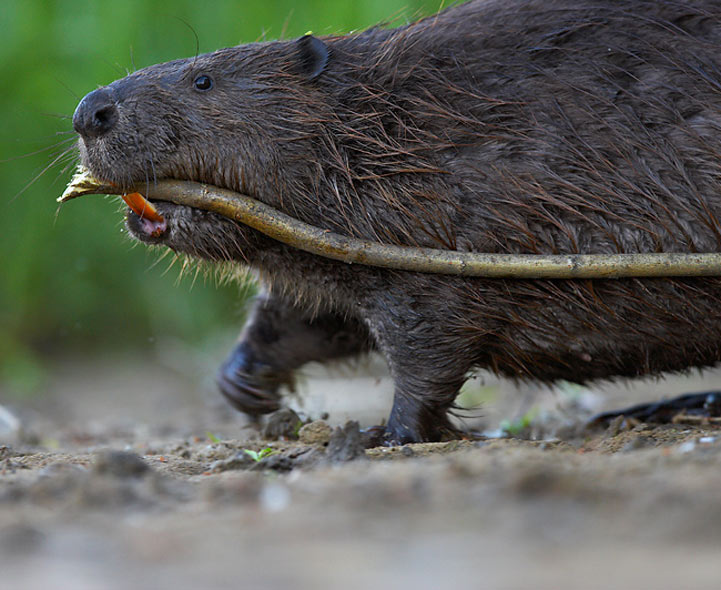
Photograph courtesy of Sven Začek
Eurasian beaver
European Otter
Eurasian Badger
Bank Vole
- Order: Rodentia
- Family: Castoridae
- Genus: Castor
- Species: C. fiber
- Became extinct in the UK in the 1500s.
- Recently been reintroduced in England at Ham Fen in Kent.
- A nocturnal animal that spends most of its time in the water.
- Native Americans called them 'little people' because they look human when standing to feed and groom.
7 .
What is the name of this British mammal?
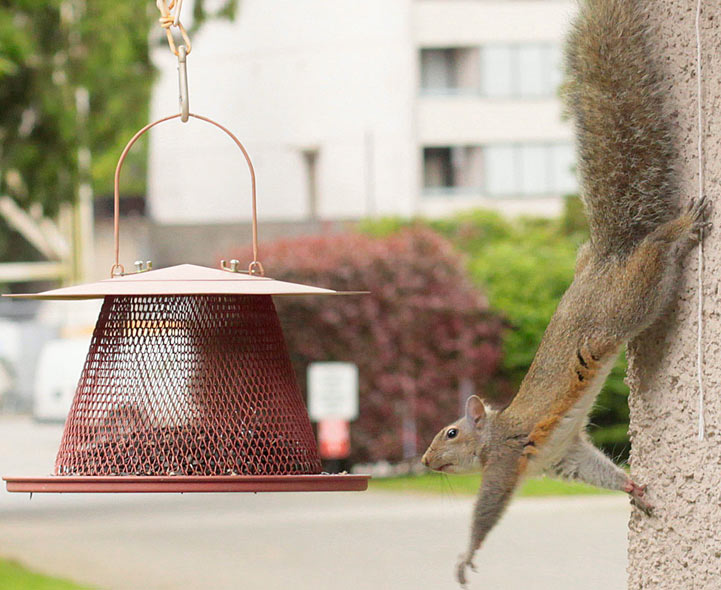
Photograph courtesy of waferboard
Grey squirrel
Red squirrel
Harvest Mouse
Hazel Dormouse
- Order: Rodentia
- Family: Sciuridae
- Genus: Sciurus
- Species: S. carolinensis
- Widespread and common throughout the UK.
- A frequent visitor to gardens if peanuts are available.
- Their nests are called 'dreys'.
- They store nuts underground in autumn to last them through the winter.
8 .
What is the name of this British mammal?
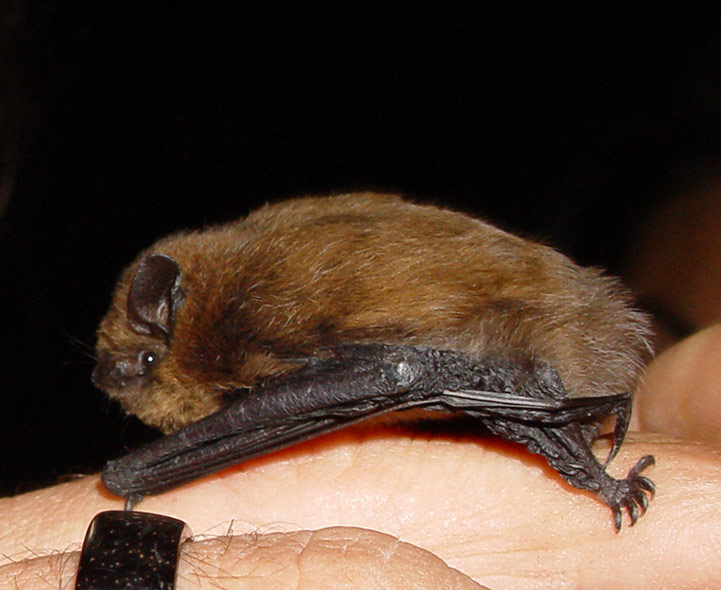
Photograph courtesy of http://www.thinkoholic.com/
Common Pipistrelle
Northern Bat
Whiskered Bat
Brown Long-eared Bat
- Order: Chiroptera
- Family: Vespertilionidae
- Genus: Pipistrellus
- Species: P. pipistrellus
- The smallest bat found in the UK.
- Has a visibly fast and jerky flight pattern.
- Found in most habitats including urban areas.
- Can consume approximately 3,000 insects in a single night.
9 .
What is the name of this British mammal?
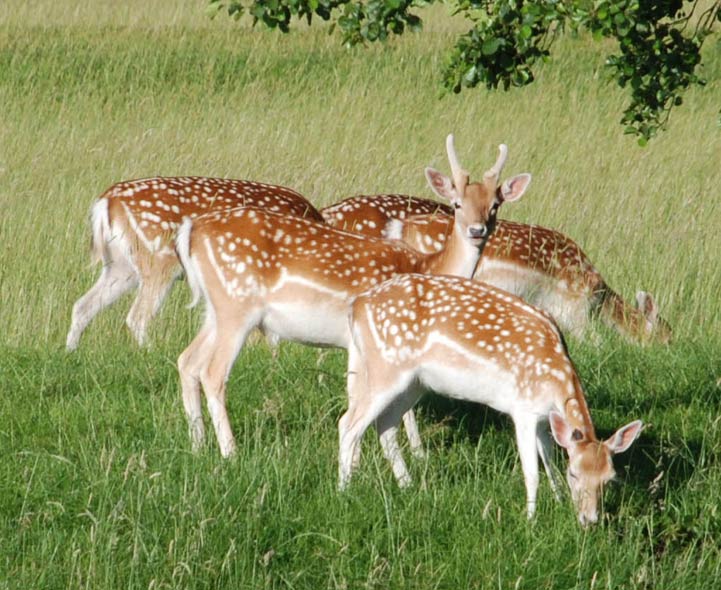
Photograph courtesy of Rob Bendall
Fallow Deer
Sika Deer
Roe Deer
Water Deer
- Order: Artiodactyla
- Family: Cervidae
- Genus: Dama
- Species: D. dama
- The male is approximately twice the weight of the female.
- Lifespan an average of around 10 years.
- Habitat is dense woodland and parkland.
- When disturbed, they will jump about with all four legs held stiffly before taking cover.
10 .
What is the name of this British mammal?
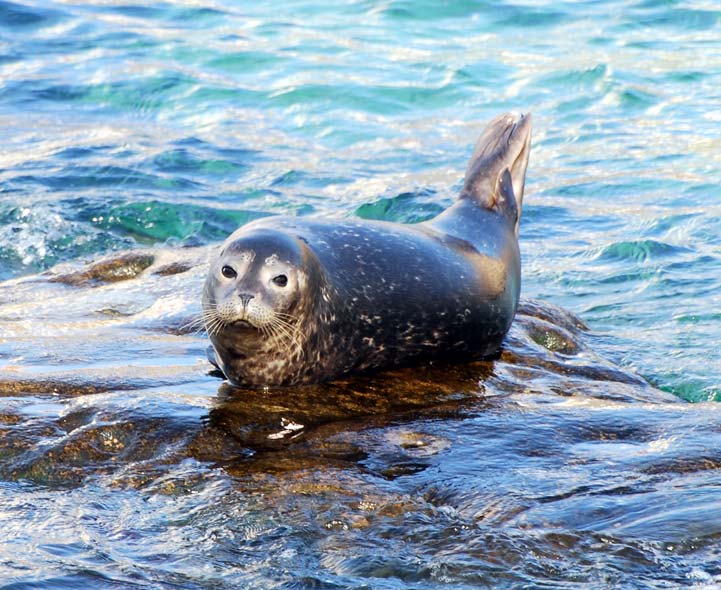
Photograph courtesy of Fastily
Common Vole
Common Seal
Walrus
Hooded Seal
- Order: Carnivora
- Family: Phocidae
- Genus: Phoca
- Species: P. vitulina
- Feed at sea but regularly rest on rocky shores or sandbanks.
- Can reach depths of 50 metres underwater and can stay under for up to 10 minutes.
- Pups can swim and dive when only a few hours old.



**Unlimited Quizzes Await You! 🚀**
Hey there, quiz champ! 🌟 You've already tackled today's free questions.
Ready for more?
Ready for more?
🔓 Unlock UNLIMITED Quizzes and challenge yourself every day. But that's
not all...
not all...
🔥 As a Subscriber you can join our thrilling "Daily Streak" against other
quizzers. Try to win a coveted spot on our Hall of Fame Page.
quizzers. Try to win a coveted spot on our Hall of Fame Page.
Don't miss out! Join us now and keep the fun rolling. 🎉
**Unlimited Quizzes Await You! 🚀**
Hey there, quiz champ! 🌟 You've already tackled today's free questions. Ready for more?
🔓 Unlock UNLIMITED Quizzes and challenge yourself every day. But that's not all...
🔥 As a Subscriber you can join our thrilling "Daily Streak" against other quizzers. Try to win a coveted spot on our Hall of Fame Page.
Don't miss out! Join us now and keep the fun rolling. 🎉




© Copyright 2016-2026 - Education Quizzes
Work Innovate Ltd - Design | Development |
Marketing
