




Ask the AI Tutor
Need help with Mammals - British Mammals 2? Ask our AI Tutor!
AI Tutor - Lucy
Connecting with Tutor...
Please wait while we establish connection
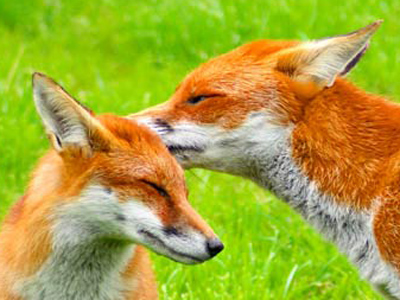
Foxes have been living in Britain since the last ice age.
Mammals - British Mammals 2
From hedgehogs in gardens to otters on rivers, British mammals have clever ways to feed, travel, and stay safe. Test what you know and learn new clues.
To see a larger image, click on the picture.
1 .
Can you identify this British mammal?
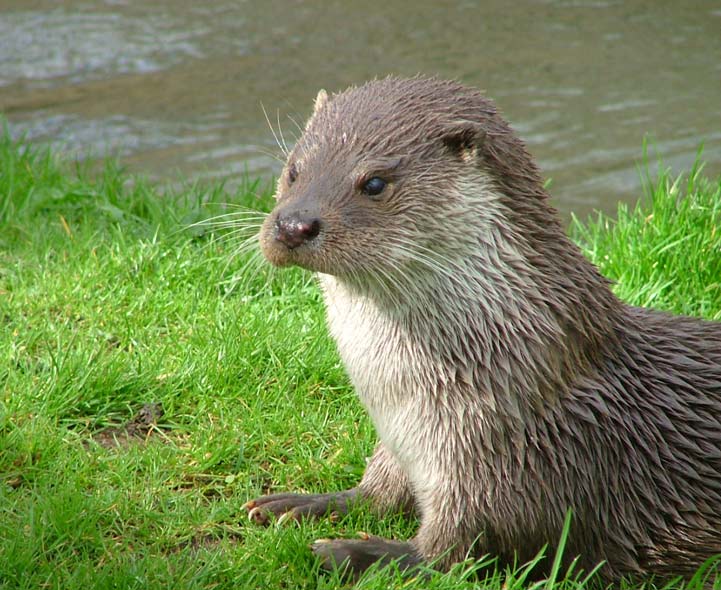
Photograph courtesy of www.flickr.com/photos/cjtrigg/
Lesser White-toothed Shrew
European Otter
Stoat
Least Weasel
- Order: Carnivora
- Family: Mustelidae
- Genus: Lutra
- Species: L. lutra
- A secretive semi-aquatic species which was once widespread in Britain.
- Its main diet is fish, although it will take coots, moorhens and ducks.
- They are mostly nocturnal.
- Strictly protected by the Wildlife and Countryside Act.
2 .
Boar was often used in the production of which object?
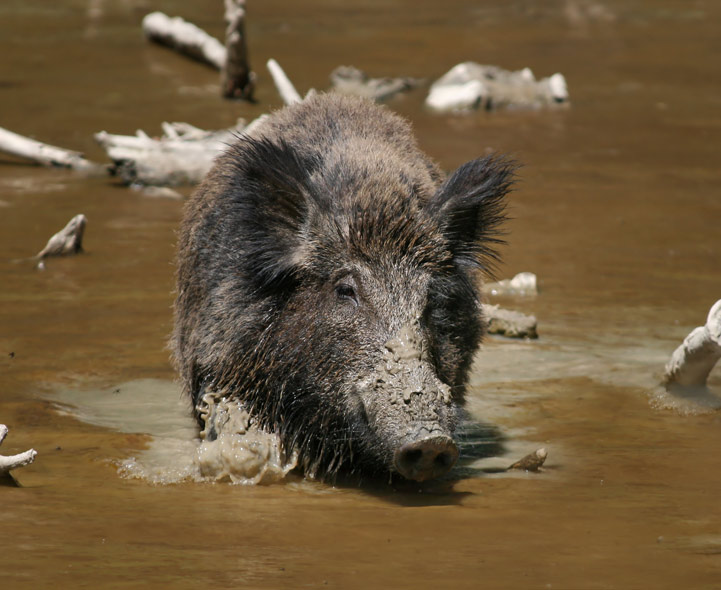
Photograph courtesy of Richard Bartz
Toothbrush
Piano key
Chess piece
Ballet shoe
- Order: Artiodactyla
- Family: Suidae
- Genus: Sus
- Species: S. scrofa
- Is an ancestor of domestic pigs.
- Extremely vocal and will grunt and chirrup to each other.
- Also emits a loud squeal when threatened or alarmed.
- In this country, their only predator is man.
Hair from the neck was used for the bristles until the invention of synthetic materials in the 1930s
3 .
Can you identify this British mammal?
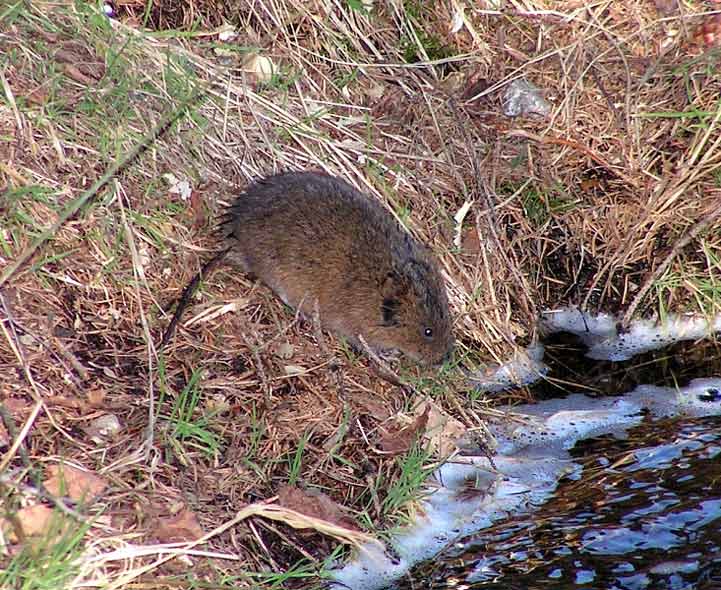
Photograph courtesy of Rabensteiner
Water Vole
Water Shrew
Bank Vole
Mole
- Order: Rodentia
- Family: Cricetidae
- Genus: Arvicola
- Species: A. amphibius
- A rare species in Britain.
- Grows up to 30 cms in length from nose to tail.
- Ratty from Wind in the Willows was this animal.
- Can be spotted by ponds, lakes and slow running rivers.
4 .
Which of these is NOT one of Santa's reindeer?
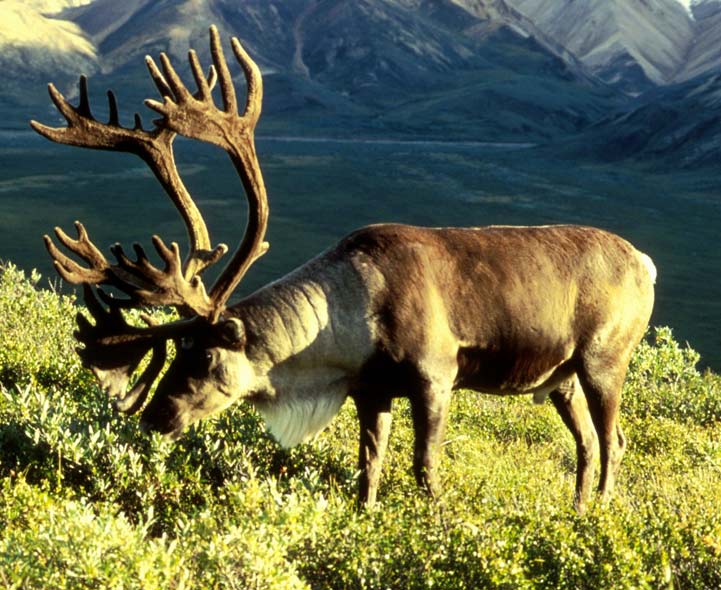
Photograph courtesy of Dean Biggins
Dasher
Prancer
Meteor
Cupid
- Order: Artiodactyla
- Family: Cervidae
- Genus: Rangifer
- Species: R. tarandus
- Britain's only herd of this species is in the Cairngorm mountains of Scotland, where they roam free.
- A beautiful and gentle animal.
- They have similar traits to humans.
- There are words in the Sami language for them such as lazy, happy and grumpy.
5 .
What is the female fox known as?
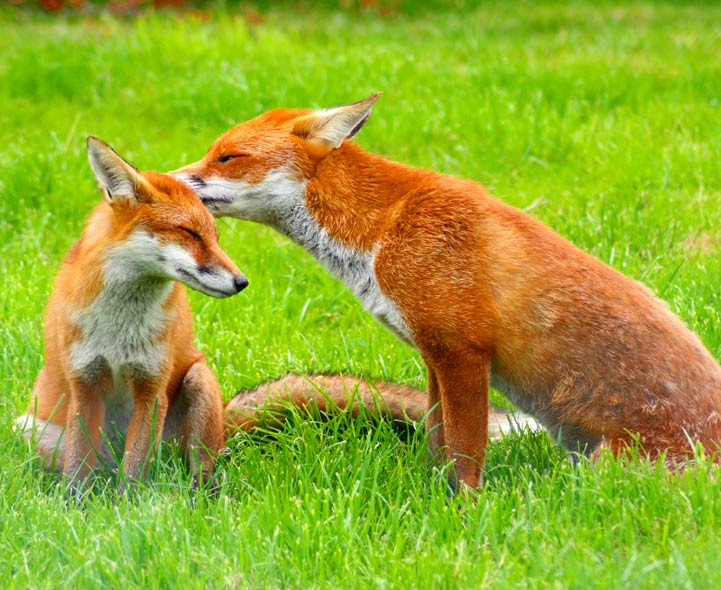
Photograph courtesy of www.flickr.com/photos/kevenlaw
Doe
Bitch
She-fox
Vixen
- Order: Carnivora
- Family: Canidae
- Genus: Vulpes
- Species: V. vulpes
- Has been living in Britain since the last ice age.
- Widespread and common in all habitats.
- Approximately 500,000 cubs are born in the UK every year.
- They are generally nocturnal.
6 .
Can you identify this British mammal?
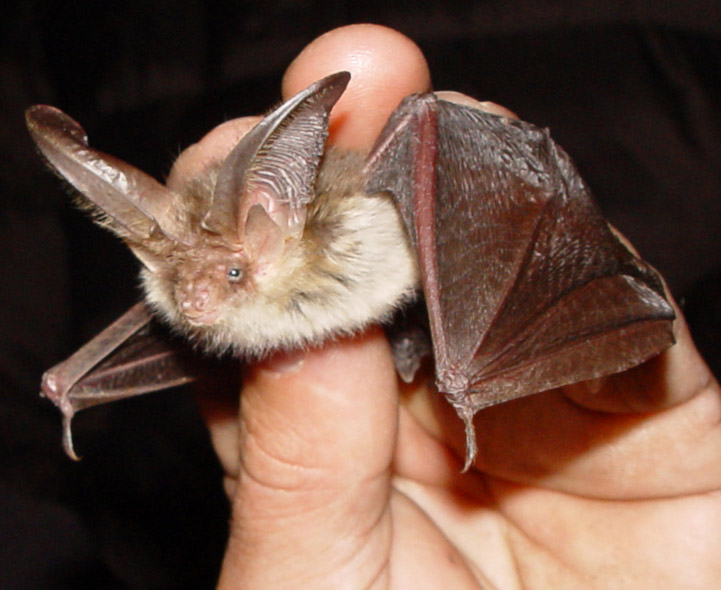
Photograph courtesy of http://www.thinkoholic.com/
Brown long-eared Bat
Barbastelle
Whiskered Bat
Northern Bat
- Order: Chiroptera
- Family: Vespertilionidae
- Genus: Plecotus
- Species: P. auritus
- Its ears are nearly as long as its body length!
- Maximum recorded age is 30 years.
- Widespread across mainland Britain.
- They fly slow and low, making them vulnerable to nocturnal mammals.
7 .
Can you identify this British mammal?
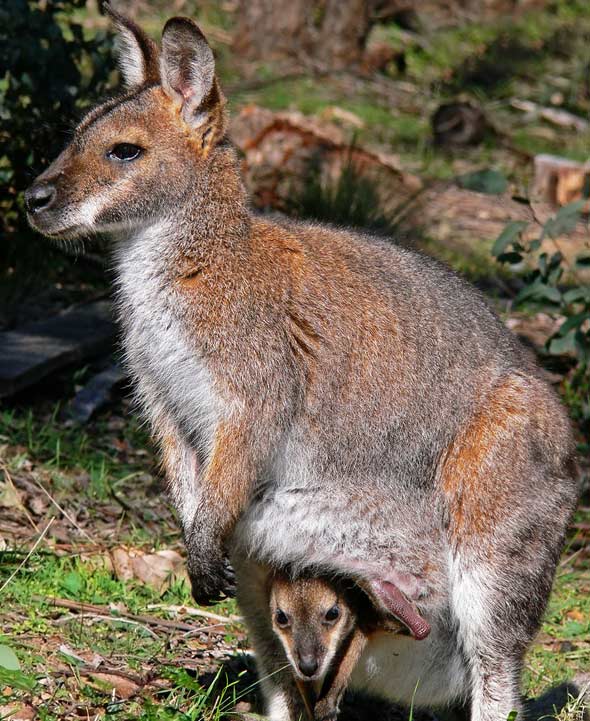
Photograph courtesy of Benjamint444
Red Kangaroo
Wallaroo
Eastern Grey Kangaroo
Red-necked Wallaby
- Order: Diprotodontia
- Family: Macropodidae
- Genus: Macropus
- Species: M. rufogriseus
- Found in the Peak District and Sussex.
- First introduced to Britain from Tasmania over 100 years ago - in zoos.
- The young stay in Mum's pouch for approximately 10 months.
8 .
What is the term used to describe a dog with a mix of multiple breeds?
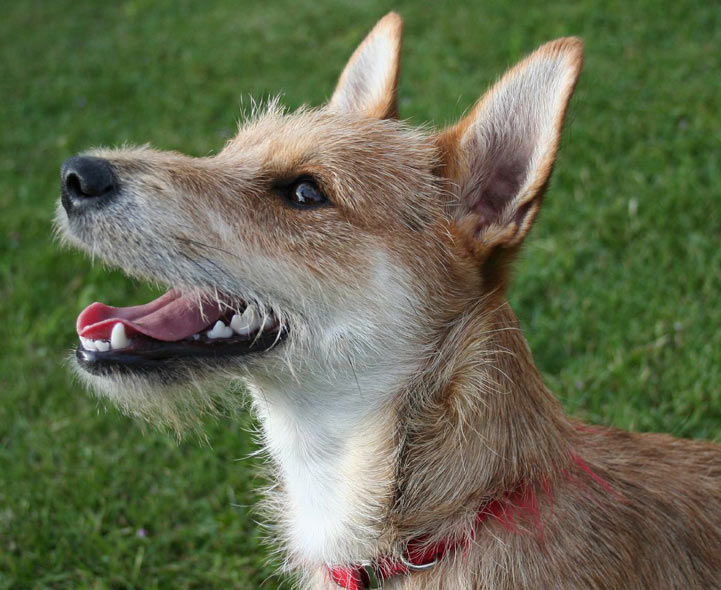
Photograph courtesy of Chris Barber
Heinz 37
Heinz 57
Heinz 77
Heinz 97
- Order: Carnivora
- Family: Canidae
- Genus: Canis
- Species: C. lupus
- Is known as 'Man's best friend'.
- Domesticated from wolves approximately 15,000 years ago.
- Can hear sounds at four times the distance of humans.
- Also, can detect smells at concentrations nearly 100 million times lower than us!
9 .
What is a rabbit's home called?
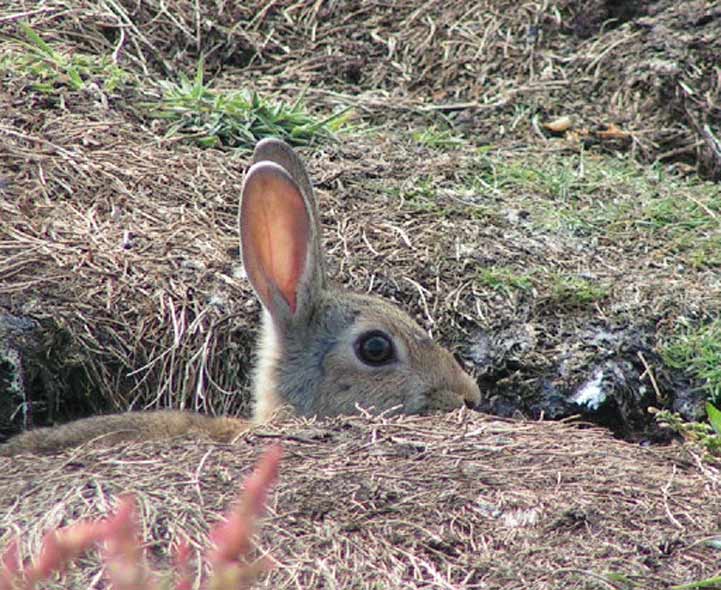
Photograph courtesy of Norrie Adamson
Tunnel
Drey
Den
Warren
- Order: Lagomorpha
- Family: Leporidae
- Genus: Oryctolagus
- Species: O. cuniculus
- Common and widespread throughout Britain.
- Can be spotted at dawn or dusk at roadsides.
- There were no rabbits in Britain until the 12th Century.
- They warn other rabbits of any threats by thumping the ground.
10 .
Can you identify this British mammal?
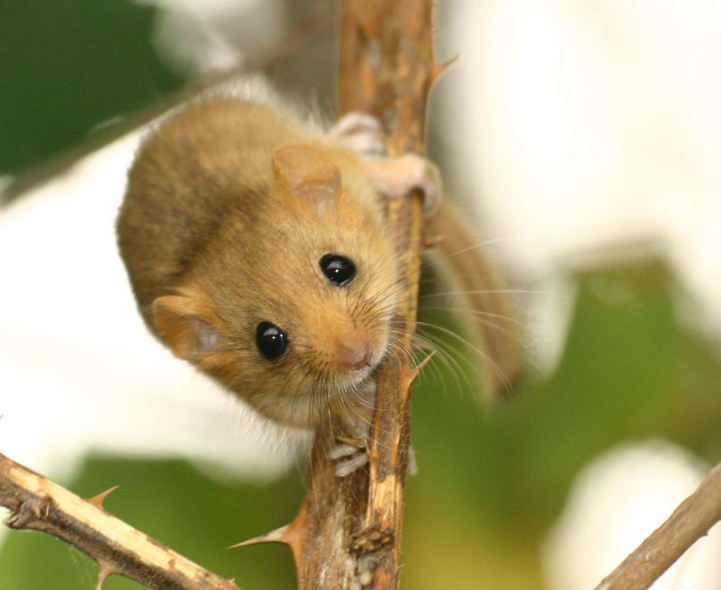
Photograph courtesy of Björn Schulz
Harvest Mouse
Brown Rat
Hazel Dormouse
Common Vole
- Order: Rodentia
- Family: Gliridae
- Genus: Muscardinus
- Species: M. avellanarius
- Found mostly in the south of England and throughout Wales.
- Active at night and hibernate in the winter months.
- Distinguished by their hairy tail.
- An old English name for this mammal is 'sleeper'.



**Unlimited Quizzes Await You! 🚀**
Hey there, quiz champ! 🌟 You've already tackled today's free questions.
Ready for more?
Ready for more?
🔓 Unlock UNLIMITED Quizzes and challenge yourself every day. But that's
not all...
not all...
🔥 As a Subscriber you can join our thrilling "Daily Streak" against other
quizzers. Try to win a coveted spot on our Hall of Fame Page.
quizzers. Try to win a coveted spot on our Hall of Fame Page.
Don't miss out! Join us now and keep the fun rolling. 🎉
**Unlimited Quizzes Await You! 🚀**
Hey there, quiz champ! 🌟 You've already tackled today's free questions. Ready for more?
🔓 Unlock UNLIMITED Quizzes and challenge yourself every day. But that's not all...
🔥 As a Subscriber you can join our thrilling "Daily Streak" against other quizzers. Try to win a coveted spot on our Hall of Fame Page.
Don't miss out! Join us now and keep the fun rolling. 🎉




© Copyright 2016-2026 - Education Quizzes
Work Innovate Ltd - Design | Development |
Marketing
