




Ask the AI Tutor
Need help with Mammals - British Mammals 3? Ask our AI Tutor!
AI Tutor - Lucy
Connecting with Tutor...
Please wait while we establish connection
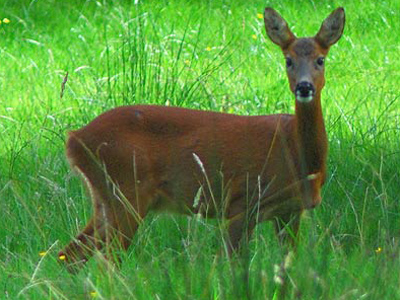
This British mammal is monogamous and is usually found in small groups rather than herds.
Mammals - British Mammals 3
Pine martens, badgers, bats and more, British mammals are often hidden from view. This quiz helps you spot clues, learn habitats, and test your knowledge.
To see a larger image, click on the picture.
1 .
Can you name this British mammal?
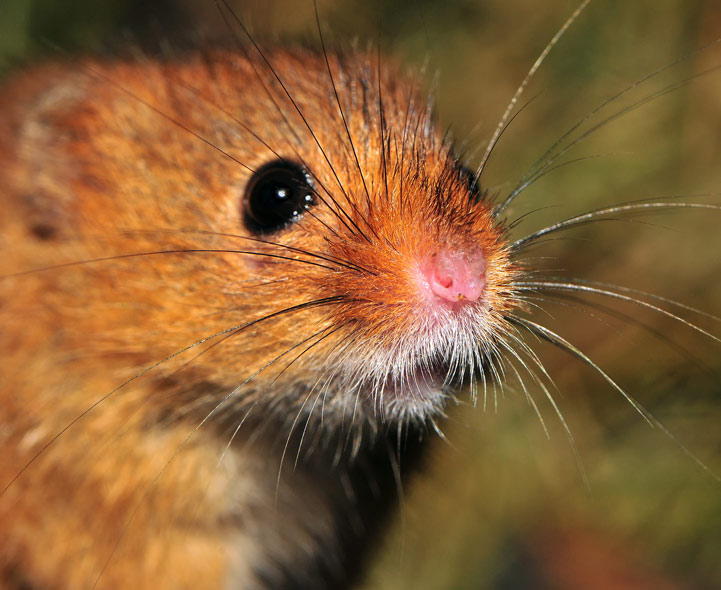
Photograph courtesy of Michael Gäbler
House Mouse
Brown Rat
Harvest Mouse
Edible Dormouse
- Order: Rodentia
- Family: Muridae
- Genus: Micromys
- Species: M. minutus
- Extremely active climbers and feed in the stalk zone of long grasses and reeds.
- Feedings tends to occur at dawn and dusk.
- Hearing is acute and they will react sharply.
2 .
Can you name this British mammal?
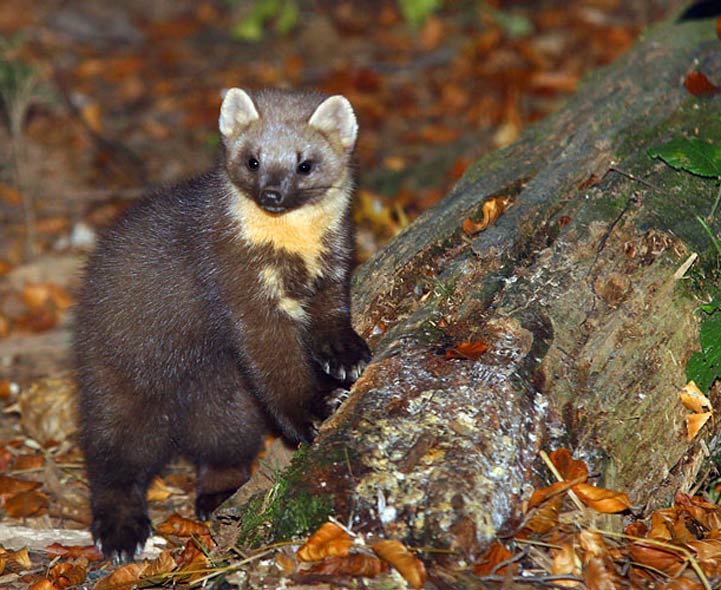
Photograph courtesy of Dani Kropivnik
Pine Marten
Stoat
European Polecat
American Mink
- Order: Carnivora
- Family: Mustelidae
- Genus: Martes
- Species: M. martes
- Roughly the size of a small cat.
- Found in Scotland and Ireland, less so in England.
- Mostly hunt on the ground.
- They are very good climbers and can climb with great agility.
3 .
What is a group of badgers living together known as?
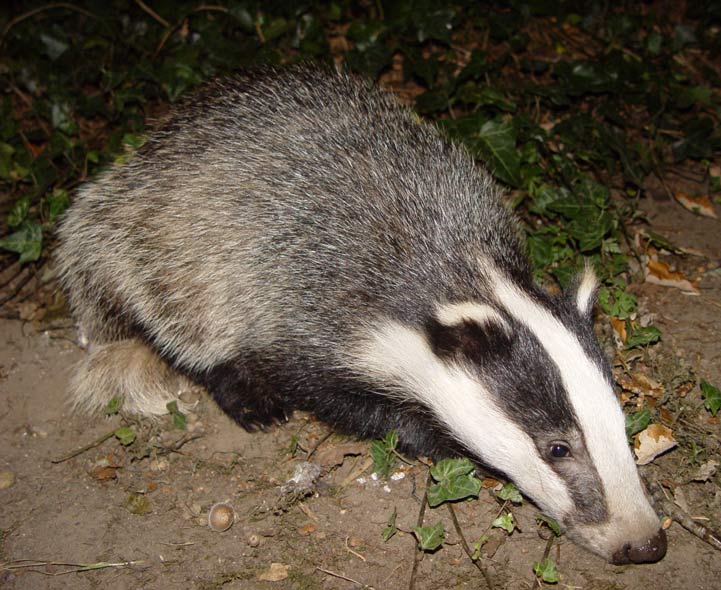
Photograph courtesy of BadgerHero
A family
A clan
A kin
A sett
- Order: Carnivora
- Family: Mustelidae
- Genus: Meles
- Species: M. meles
- An unmistakable animal with its black and white striped face.
- They have no predators except each other and man.
- An extremely clean animal, it prefers to dig latrines away from the sett.
4 .
What is a castrated male goat known as?
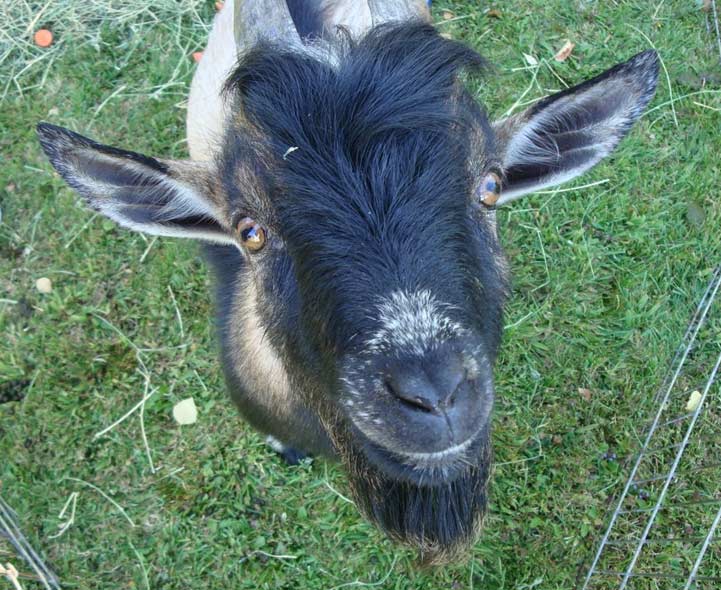
Photograph courtesy of www.flickr.com/photos/mamsy/
Billy
Kid
Wether
Nanny
- Order: Artiodactyla
- Family: Bovidae
- Genus: Capra
- Species: C. aegagrus
- Goats are one of the oldest domesticated species.
- Their hide has been used for wine bottles and parchment.
- Their distinguishing feature is horizontal slit-shaped pupils.
- Extremely curious and intelligent.
5 .
Can you name this British mammal?
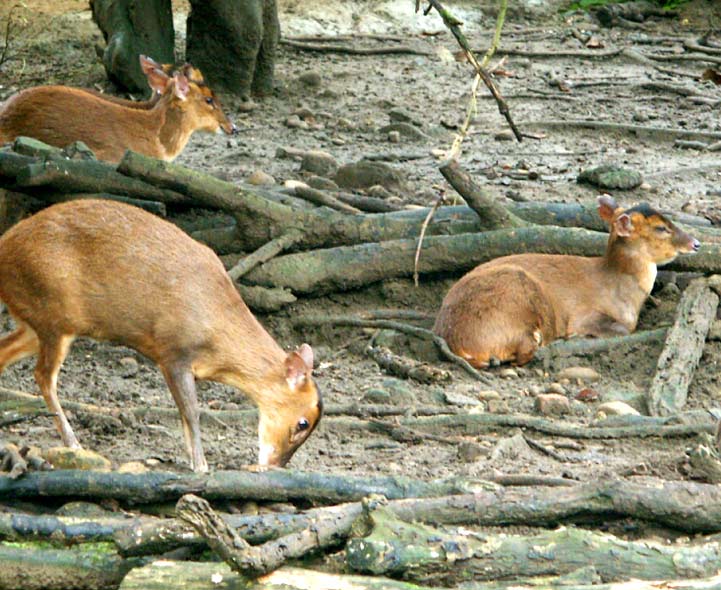
Photograph courtesy of KaurJmeb
Reeve's Muntjac
Wild Boar
Water Deer
European Otter
- Order: Artiodactyla
- Family: Cervidae
- Genus: Muntiacus
- Species: M. reevesi
- The current population's ancestors are mostly likely escapees from Whipsnade Zoo.
- Have been spotted in large urban parks in areas of London.
- Can be a traffic hazard, as they do not readily move out of the way of cars.
6 .
What is the gestation period for a cow?

Photograph courtesy of backpackphotography
3 months
5 months
7 months
9 months
- Order: Artiodactyla
- Family: Bovidae
- Genus: Bos
- Species: B. primigenius
- There are roughly 1.3 billion cattle in the world today.
- Cattle are red-green colour-blind, therefore the expression "like a red flag to a bull" is technically incorrect!
- In India, cattle are sacred animals.
7 .
Can you name this British mammal?
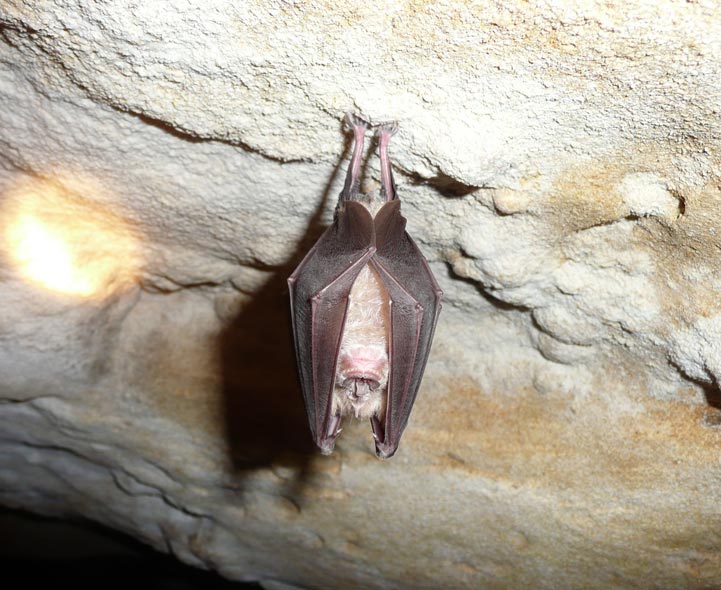
Photograph courtesy of Marie Jullion
Common Noctule
Hoary Bat
Greater Horseshoe Bat
Brandt's Bat
- Order: Chiroptera
- Family: Rhinolophidae
- Genus: Rhinolophus
- Species: R. ferrumequinum
- Spotted mostly in south Wales and south west England.
- Gets its name from the flap of skin around the nose.
- This flap is used as part of the echolocation system - rather like a dish on a satellite receiver!
8 .
Can you name this British mammal?
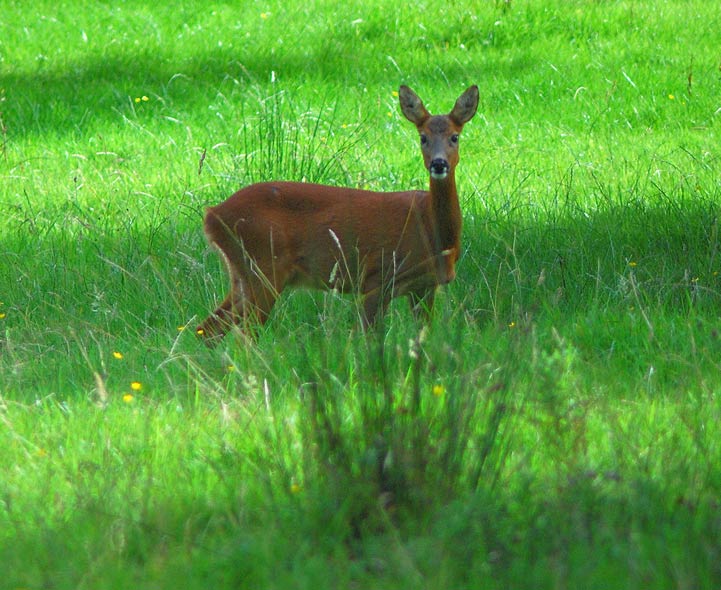
Photograph courtesy of James B Brown
Roe Deer
Fallow Deer
Sika Deer
Scottish Red Deer
- Order: Artiodactyla
- Family: Cervidae
- Genus: Capreolus
- Species: C. capreolus
- A native species to Britain.
- Habitat is open woodland and any place with plenty of cover.
- They have a short white tail.
- Monogamous and usually found in small groups rather than herds.
9 .
A Red Squirrel was used in a 1960s/1970s campaign to educate children about road safety. What was his name?
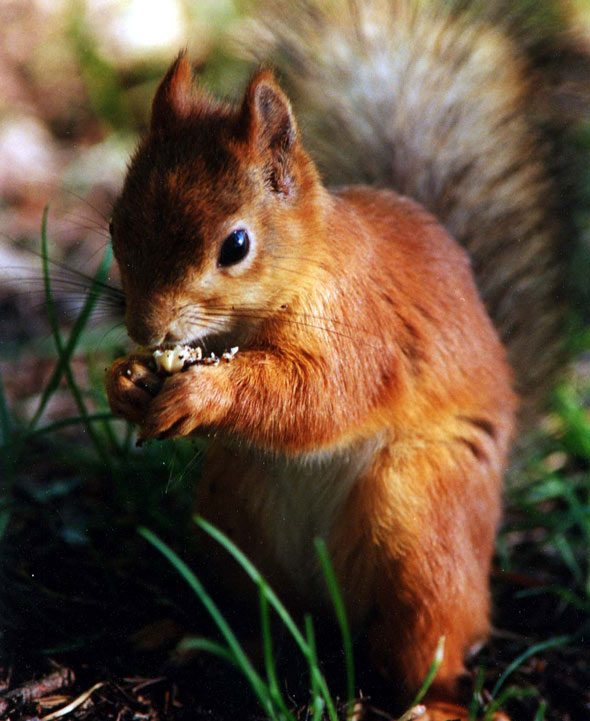
Photograph courtesy of Toivo Toivanen & Tiina Toppila
Nutkin
Basil
Bushy
Tufty
- Order: Rodentia
- Family: Sciuridae
- Genus: Sciurus
- Species: S. vulgaris
- A native of the UK, unlike the Grey Squirrel which was introduced.
- Rare in southern England.
- Very territorial and will fight aggressively to protect their 'patch'.
10 .
Can you name this British mammal?
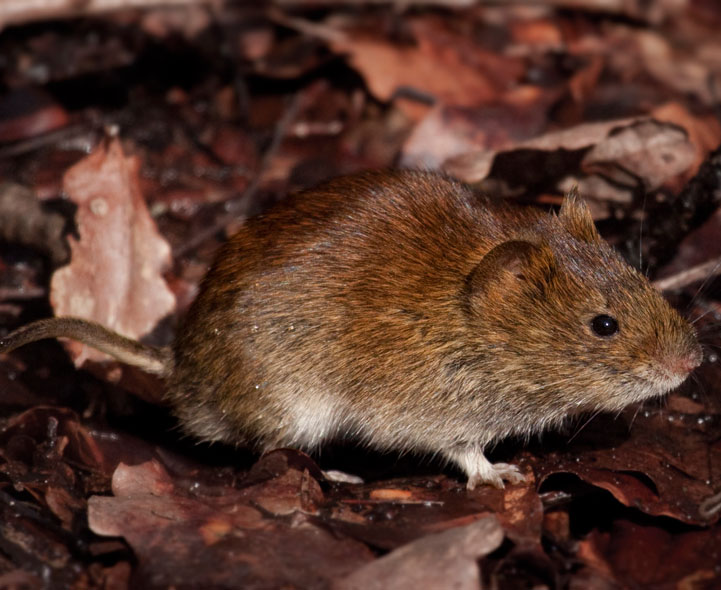
Photograph courtesy of Evan James hymo
Common Shrew
Water Shrew
Field Vole
Bank Vole
- Order: Rodentia
- Family: Cricetidae
- Genus: Myodes
- Species: M. glareolus
- The tail is nearly as long as the body.
- Can be spotted in hedgerows, banks and verges, especially in deciduous woodland.
- It has prominent ears and a chestnut-brown coat.



**Unlimited Quizzes Await You! 🚀**
Hey there, quiz champ! 🌟 You've already tackled today's free questions.
Ready for more?
Ready for more?
🔓 Unlock UNLIMITED Quizzes and challenge yourself every day. But that's
not all...
not all...
🔥 As a Subscriber you can join our thrilling "Daily Streak" against other
quizzers. Try to win a coveted spot on our Hall of Fame Page.
quizzers. Try to win a coveted spot on our Hall of Fame Page.
Don't miss out! Join us now and keep the fun rolling. 🎉
**Unlimited Quizzes Await You! 🚀**
Hey there, quiz champ! 🌟 You've already tackled today's free questions. Ready for more?
🔓 Unlock UNLIMITED Quizzes and challenge yourself every day. But that's not all...
🔥 As a Subscriber you can join our thrilling "Daily Streak" against other quizzers. Try to win a coveted spot on our Hall of Fame Page.
Don't miss out! Join us now and keep the fun rolling. 🎉




© Copyright 2016-2026 - Education Quizzes
Work Innovate Ltd - Design | Development |
Marketing
