




Ask the AI Tutor
Need help with Mammals - South American Mammals? Ask our AI Tutor!
AI Tutor - Lucy
Connecting with Tutor...
Please wait while we establish connection
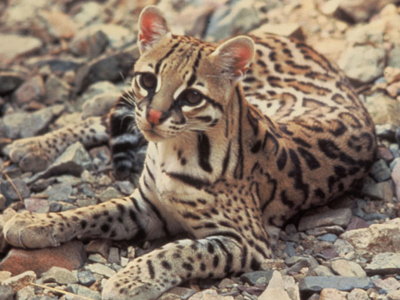
Salvador Dali had a pet ocelot. What was its name?
Mammals - South American Mammals
South America is home to rainforest hunters, mountain grazers and strange insect-eaters. This quiz explores famous mammals, where they live, and the clues that help you spot them.
To see a larger image, click on the picture.
1 .
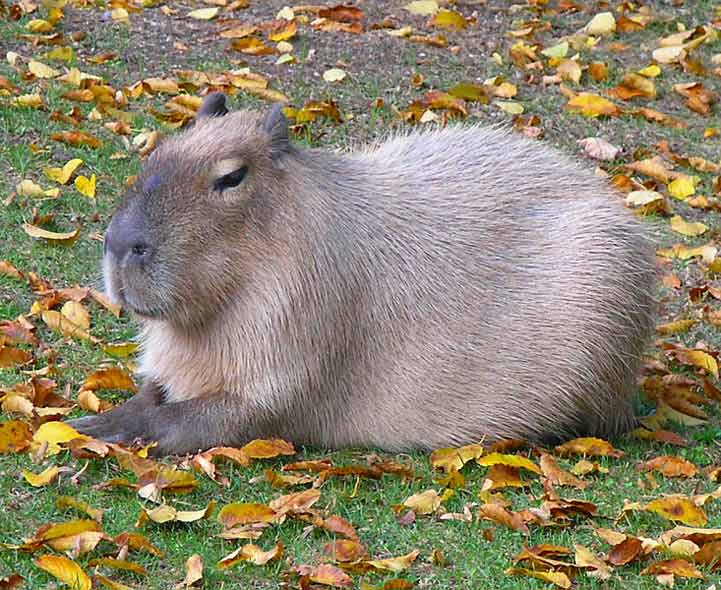
Can you identify this South American mammal?
Photograph courtesy of www.flickr.com/photos/verzo/
Agouti
Guinea pig
Chinchilla
Capybara
- Order: Rodentia
- Family: Caviidae
- Genus: Hydrochoerus
- Species: H. hydrochaeris
- It is the largest living rodent in the world.
- Its common name means 'master of the grasses'.
- A semi-aquatic mammal found wild in most of South America.
2 .
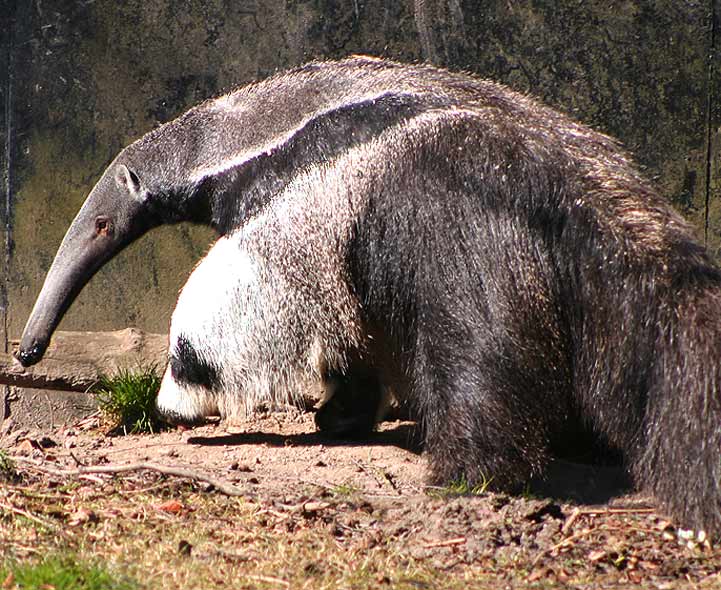
Can you identify this South American mammal?
Photograph courtesy of Malene Thyssen
Giant Armadillo
Silky Anteater
Southern Tamandua
Giant Anteater
- Order: Pilosa
- Family: Myrmecophagidae
- Genus: Myrmecophaga
- Species: M. tridactyla
- A solitary creature that has no teeth.
- Their average body temperature of 32.7oC is one of the lowest of all land-living mammals.
- Although it can swim, it stays mostly on dry land.
3 .
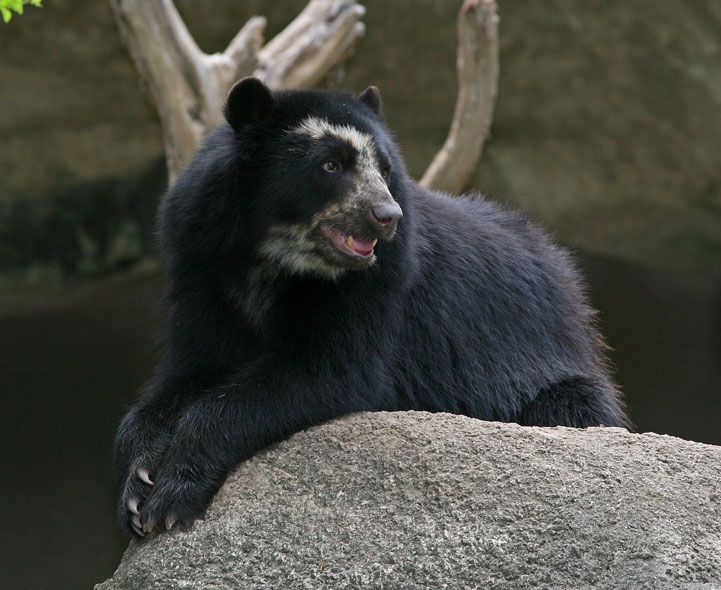
Can you identify this South American mammal?
Photograph courtesy of Tomfriedel
Speckled bear
White-face bear
Black bear
Spectacled bear
- Order: Carnivora
- Family: Ursidae
- Genus: Tremarctos
- Species: T. ornatus
- The only surviving species of bear native to South America.
- They are non-territorial and will react cautiously if encountered by humans.
- In traditional Chinese medicine, this bear's gall bladder is highly valued.
4 .
What is the collective name for a group of porcupines?
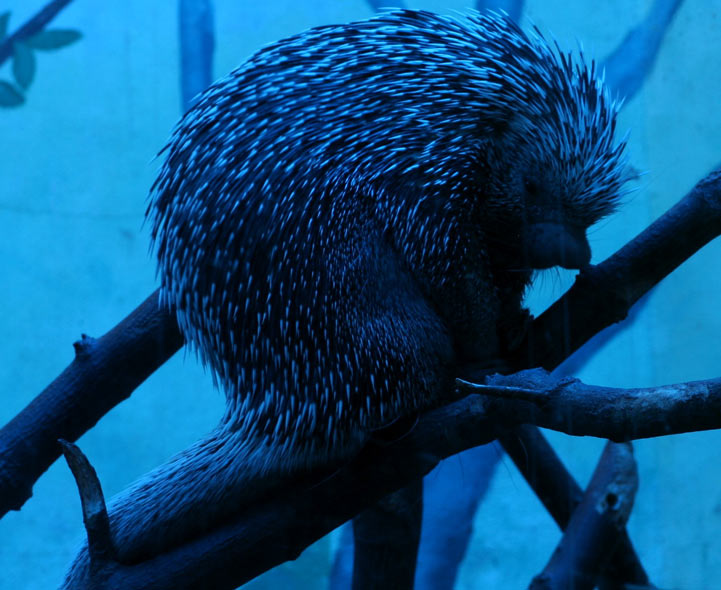
Photograph courtesy of Dave Pape
Arrow
Spike
Curling
Prickle
- Order: Rodentia
- Family: Erethizontidae
- Genus: Coendou
- Species: C. prehensilis
- Porcupine means 'one who rises up in anger'.
- They are expert climbers.
- Nocturnal and mostly solitary.
- The tail and face have no quills.
- Will stamp their hind feet when excited.
5 .
Can you identify this South American mammal?
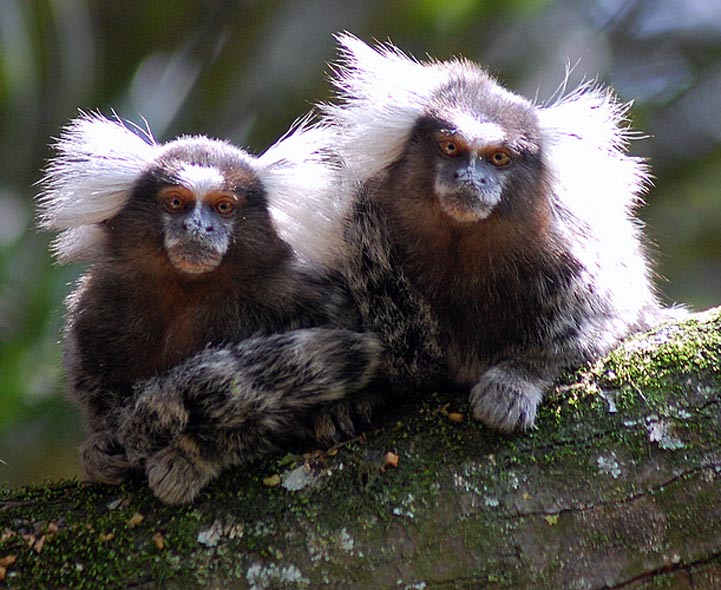
Photograph courtesy of Dario Sanches
Common Marmoset
Emperor Tamarin
Black Howler Monkey
Buffy Saki
- Order: Primates
- Family: Callitrichidae
- Genus: Callithrix
- Species: C. jacchus
- Native to Brazil.
- A small animal - the average height for a male is 188 mm (7.4 in).
- They can cling vertically to a tree, run across branches quadrupedally and leap between trees.
6 .
What is a Brown-throated Three-toed sloth's natural environment?
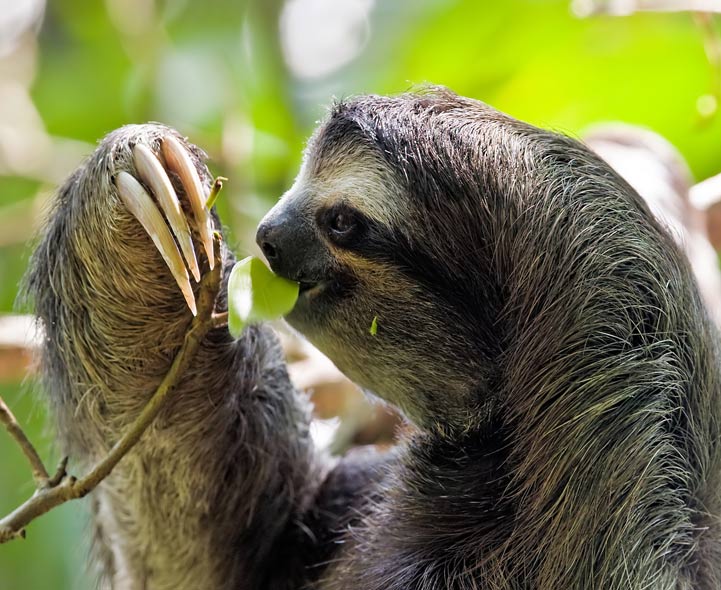
Photograph courtesy of Christian Mehlführer
Prairie
Jungle
Savanna
Woodland
- Order: Pilosa
- Family: Bradypodidae
- Genus: Bradypus
- Species: B. variegatus
- Has no incisor or canine teeth.
- In addition, this animal has no gall bladder or appendix.
- Most of its life is spent in the high branches of trees.
- It spends up to 18 hours a day asleep.
7 .
What is the name for a baby llama?
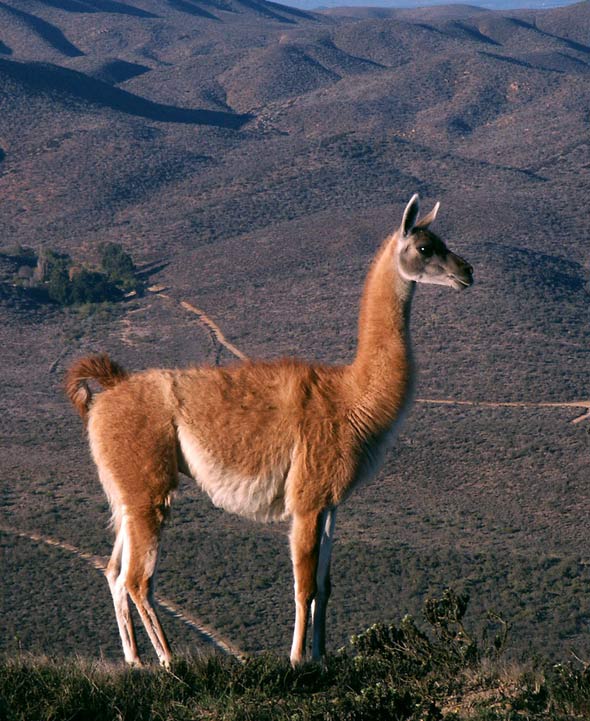
Photograph courtesy of www.flickr.com/photos/jpodlech/
Kid
Cria
Bambino
Llamaby
- Order: Artiodactyla
- Family: Camelidae
- Genus: Lama
- Species: L. glama
- Has a uniquely adapted foot that allows them to travel a variety of terrain.
- The foot is two-toed with a leathery pad on the bottom and curved nails.
- Communication is through a humming noise.
8 .
Salvador Dali had a pet ocelot. What was its name?
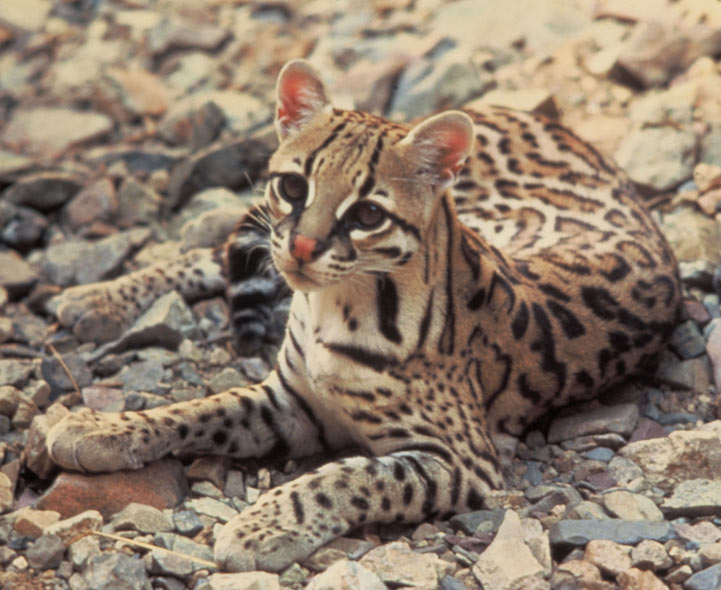
Photograph courtesy of http://digitalmedia.fws.gov/
Booboo
Baby
Babou
Bibby
- Order: Carnivora
- Family: Felidae
- Genus: Leopardus
- Species: L. pardalis
- A small wild cat.
- Mainly nocturnal and fiercely territorial.
- Inhabits places that have thick vegetation cover.
- Has been kept as a pet.
9 .
Can you identify this South American mammal?
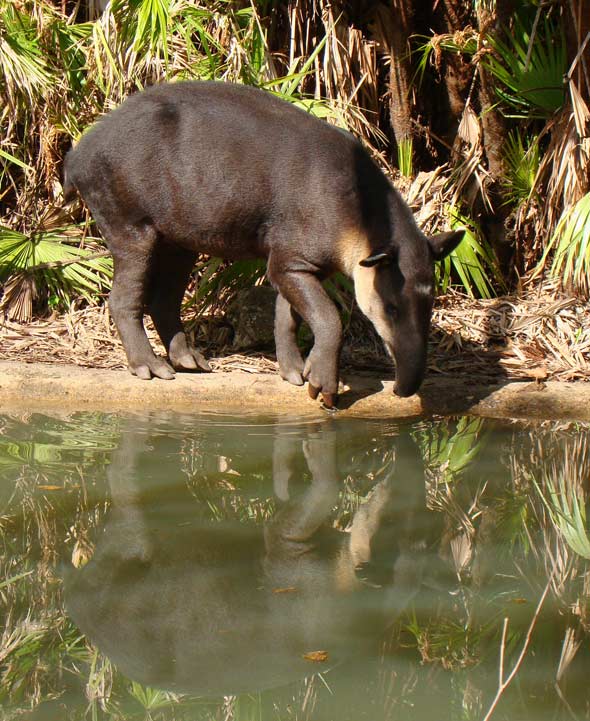
Photograph courtesy of Bjørn Christian Tørrissen
Baird's Tapir
Mountain Tapir
South American Tapir
Malayan Tapir
- Order: Perissodactyla
- Family: Tapiridae
- Genus: Tapirus
- Species: T. bairdii
- A group of this animal is called a 'candle'.
- Babies are born with a dappled pattern on their skin.
- Closest living relatives are horses and rhinos.
- Habitat is forests and grasslands.
10 .
Can you identify this South American mammal?
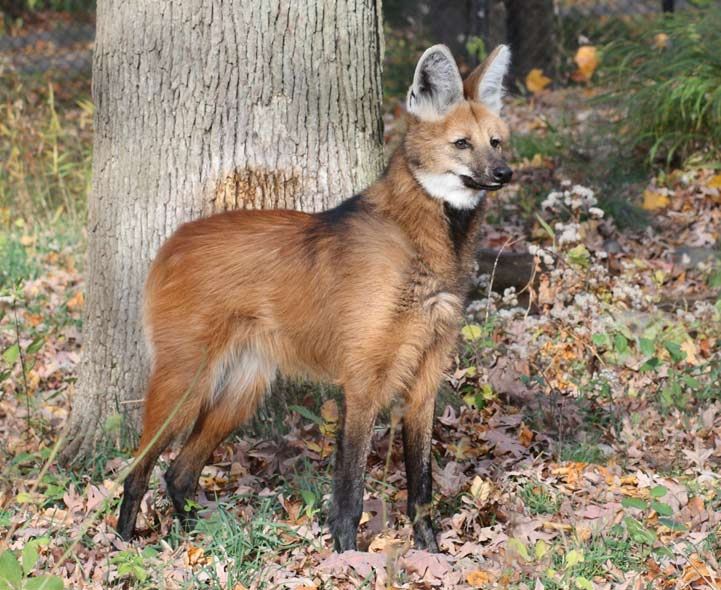
Photograph courtesy of http://ragesoss.com/blog/
Maned Wolf
Hoary Fox
Bush Dog
Gray Fox
- Order: Carnivora
- Family: Canidae
- Genus: Chrysocyon
- Species: C. brachyurus
- Has been called a 'red fox on stilts'.
- Its urine has a distinctive smell which has been likened to cannabis.
- Hunts alone and doesn't form packs.
- A shy animal that will run away if alarmed.



**Unlimited Quizzes Await You! 🚀**
Hey there, quiz champ! 🌟 You've already tackled today's free questions.
Ready for more?
Ready for more?
🔓 Unlock UNLIMITED Quizzes and challenge yourself every day. But that's
not all...
not all...
🔥 As a Subscriber you can join our thrilling "Daily Streak" against other
quizzers. Try to win a coveted spot on our Hall of Fame Page.
quizzers. Try to win a coveted spot on our Hall of Fame Page.
Don't miss out! Join us now and keep the fun rolling. 🎉
**Unlimited Quizzes Await You! 🚀**
Hey there, quiz champ! 🌟 You've already tackled today's free questions. Ready for more?
🔓 Unlock UNLIMITED Quizzes and challenge yourself every day. But that's not all...
🔥 As a Subscriber you can join our thrilling "Daily Streak" against other quizzers. Try to win a coveted spot on our Hall of Fame Page.
Don't miss out! Join us now and keep the fun rolling. 🎉




© Copyright 2016-2026 - Education Quizzes
Work Innovate Ltd - Design | Development |
Marketing
