




Ask the AI Tutor
Need help with Plants - British Trees? Ask our AI Tutor!
AI Tutor - Lucy
Connecting with Tutor...
Please wait while we establish connection
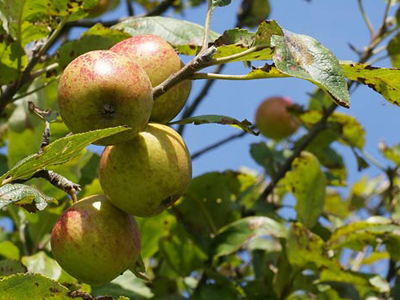
The fruit from this tree is sour, but can be made into a tasty jelly.
Plants - British Trees
British trees shape woodlands, parks and hedgerows. Learn how to spot them by leaves, buds and bark, and discover why trees matter for wildlife.
To see a larger image, click on the picture.
1 .
Can you identify this British tree?
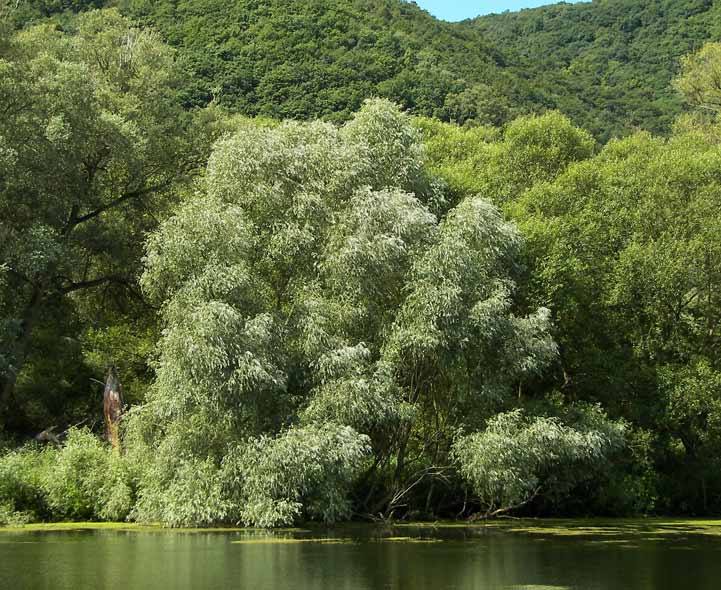
Photograph courtesy of Willow
Common Beech
White Willow
Oak
Common Hawthorn
- Order: Malpighiales
- Family: Salicaceae
- Genus: Salix
- Species: S. alba
- A beautiful and widespread tree, often seen by streams and rivers.
- The wood is used for fences and baskets, however it is mostly well-known for its use as cricket bats.
- The bark tends to be grey-brown with deep fissures.
2 .
Can you identify this British tree?
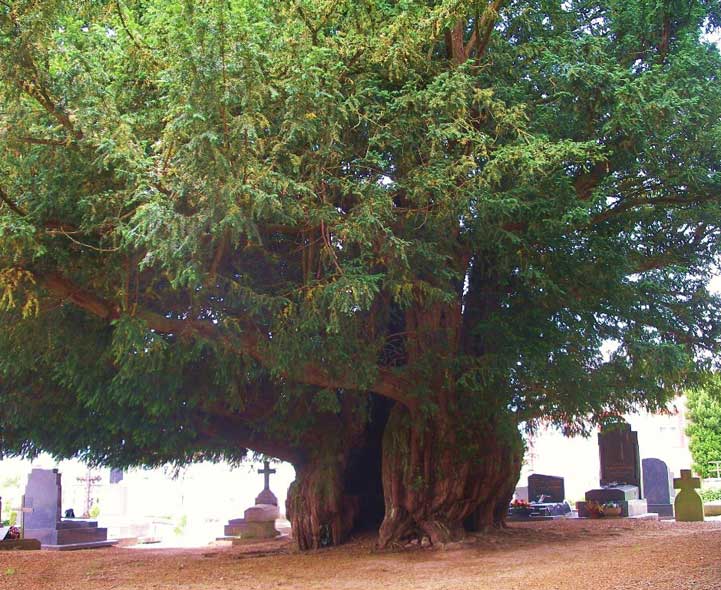
Photograph courtesy of Roi.dagobert
Yew
White Willow
Ash
Oak
- Order: Pinales
- Family: Taxaceae
- Genus: Taxus
- Species: T. baccata
- An evergreen tree with a bulbous and somewhat split trunk.
- The bark, cut foliage and seeds are poisonous.
- Studies of this tree found in churchyards reveal that some could well be over 4,000 years old!
3 .
Can you identify this British tree?
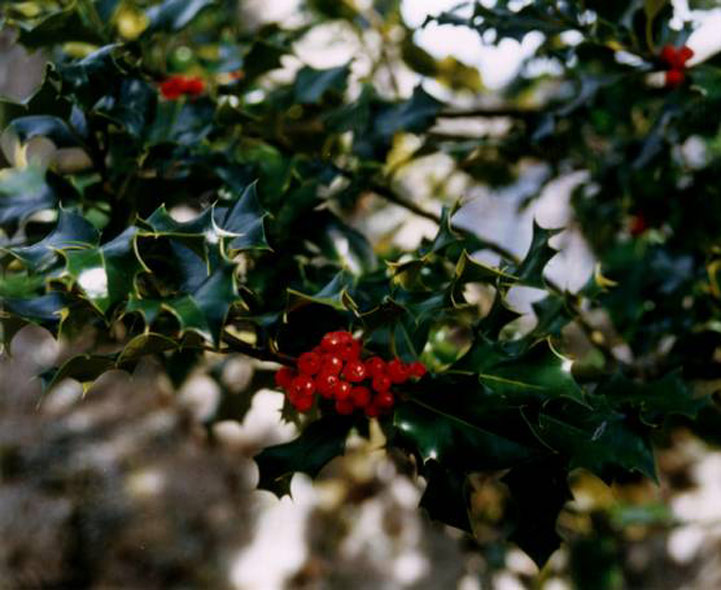
Photograph courtesy of Eleagnus
Common Beech
Holly
Yew
Wych Elm
- Order: Aquifoliales
- Family: Aquifoliaceae
- Genus: Ilex
- Species: I. aquifolium
- A very popular Christmas decoration.
- The leaves are hairless, prickly and dark green.
- Only the females produce the bright red berries.
- These berries are poisonous to humans if eaten, but birds love them!
4 .
Can you identify this British tree?
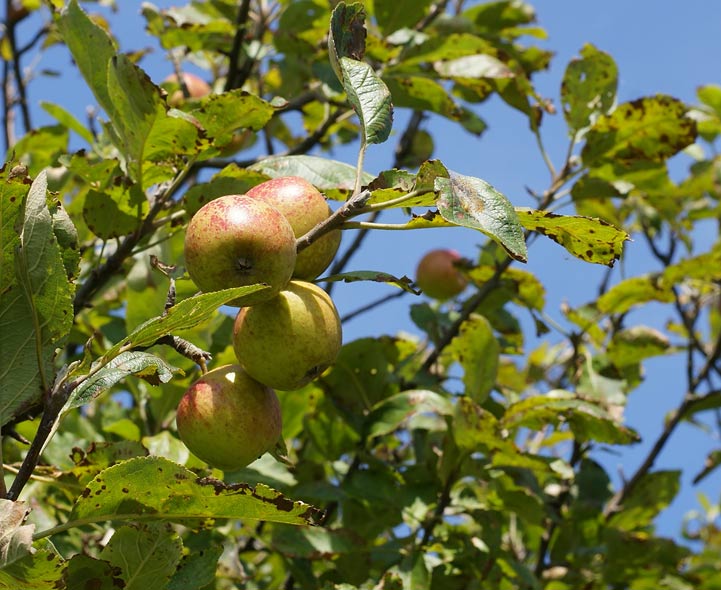
Photograph courtesy of Hans Hillewaert
Sycamore
Holly
Wych Elm
Crab Apple
- Order: Rosales
- Family: Rosaceae
- Genus: Malus
- Species: M. sylvestris
- This tree's flowers are a delicate pale pink to white colour.
- Does not grow on acid soil.
- The fruit is sour, but can be made into a tasty jelly.
- It rarely grows higher than 8 metres.
5 .
Can you identify this British tree?
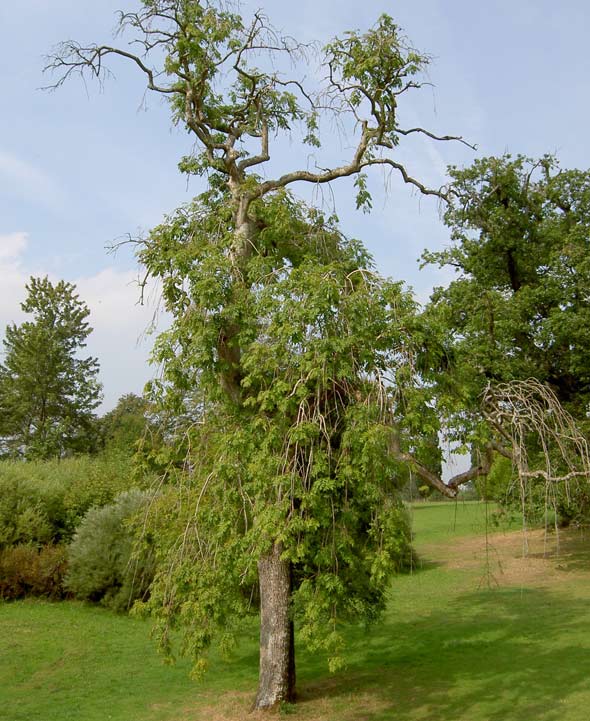
Photograph courtesy of Flynnbar
Ash
Yew
Rowan
Field Maple
- Order: Lamiales
- Family: Oleaceae
- Genus: Fraxinus
- Species: F. excelsior
- Its preferred habitat is woods and hedgerows.
- Grows well on lime-rich and heavy soils.
- Has a single trunk and can grow up to 40 metres.
- Its wood is tough and is used to make oars, hockey sticks and skis among other things.
6 .
Can you identify this British tree?
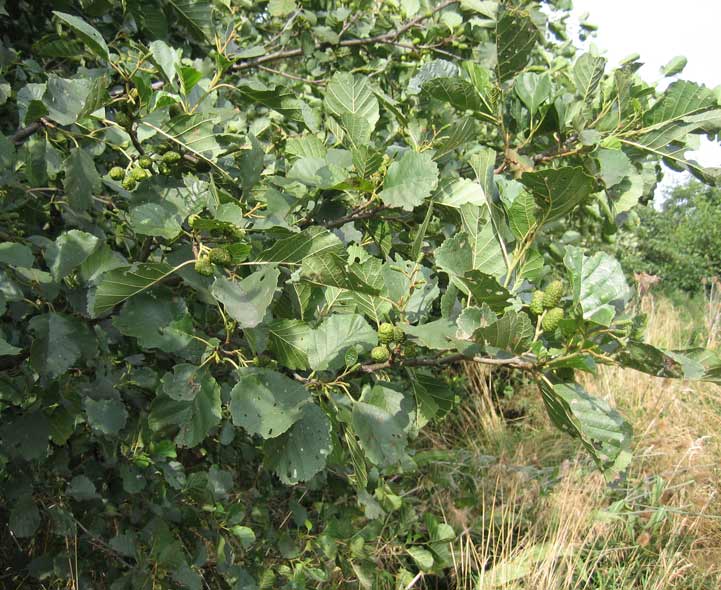
Photograph courtesy of MPF
Common Hawthorn
Field Maple
Alder
Oak
- Order: Fagales
- Family: Betulaceae
- Genus: Alnus
- Species: A. glutinosa
- A deciduous tree which grows along streams and in marshland.
- This tree has a rough bark.
- The charcoal from this species was used for gunpowder until the 1940s.
- Clogs and toys are made from its wood.
7 .
Can you identify this British tree?
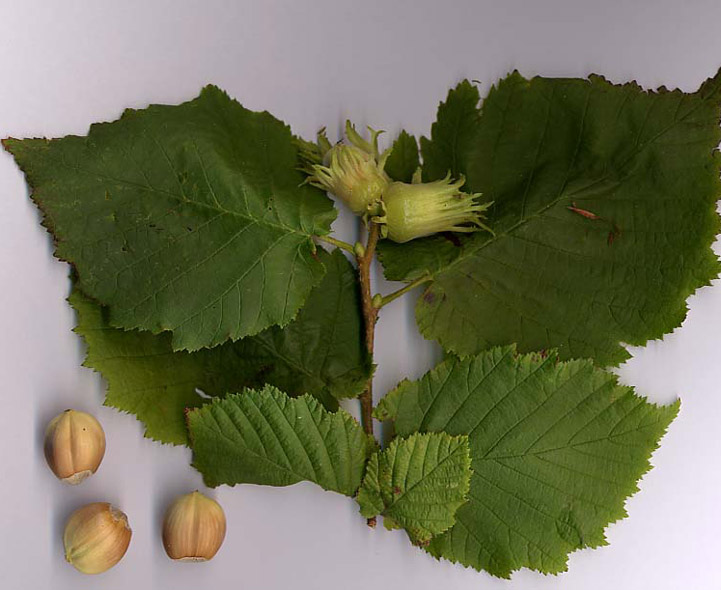
Photograph courtesy of MPF
Common Hawthorn
Field Maple
Common Hazel
Ash
- Order: Fagales
- Family: Betulaceae
- Genus: Corylus
- Species: C. avellana
- Flowers appear before the leaves between the months of January to April.
- Male flowers are catkins.
- The nuts are a food source for squirrels, mice and birds.
- The wood can be used for thatching.
8 .
Can you identify this British tree?
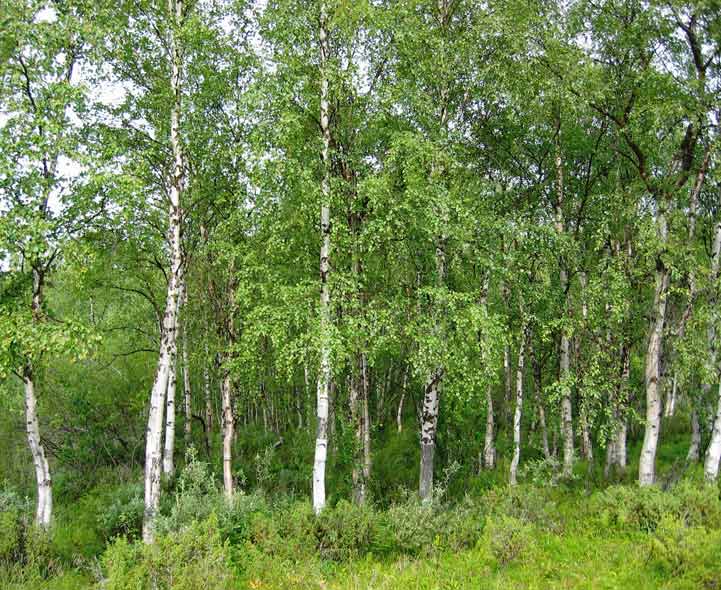
Photograph courtesy of www.flickr.com/photos/dittmars/
Sycamore
Crab Apple
Ash
Silver Birch
- Order: Fagales
- Family: Betulaceae
- Genus: Betula
- Species: B. pendula
- Makes an attractive garden tree.
- Has a white bark with diamond-shaped black marks.
- A valuable tree for wildlife as it supports over 200 species of insect.
- The twigs are used for making brooms and jumps for horse racecourses.
9 .
Can you identify this British tree?
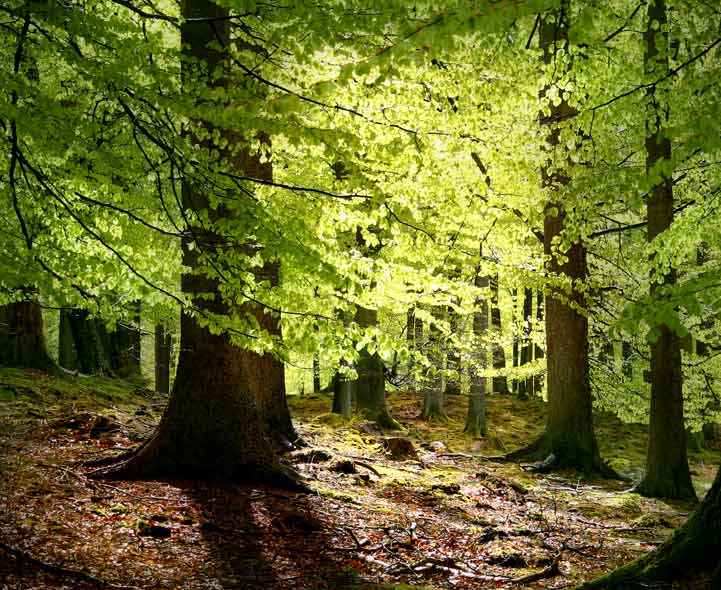
Photograph courtesy of Malene Thyssen
Silver Birch
Alder
Common Beech
Black Poplar
- Order: Fagales
- Family: Fagaceae
- Genus: Fagus
- Species: F. sylvatica
- A tall tree with a straight trunk.
- It prefers lime-rich soils.
- Because it can be turned easily, this tree's wood is perfect for making chairs.
- Chairmakers used to be known as 'bodgers' in the Chilterns.
10 .
Can you identify this British tree?
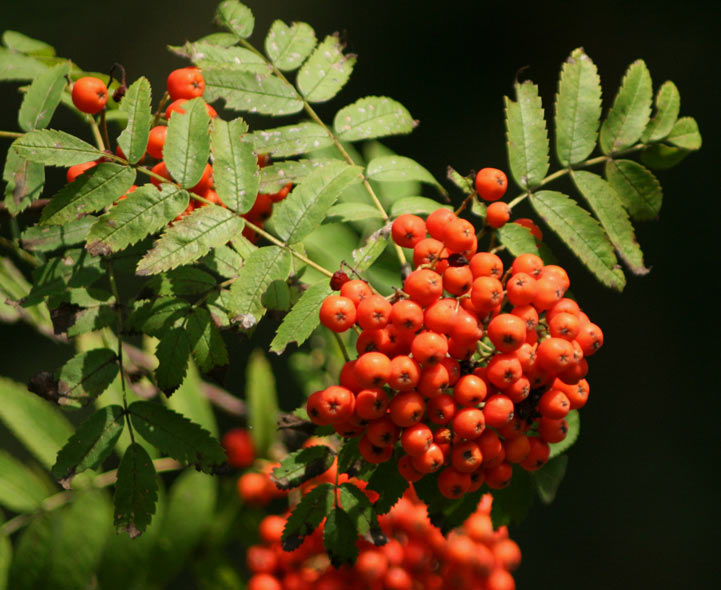
Photograph courtesy of Pleple2000
Rowan
Yew
Holly
Black Poplar
- Order: Rosales
- Family: Rosaceae
- Genus: Sorbus
- Species: S. aucuparia
- It can grow at altitudes of 1,000 metres above sea level, the highest of our trees.
- Berries are yellow to begin with, then ripen to a bright red colour.
- The name derives from a Norse word meaning a charm. It was often planted outside houses to ward off witches.



**Unlimited Quizzes Await You! 🚀**
Hey there, quiz champ! 🌟 You've already tackled today's free questions.
Ready for more?
Ready for more?
🔓 Unlock UNLIMITED Quizzes and challenge yourself every day. But that's
not all...
not all...
🔥 As a Subscriber you can join our thrilling "Daily Streak" against other
quizzers. Try to win a coveted spot on our Hall of Fame Page.
quizzers. Try to win a coveted spot on our Hall of Fame Page.
Don't miss out! Join us now and keep the fun rolling. 🎉
**Unlimited Quizzes Await You! 🚀**
Hey there, quiz champ! 🌟 You've already tackled today's free questions. Ready for more?
🔓 Unlock UNLIMITED Quizzes and challenge yourself every day. But that's not all...
🔥 As a Subscriber you can join our thrilling "Daily Streak" against other quizzers. Try to win a coveted spot on our Hall of Fame Page.
Don't miss out! Join us now and keep the fun rolling. 🎉




© Copyright 2016-2026 - Education Quizzes
Work Innovate Ltd - Design | Development |
Marketing
