




Ask the AI Tutor
Need help with Plants - Trees of the World? Ask our AI Tutor!
AI Tutor - Lucy
Connecting with Tutor...
Please wait while we establish connection
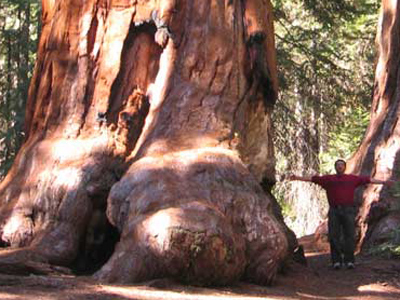
A closer look at the man stood next to this enormous tree.
Plants - Trees of the World
Trees come in every shape and climate, from deserts to rainforests. Explore how different trees survive, reproduce, and shape habitats across the world.
To see a larger image, click on the picture.
1 .
Can you identify this tree?
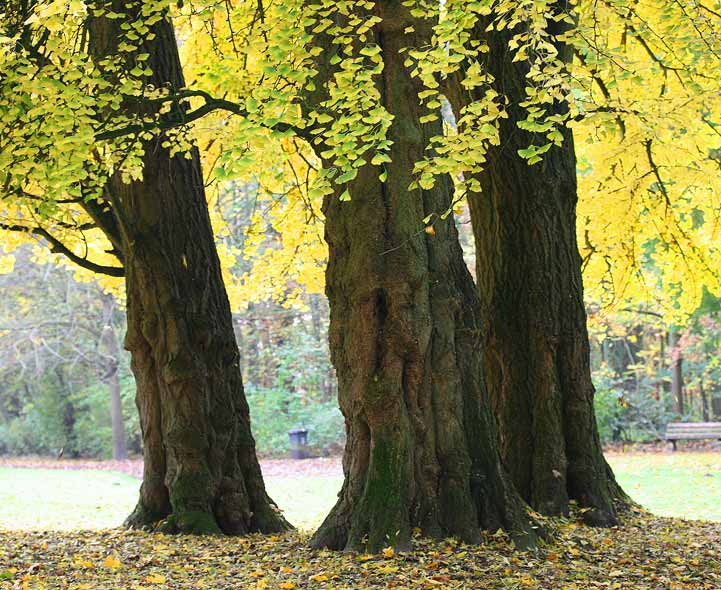
Photograph courtesy of Jean-Pol GRANDMONT
Ginkgo biloba
Joshua tree
Jack Pine
Baobab
- Order: Ginkgoales
- Family: Ginkgoaceae
- Genus: Ginkgo
- Species: G. biloba
- A unique species of tree with no close living relatives.
- Also known as the Maidenhair Tree.
- Is effective in treating dementia.
- The nuts are used in congee, a type of rice porridge eaten in Asian countries.
2 .
Can you identify this tree?
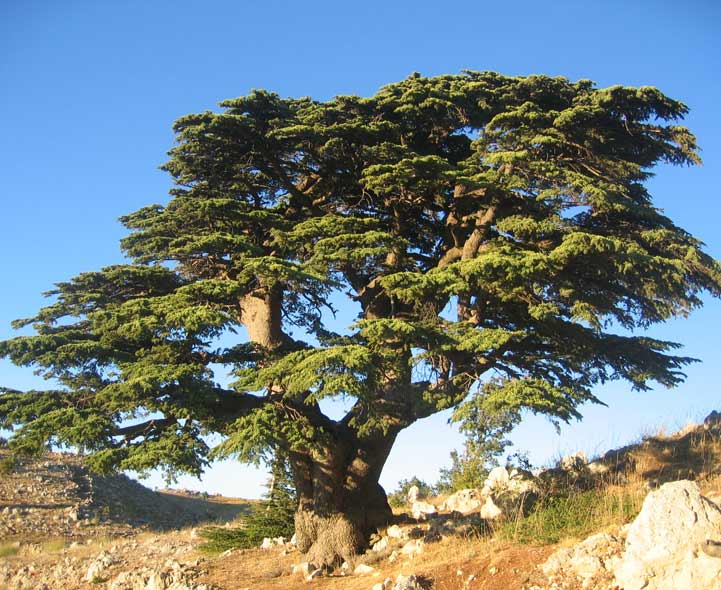
Photograph courtesy of Olivier BEZES
Baobab
Swamp Cypress
Lebanon cedar
Wych Elm
- Order: Pinales
- Family: Pinaceae
- Genus: Cedrus
- Species: C. liban
- This species forms forests at high altitudes.
- Ancient Egyptians used its resin in mummification.
- Its sawdust has been found in the tombs of Egyptian Pharaohs.
- Isiah, the Hebrew prophet, used this tree as a metaphor for the pride of the world.
3 .
What are miniature trees such as this known as?
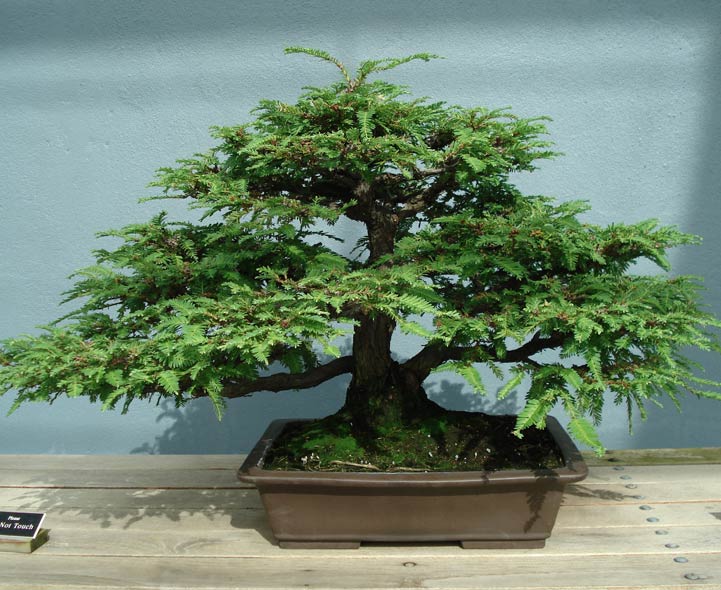
Photograph courtesy of Jeffrey O. Gustafson
Origami
Bonsai
Coppice
Sushimi
- A Japanese art form involving miniature trees.
- The tradition goes back over a thousand years.
- In the 1800s, these trees were displayed at Meiji Palace for the Emperor.
- This art form has spread worldwide.
- In a traditional Japanese home, this tree is placed on the formal display alcove.
4 .
Can you identify this tree?
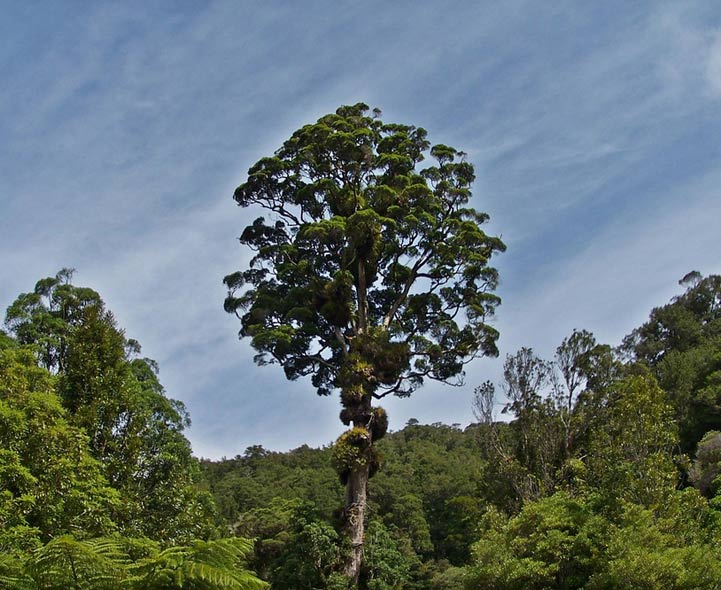
Photograph courtesy of Callum O'Hagan
Honey Locust
White Mulberry
Giant redwood
Northern rata
- Order: Myrtales
- Family: Myrtaceae
- Genus: Metrosideros
- Species: M. robusta
- A massive forest tree of New Zealand.
- It grows on another tree, eventually killing the host tree.
- This means that its trunk is always hollow.
- Its biggest threat is the possum.
5 .
Can you identify this tree?
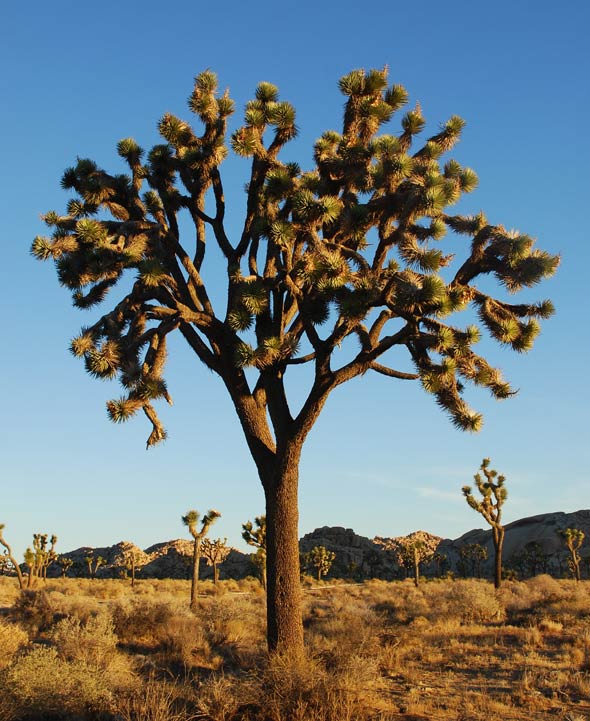
Photograph courtesy of © Jarek Tuszynski
Lebanon Cedar
Wych Elm
Joshua tree
Palm tree
- Order: Asparagales
- Family: Asparagaceae
- Genus: Yucca
- Species: Y. brevifolia
- Native to southwestern North America.
- Mainly found in the Mojave Desert.
- The trunk doesn't have growth rings making it hard to determine the age.
- Has an extensive root system - some roots can be as far away as 11 m (36 ft).
6 .
Can you identify this tree?
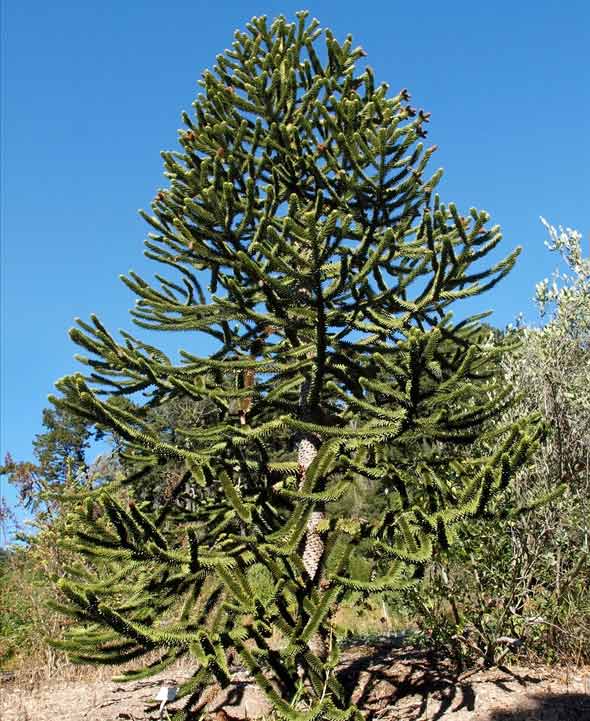
Photograph courtesy of Ingrid Taylar
Monkey-puzzle
Palm
Sweetgum
Eucalyptus
- Order: Pinales
- Family: Araucariaceae
- Genus: Araucaria
- Species: A. araucana
- An evergreen that can grow to 40 metres (130 ft).
- Sometimes referred to as a 'living fossil' because of the age of the species.
- It is the national tree of Chile.
- The seeds are edible, although the tree doesn't produce seeds until it is approximately 30 years old.
7 .
Can you identify this tree?
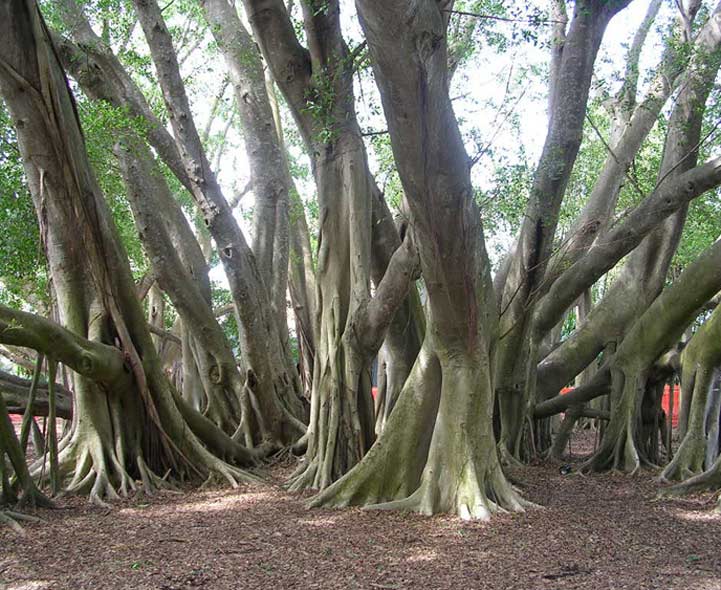
Photograph courtesy of roger4366
Banyan
Joshua tree
Ginkgo biloba
Drooping Juniper
- Order: Rosales
- Family: Moraceae
- Genus: Ficus
- Species: F. benghalensis
- Native to the Indian subcontinent.
- Also known as Bengal fig.
- It is seen as sacred in India and temples are placed underneath it.
- Has a large and deep shade - perfect for escaping the heat of the sun.
8 .
Can you identify this tree?
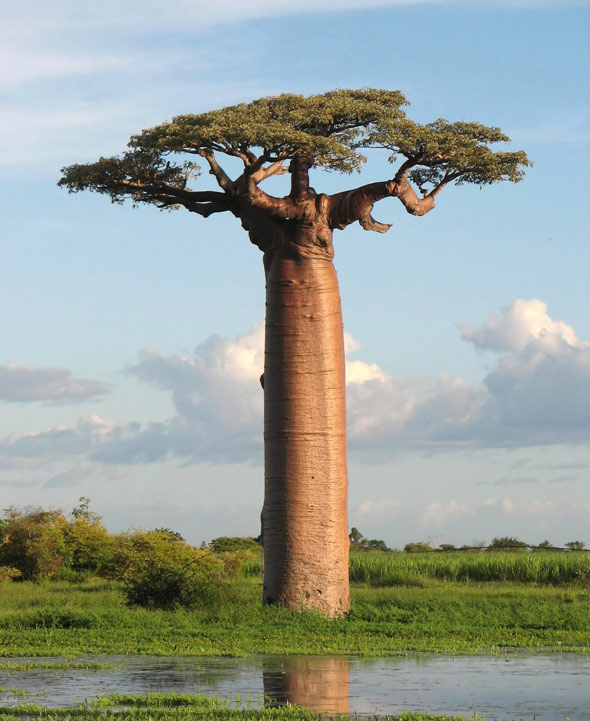
Photograph courtesy of Bernard Gagnon
Eucalyptus
Norway Spruce
White Mangrove
Baobab
- Order: Malvales
- Family: Malvaceae
- Subfamily: Bombacoideae
- Genus: Adansonia
- Also known as bottle tree, upside-down tree and monkey bread tree.
- These trees store water inside their swollen trunks.
- In 'The Lion King' Rafiki makes his home in this tree.
9 .
Can you identify this tree?
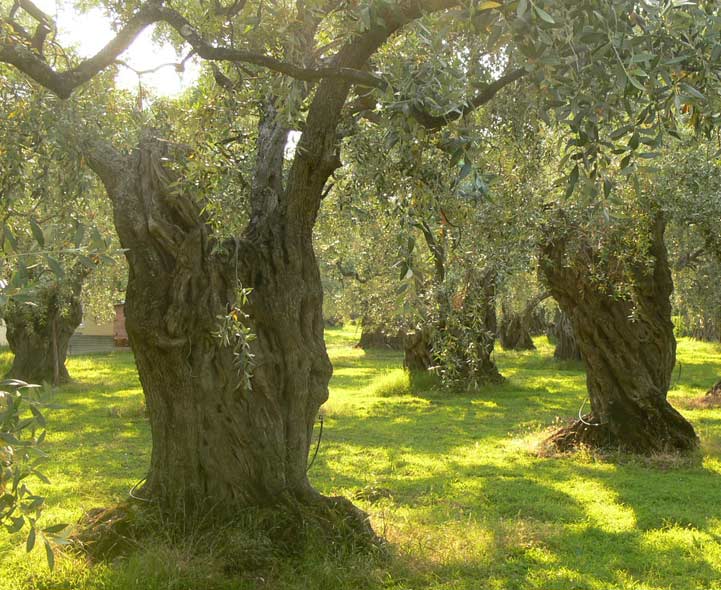
Photograph courtesy of Petr Pakandl
African Cypress
Field Maple
Olive
Blue Pine
- Order: Lamiales
- Family: Oleaceae
- Genus: Olea
- Species: O. europaea
- A short and somewhat squat tree.
- The trunk tends to be twisted and gnarled.
- The tree and its fruit are mentioned over 30 times in the Bible.
10 .
Can you identify this tree?
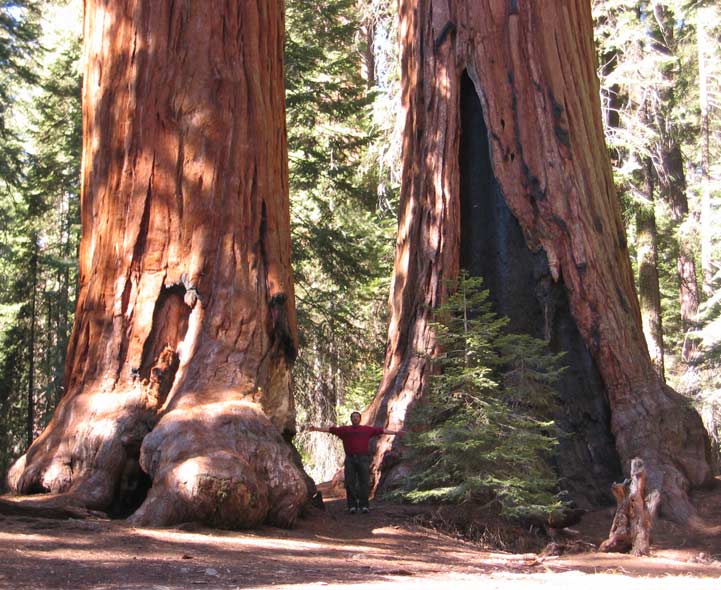
Photograph courtesy of Aronlevin
Giant redwood
Ginkgo biloba
Black Poplar
Balsam Fir
- Order: Pinales
- Family: Cupressaceae
- Genus: Sequoiadendron
- Species: S. giganteum
- These tall trees grow to approximately 50-85 metres (160-279 ft) on average!
- The oldest tree of this kind is 3,500 years.
- Its wood was used for fence posts and matchsticks as it is brittle.
- Can be seen at the Royal Botanic Gardens at Kew in London.



**Unlimited Quizzes Await You! 🚀**
Hey there, quiz champ! 🌟 You've already tackled today's free questions.
Ready for more?
Ready for more?
🔓 Unlock UNLIMITED Quizzes and challenge yourself every day. But that's
not all...
not all...
🔥 As a Subscriber you can join our thrilling "Daily Streak" against other
quizzers. Try to win a coveted spot on our Hall of Fame Page.
quizzers. Try to win a coveted spot on our Hall of Fame Page.
Don't miss out! Join us now and keep the fun rolling. 🎉
**Unlimited Quizzes Await You! 🚀**
Hey there, quiz champ! 🌟 You've already tackled today's free questions. Ready for more?
🔓 Unlock UNLIMITED Quizzes and challenge yourself every day. But that's not all...
🔥 As a Subscriber you can join our thrilling "Daily Streak" against other quizzers. Try to win a coveted spot on our Hall of Fame Page.
Don't miss out! Join us now and keep the fun rolling. 🎉




© Copyright 2016-2026 - Education Quizzes
Work Innovate Ltd - Design | Development |
Marketing
