




Ask the AI Tutor
Need help with Plants - Wildflowers 3? Ask our AI Tutor!
AI Tutor - Lucy
Connecting with Tutor...
Please wait while we establish connection
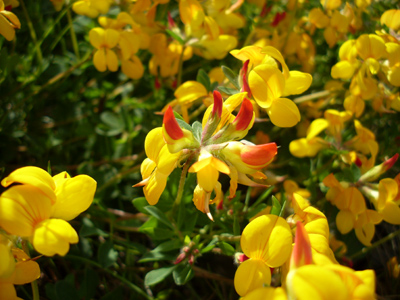
This is one of the most common members of the pea family.
Plants - Wildflowers 3
Bluebells, orchids and meadow flowers all have clues in their leaves, stems and habitats. Test your plant spotting skills and learn how wildflowers fit into ecosystems.
To see a larger image, click on the picture.
1 .
Can you identify this wildflower?
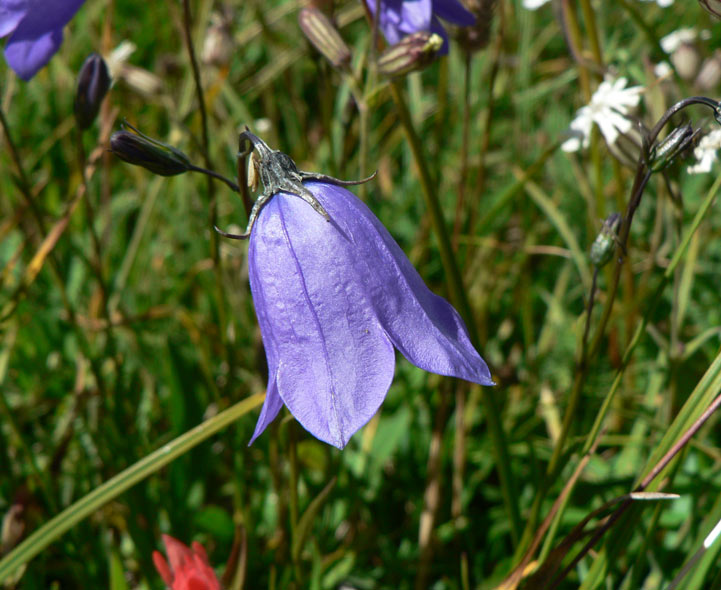
Photograph courtesy of Walter Siegmund
Heather
Germander Speedwell
Harebell
Cornflower
- Order: Asterales
- Family: Campanulaceae
- Genus: Campanula
- Species: C. rotundifolia
- Grows most often on rocks, in pastures and at the edges of forests.
- Is occasionally found with white flowers.
- A strong wind can flick the seeds several metres away from the mother plant.
2 .
Can you identify this wildflower?
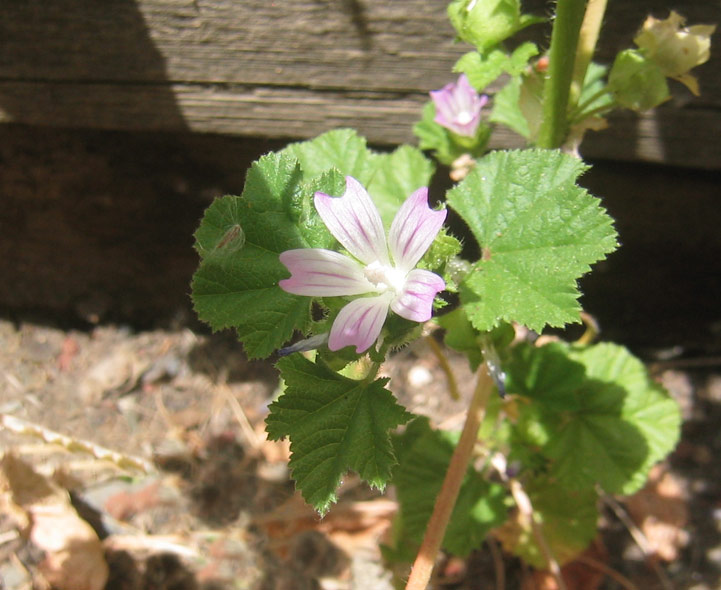
Photograph courtesy of carol
Dwarf Mallow
Bladder Campion
Shepherd's Purse
Spurge
- Order: Malvales
- Family: Malvaceae
- Genus: Malva
- Species: M. neglecta
- The fruits of this plant are colloquially known as 'cheeses'.
- A useful herb, it contains a substance said to heal inflammations of the stomach and intestine.
- It particularly likes soils rich in nitrogen.
3 .
Can you identify this wildflower?
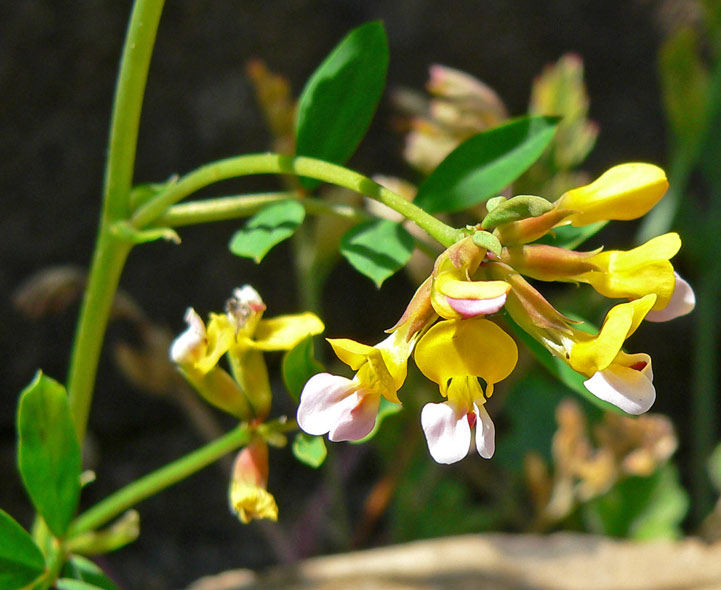
Photograph courtesy of Fredrik Lähnn at Wikipedia
Great Hairy Willow-herb
Meadow Vetchling
Birdsfoot-trefoil
Wood Anemone
- Order: Fabales
- Family: Fabaceae
- Genus: Lotus
- One of the most common members of the pea family.
- A profusely blooming double-flowered form is sometimes cultivated in gardens.
- A good fodder plant both for cutting and grazing.
4 .
Can you identify this wildflower?
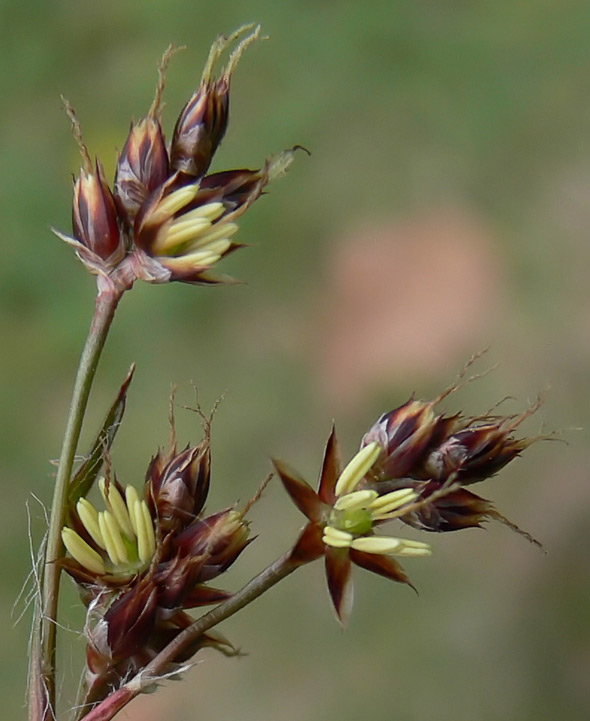
Photograph courtesy of www.imagines-plantarum.de/
Sweep's Brush
Harebell
St John's wort
Ragged Robin
- Order: Poales
- Family: Juncaceae
- Genus: Luzula
- Species: L. campestris
- Also known as Field Woodrush.
- It is a member of the Rush family.
- It flowers on grassy, lowland slopes and mountain sides in early Spring.
5 .
Can you identify this wildflower?
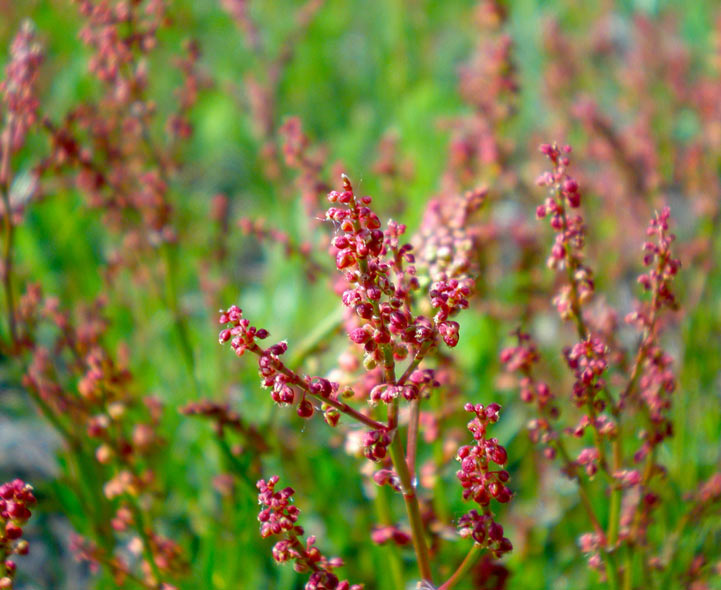
Photograph courtesy of www.flickr.com/photos/notjake13/
Sheep's Sorrel
Coltsfoot
Scarlet Pimpernel
Aaron's Rod
- Order: Caryophyllales
- Family: Polygonaceae
- Genus: Rumex
- Species: R. acetosella
- This plant is a good indicator of poor, sandy, acid soils.
- It needs plenty of light to thrive well.
- Has an extensive root system that forms numerous buds, giving rise to new plants.
6 .
Can you identify this wildflower?
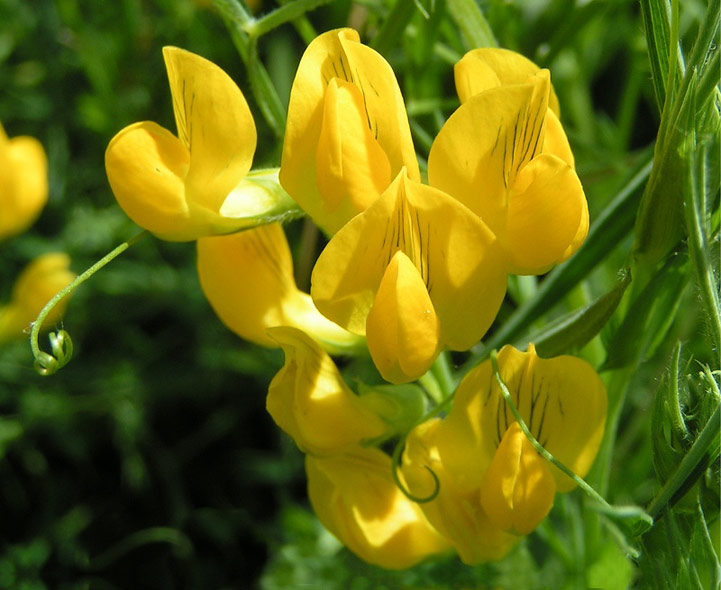
Photograph courtesy of Sannse
Yarrow
Field Bindweed
Birdsfoot-trefoil
Meadow Vetchling
- Order: Fabales
- Family: Fabaceae
- Genus: Lathyrus
- Species: L. pratensis
- The stems of this plant can grow up to 120 cms, provided they have a firm support to which they can cling with their tendrils.
- Infusions made from stems and leaves can sooth coughs and chronic bronchitis.
7 .
Can you identify this wildflower?
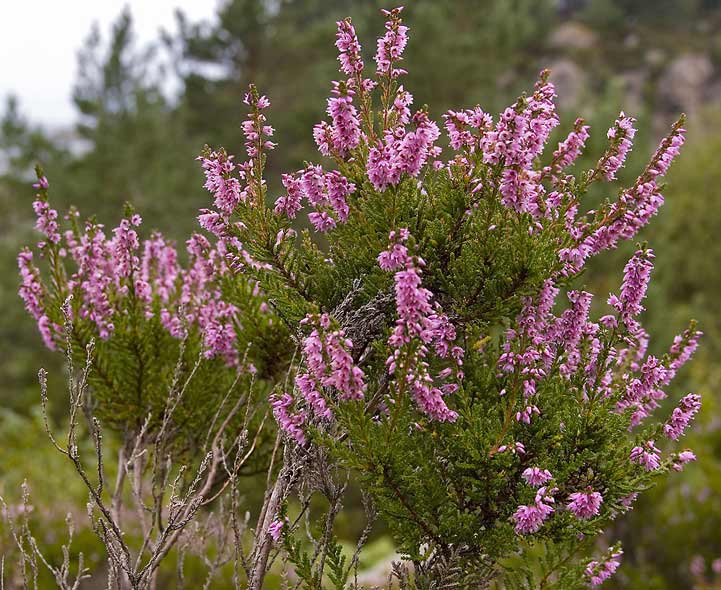
Photograph courtesy of Aqwis
Cornflower
Kingcup
Spurge
Heather
- Order: Ericales
- Family: Ericaceae
- Genus: Calluna
- Species: C. vulgaris
- Grows in pine and oak forests on acid soils, in old peat bogs and on moorlands.
- Its roots live in association with certain species of fungi, without which it is unable to function.
8 .
Can you identify this wildflower?
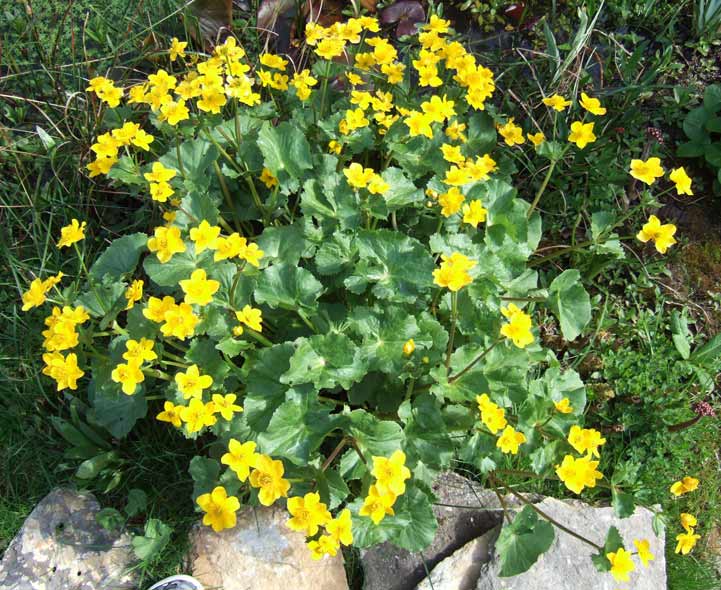
Photograph courtesy of Jasper33
Kingcup
Toadflax
Wild Mustard
Cowslip
- Order: Ranunculales
- Family: Ranunculaceae
- Genus: Caltha
- Species: C. palustris
- A moist-loving plant which can be seen in spring and autumn, given favourable weather conditions.
- Its juice has a sharp taste and is avoided by cattle.
- In olden days, unopened flower-buds preserved in vinegar were a replacement of capers.
9 .
Can you identify this wildflower?
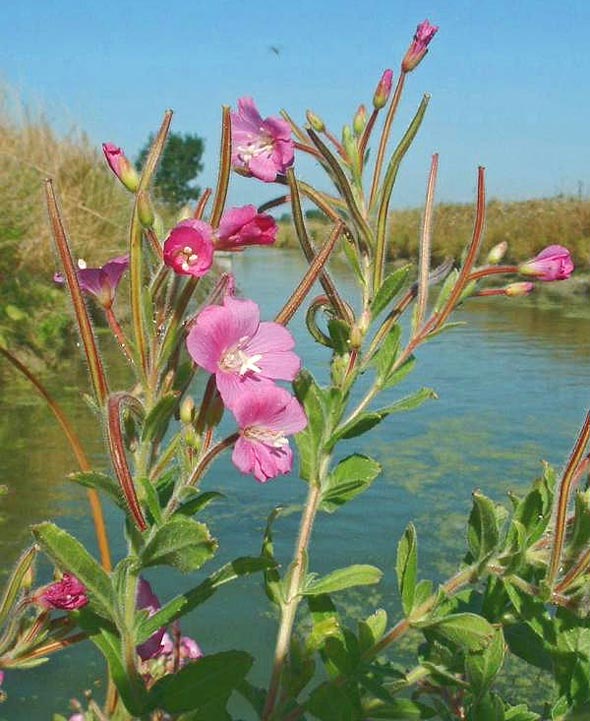
Photograph courtesy of Jeffdelonge
Toadflax
Ox-eye Daisy
Great Hairy Willow-herb
Wood Anemone
- Order: Myrtales
- Family: Onagraceae
- Genus: Epilobium
- Species: E. hirsutum
- Often forms colonies along banks of rivers, streams, canals and ponds.
- Prefers calcareous soils and its flowers produce a large quantity of nectar.
- In Ancient Greece, its roots were said to have the power to tame any wild animal.
10 .
Can you identify this wildflower?
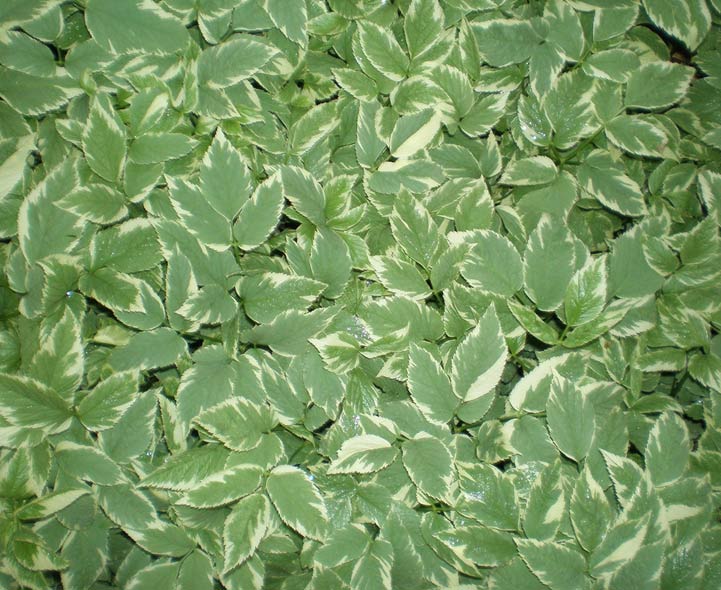
Photograph courtesy of www.flickr.com/photos/kazandrew/
Water Forget-me-not
Ground Elder
Lady's Smock
Mouse-ear Hawkweed
- Order: Apiales
- Family: Apiaceae
- Genus: Aegopodium
- Species: A. podagraria
- Its odour attracts insects, especially bees.
- Fresh, young leaves can be used in salads or cooked like spinach.
- A form with variegated leaves is occasionally deliberately grown in gardens.



**Unlimited Quizzes Await You! 🚀**
Hey there, quiz champ! 🌟 You've already tackled today's free questions.
Ready for more?
Ready for more?
🔓 Unlock UNLIMITED Quizzes and challenge yourself every day. But that's
not all...
not all...
🔥 As a Subscriber you can join our thrilling "Daily Streak" against other
quizzers. Try to win a coveted spot on our Hall of Fame Page.
quizzers. Try to win a coveted spot on our Hall of Fame Page.
Don't miss out! Join us now and keep the fun rolling. 🎉
**Unlimited Quizzes Await You! 🚀**
Hey there, quiz champ! 🌟 You've already tackled today's free questions. Ready for more?
🔓 Unlock UNLIMITED Quizzes and challenge yourself every day. But that's not all...
🔥 As a Subscriber you can join our thrilling "Daily Streak" against other quizzers. Try to win a coveted spot on our Hall of Fame Page.
Don't miss out! Join us now and keep the fun rolling. 🎉




© Copyright 2016-2026 - Education Quizzes
Work Innovate Ltd - Design | Development |
Marketing
