




Ask the AI Tutor
Need help with Reptiles and Amphibians - Amphibians? Ask our AI Tutor!
AI Tutor - Lucy
Connecting with Tutor...
Please wait while we establish connection
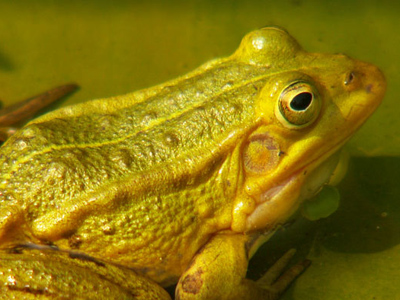
See if you can get ten out of ten in this quiz.
Reptiles and Amphibians - Amphibians
Frogs, toads and newts live between land and water. Explore what makes an amphibian, how they grow, and where they hide, then test your knowledge below.
To see a larger image, click on the picture.
1 .
Can you identify this amphibian?
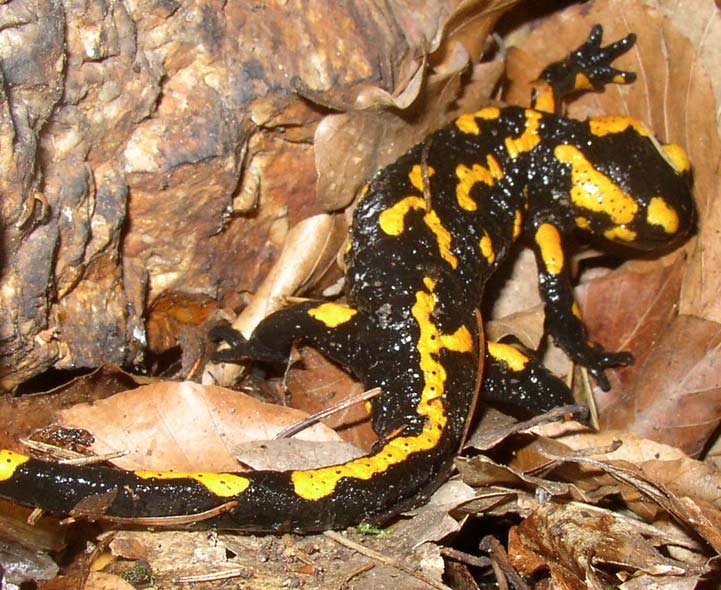
Photograph courtesy of Miaow Miaow
Red Salamander
Fire Salamander
Axolotl
Spotted Salamander
- Order: Caudata
- Family: Salamandridae
- Genus: Salamandra
- Species: S. salamandra
- Can have a very long lifespan.
- One lived for more than 50 years in a German natural history museum.
- If grabbed by a predator, they can release heavy toxic skin secretions.
2 .
Can you identify this amphibian?
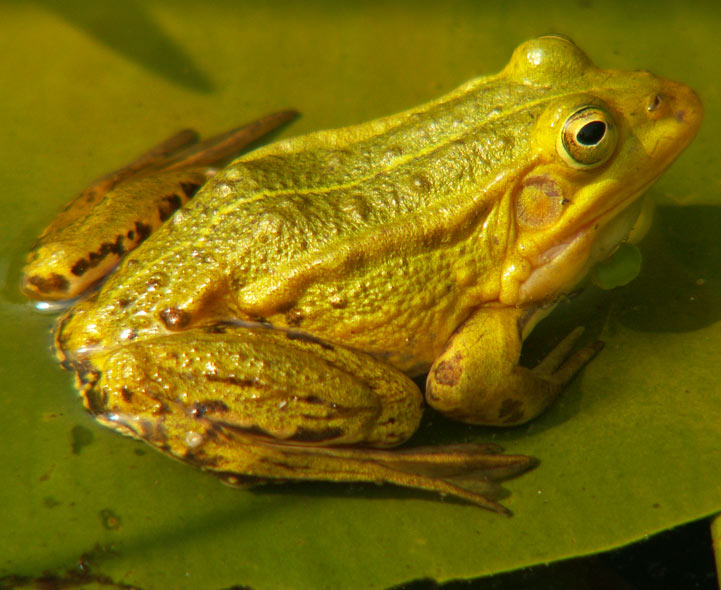
Photograph courtesy of Piet Spaans
Pool Frog
Painted Frog
Edible Frog
Marsh Frog
- Order: Anura
- Family: Ranidae
- Genus: Pelophylax
- Species: P. lessonae
- In Britain, it was presumed extinct in the wild at the last remaining site by 1995.
- A single individual known from this population survived in captivity until 1999.
- An English Nature reintroduction project is underway in Breckland.
3 .
Can you identify this amphibian?
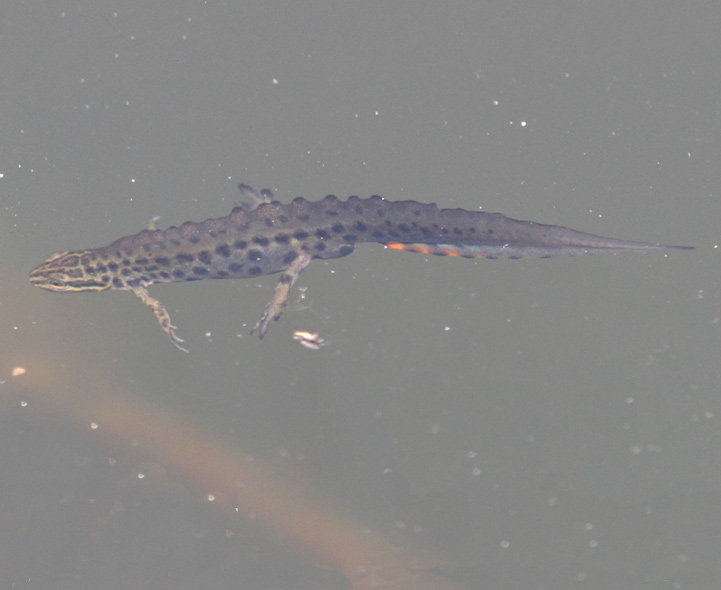
Photograph courtesy of Bogbumper
Alpine Newt
Palmate Newt
Fire Salamander
Smooth Newt
- Order: Caudata
- Family: Salamandridae
- Genus: Lissotriton
- Species: L. vulgaris
- They have a paddle-like tail to increase the speed at which they swim.
- Also, they have a pale throat with conspicuous spots.
- When on land, their skin is velvety.
- During courtship, the male vibrates his tail in front of the female in a distinctive way.
4 .
Can you identify this amphibian?
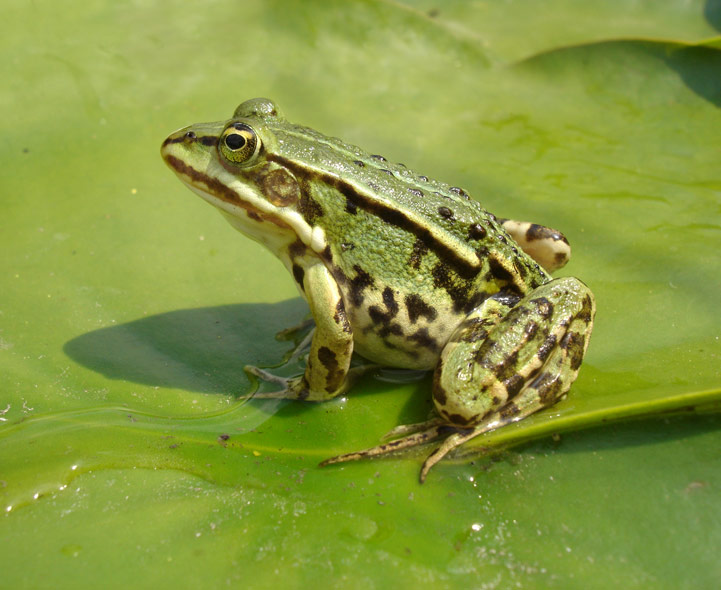
Photograph courtesy of Grand-Duc, Wikipedia
Marsh Frog
Edible Frog
Painted Frog
Pool Frog
- Order: Anura
- Family: Ranidae
- Genus: Pelophylax
- Species: P. lessonae × P. ridibundus
- Naturalised in Britain.
- Males have vocal sacs on the outside of their cheeks and extra skin patches on their feet, both of which are primarily for mating.
- The legs are a culinary delicacy in France.
5 .
Can you identify this amphibian?
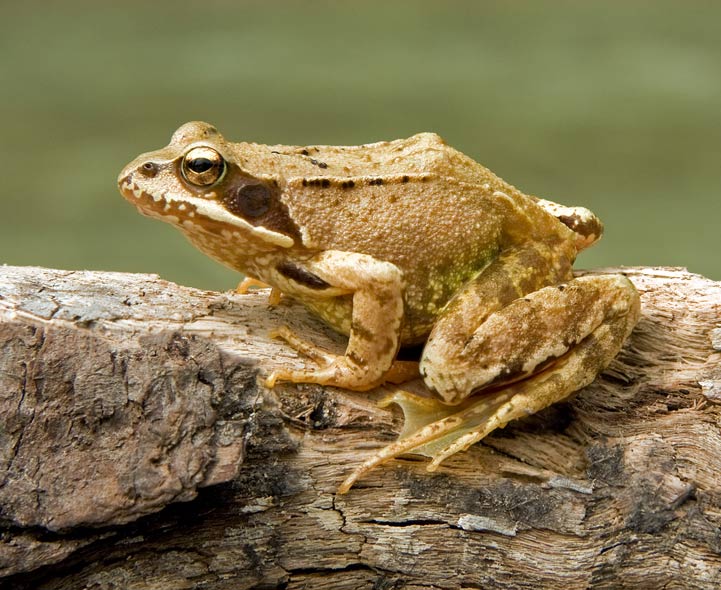
Photograph courtesy of Richard Bartz
European Tree Frog
Common Frog
American Bullfrog
Midwife Toad
- Order: Anura
- Family: Ranidae
- Genus: Rana
- Species: R. temporaria
- Are known to be able to lighten and darken their skin in order to match their surroundings.
- They have transparent horizontal pupils.
- The mating season is short, just a week in March after which the frogs move back to their terrestrial habitat.
6 .
Can you identify this amphibian?
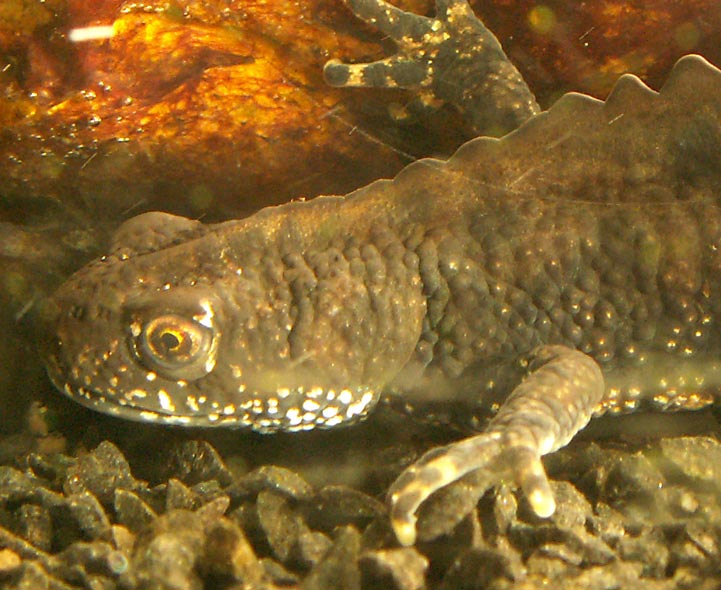
Photograph courtesy of Piet Spaans
Italian Crested Newt
Alpine Newt
Great Crested Newt
Palmate Newt
- Order: Caudata
- Family: Salamandridae
- Genus: Triturus
- Species: T. cristatus
- Native to Great Britain.
- Mating is achieved without direct contact.
- The female lays 2-3 eggs per day until 200-300 eggs have been laid! This can take up to 5 months.
7 .
Toads have a long association with European witchcraft as 'familiars'. What is a familiar?
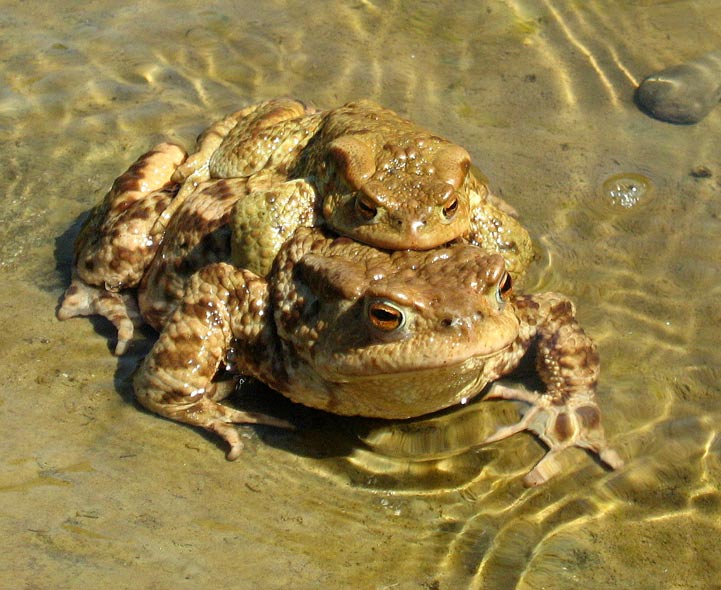
Photograph courtesy of Bartosz Kosiorek
A witch's animal aiding in magic
A demon set out to destroy the world
The village storyteller
The village idiot
- Order: Anura
- Family: Bufonidae
- Genus: Bufo
- Species: B. bufo
- Widespread and common throughout Europe.
- They have warty skin, usually green to brown.
- They mainly hunt at night and can be spotted in wet weather.
- Emit a toxic substance called bufagin in defence.
8 .
The pupils of the yellow-bellied toad are what shape?
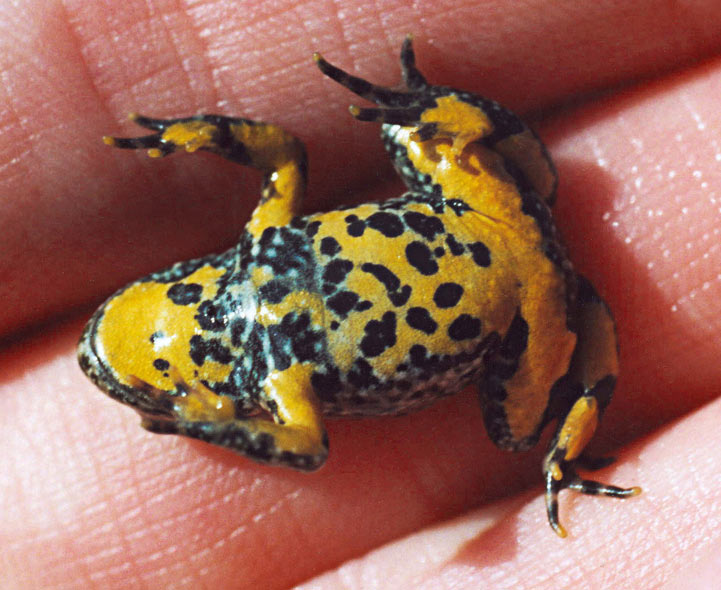
Photograph courtesy of Christian Fischer.
Club
Diamond
Heart
Spade
- Order: Anura
- Family: Bombinatoridae
- Genus: Bombina
- Species: B. variegata
- The eardrums are not visible.
- The overside has numerous warts with raised swirls.
- It doesn't have a vocal bladder, therefore the male's mating call is a gentle sound.
9 .
The Natterjack Toad is a main character in a children's book by Edward Eager. What is the book called?
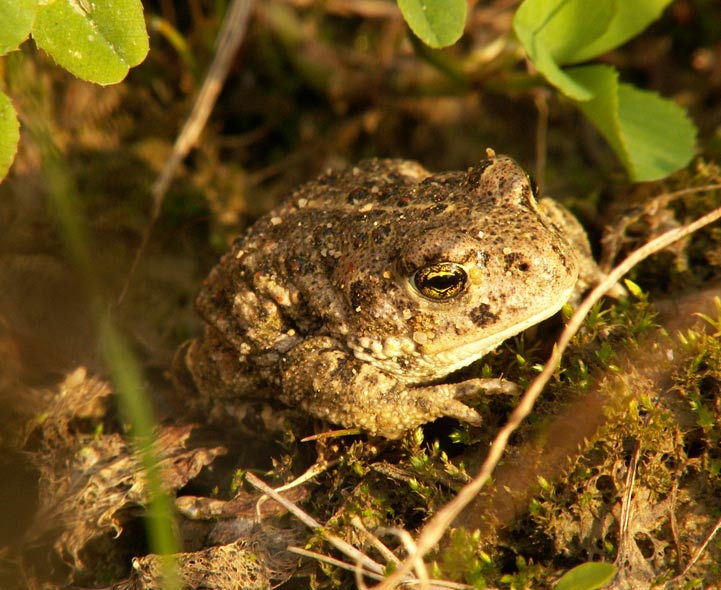
Photograph courtesy of Piet Spaans
The Magic Garden
The Silent Garden
The Secret Garden
The Time Garden
- Order: Anura
- Family: Bufonidae
- Genus: Epidalea
- Species: E. calamita
- Native to Britain, although practically confined to coastal sites.
- Has a tendency to run instead of hopping or walking.
- Natterjacks males have a very loud and distinctive mating call.
The Natterjack is portrayed as a magical creature who understands the laws of magic and time and assists the children on their adventures
10 .
Can you identify this amphibian?
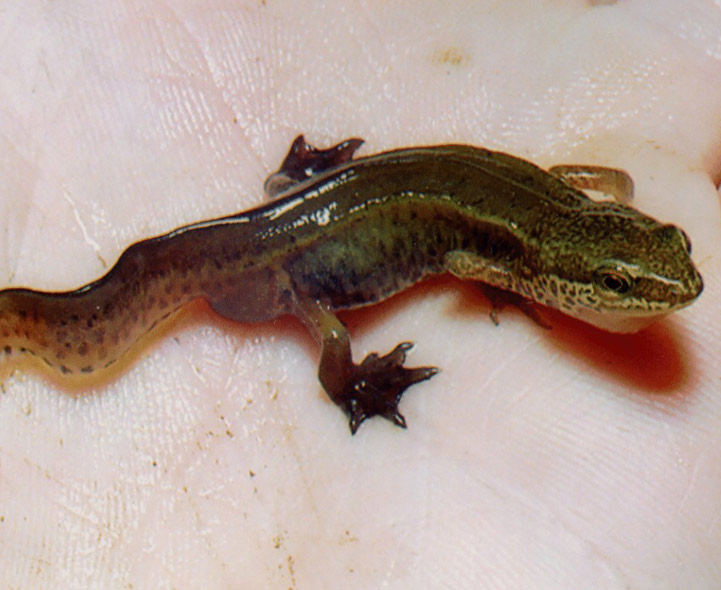
Photograph courtesy of Christian Fischer.
Palmate Newt
Alpine Newt
Great Crested Newt
Italian Crested Newt
- Order: Caudata
- Family: Salamandridae
- Genus: Lissotriton
- Species: L. helveticus
- The smallest British amphibian.
- Has strongly webbed back feet that males develop during the breeding season.
- The tail has an orange central line passing along its length.



**Unlimited Quizzes Await You! 🚀**
Hey there, quiz champ! 🌟 You've already tackled today's free questions.
Ready for more?
Ready for more?
🔓 Unlock UNLIMITED Quizzes and challenge yourself every day. But that's
not all...
not all...
🔥 As a Subscriber you can join our thrilling "Daily Streak" against other
quizzers. Try to win a coveted spot on our Hall of Fame Page.
quizzers. Try to win a coveted spot on our Hall of Fame Page.
Don't miss out! Join us now and keep the fun rolling. 🎉
**Unlimited Quizzes Await You! 🚀**
Hey there, quiz champ! 🌟 You've already tackled today's free questions. Ready for more?
🔓 Unlock UNLIMITED Quizzes and challenge yourself every day. But that's not all...
🔥 As a Subscriber you can join our thrilling "Daily Streak" against other quizzers. Try to win a coveted spot on our Hall of Fame Page.
Don't miss out! Join us now and keep the fun rolling. 🎉




© Copyright 2016-2026 - Education Quizzes
Work Innovate Ltd - Design | Development |
Marketing
