




Ask the AI Tutor
Need help with Rivers - Fish? Ask our AI Tutor!
AI Tutor - Lucy
Connecting with Tutor...
Please wait while we establish connection
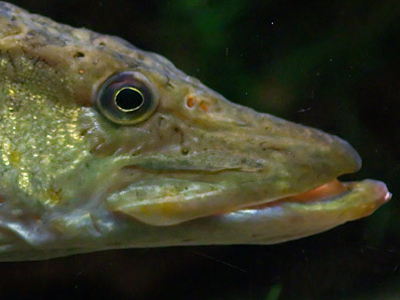
A close-up of a fish that will lie very still for long periods waiting for prey and strike with swift acceleration.
Rivers - Fish
River fish are built for life in moving water, from streamlined bodies to clever senses. Learn how they feed, grow, and survive in UK rivers, then take the quiz.
To see a larger image, click on the picture.
1 .
Can you identify this fish?
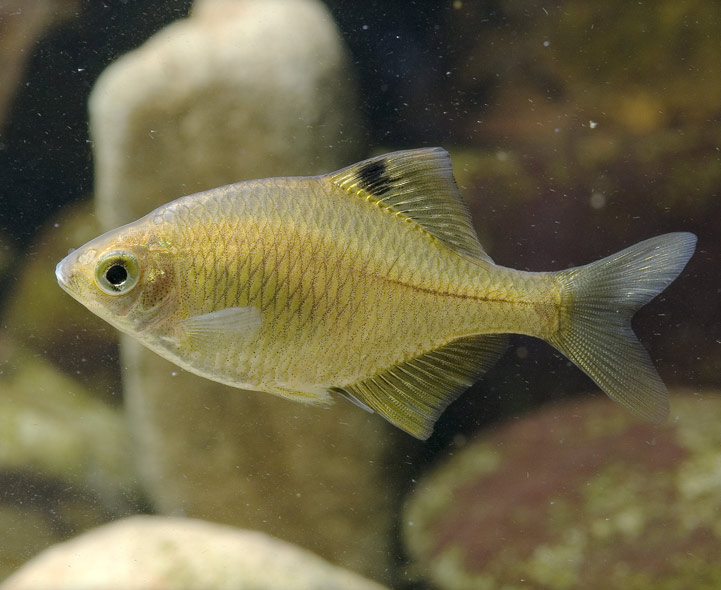
Photograph courtesy of Seotaro
Bream
Minnow
Bleak
Bitterling
- Order: Cypriniformes
- Family: Cyprinidae
- Subfamily: Acheilognathinae
- Genus: Rhodeus
- They depend on freshwater mussels to reproduce, therefore their range is restricted.
- Parents transfer responsibility for the care of their offspring by depositing eggs into the mantle cavity of the mussels.
2 .
Can you identify this fish?
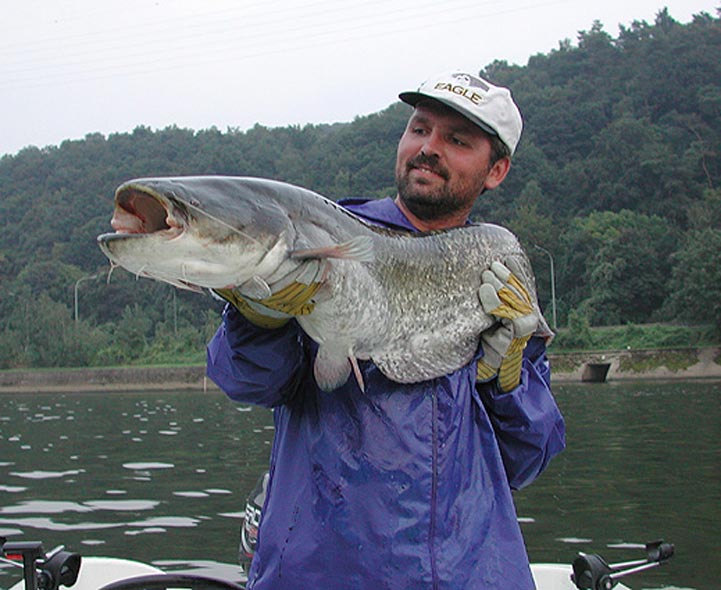
Photograph courtesy of CC BY-SA 3.0, https://commons.wikimedia.org/w/index.php?curid=532124
Orfe
Bream
Tench
Wels Catfish
- Order: Siluriformes
- Family: Siluridae
- Genus: Silurus
- Species: S. glanis
- A large fish which can reach up to 3 m (9.8 ft) in length.
- It catches prey by using its fins to create an eddy to disorient the victim.
- Has very good hearing.
3 .
Can you identify this fish?
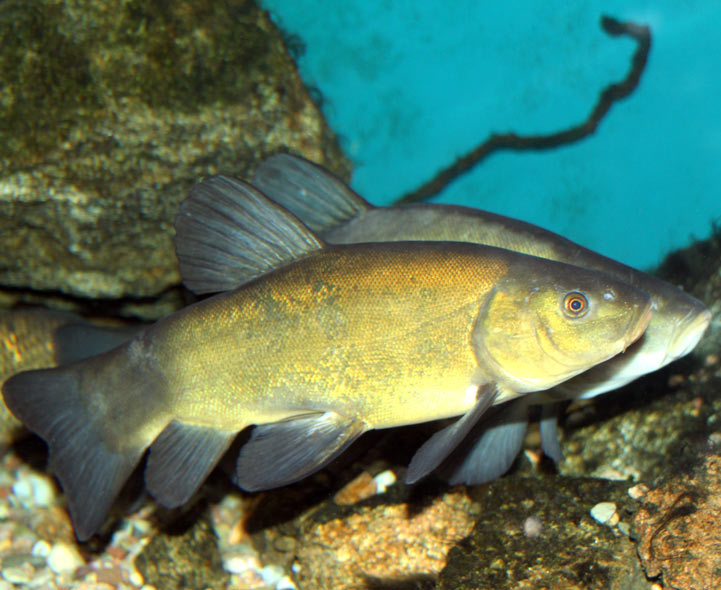
Photograph courtesy of Karelj
Chub
Tench
Dace
Bream
- Order: Cypriniformes
- Family: Cyprinidae
- Genus: Tinca
- Species: T. tinca
- Has very small scales, making it as slippery as an eel.
- In folklore it is said that this slime cured any sick fish that rubbed against it.
- For this reason, the fish is also known as 'doctor fish'.
4 .
Can you identify this fish?
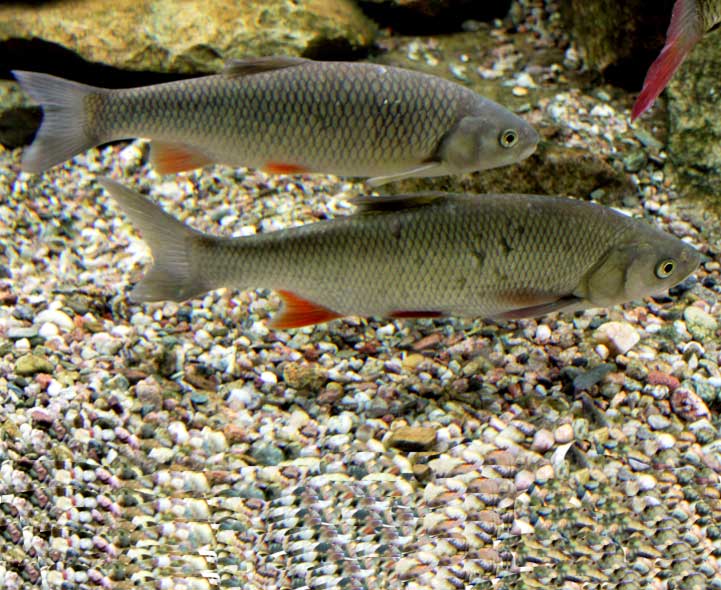
Photograph courtesy of Karelj
Roach
Smelt
Chub
Dace
- Order: Cypriniformes
- Family: Cyprinidae
- Genus: Squalius
- Species: S. cephalus
- Due to their readiness to feed (and therefore be caught) they are popular with anglers.
- Renowned for their fierce appetite and will take baits such as cheese and sweetcorn!
5 .
Can you identify this fish?
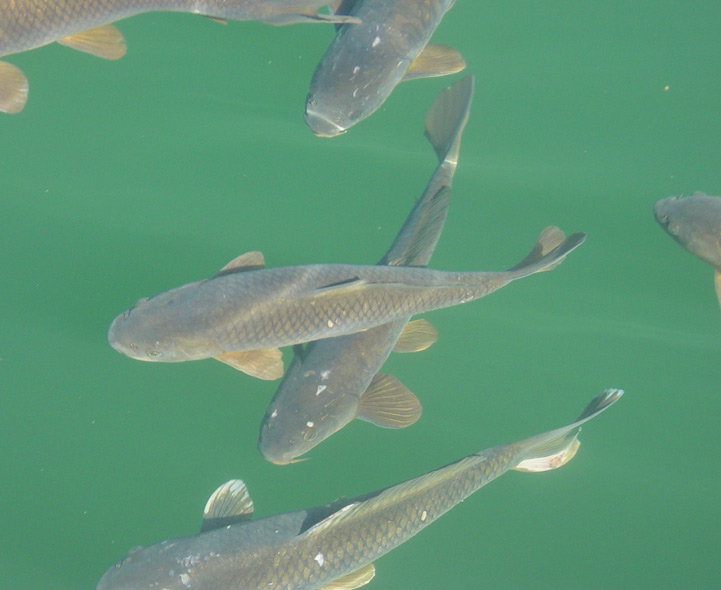
Photograph courtesy of Leonard G.
Rudd
Chub
Common Carp
Dace
- Order: Cypriniformes
- Family: Cyprinidae
- Genus: Cyprinus
- Species: C. carpio
- Native to Asia but introduced to most parts of the world.
- Was domesticated between the 13th and 16th centuries by monks as food.
- The eggs are used for caviar in the United States.
6 .
Can you identify this fish?
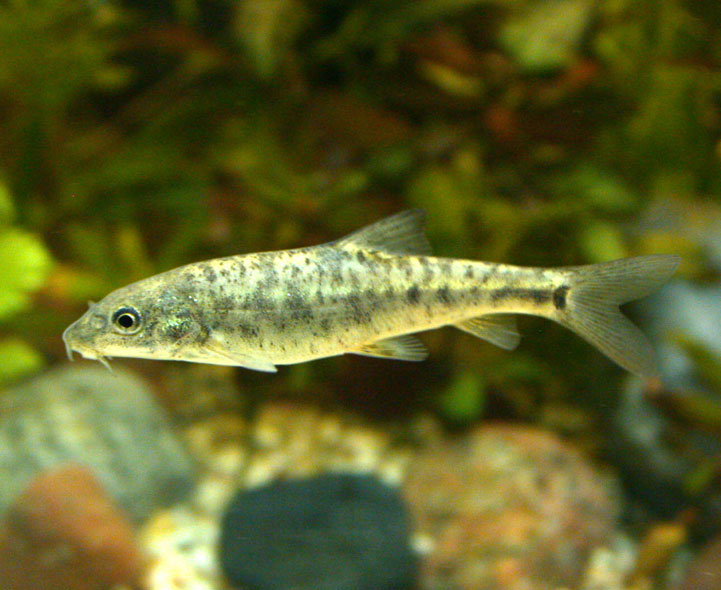
Photograph courtesy of Sven.petersen
Barbel
Pike
Smelt
Bleak
- Order: Cypriniformes
- Family: Cyprinidae
- Genus: Barbus
- Species: B. barbus
- The eggs of this fish are poisonous.
- Was once called the 'pigfish' in folklore.
- Is a very popular sport fish.
- Angling societies exist which specifically promote the pursuit and conservation of the species.
7 .
Can you identify this fish?
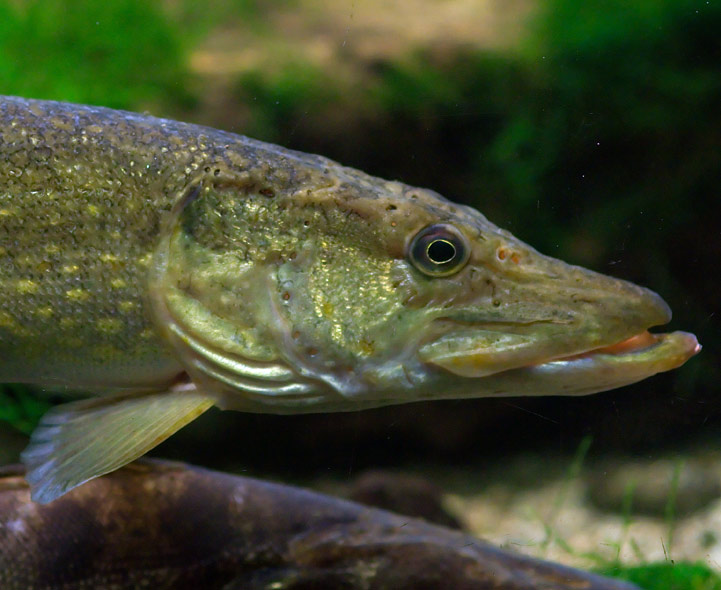
Photograph courtesy of www.lucnix.be/main.php
Gudgeon
Pike
Barbel
Bleak
- Order: Esociformes
- Family: Esocidae
- Genus: Esox
- Species: E. lucius
- Found in slow streams and shallow, weedy places in lakes.
- They lie very still for long periods waiting for prey and strike with swift acceleration.
- Are cannibalistic.
8 .
Can you identify this fish?
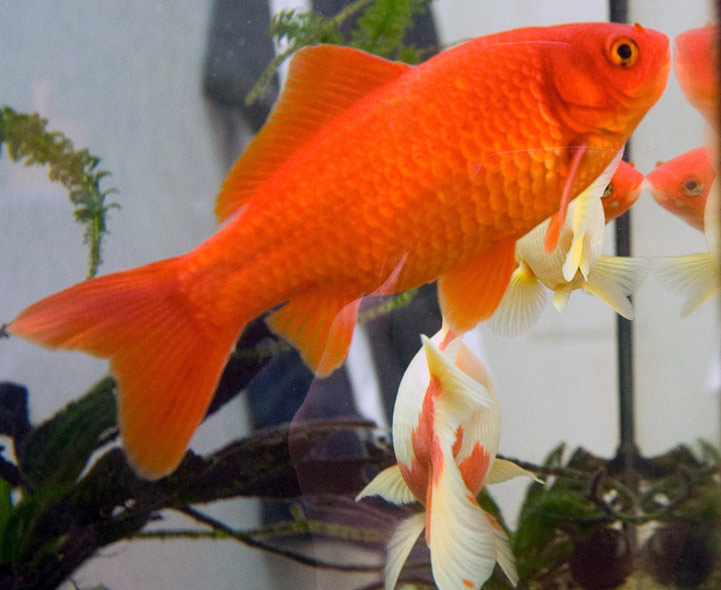
Photograph courtesy of Heptagon
Goldfish
Bream
Smelt
Gudgeon
- Order: Cypriniformes
- Family: Cyprinidae
- Genus: Carassius
- Species: C. auratus
- One of the earliest fish to be domesticated.
- Also, one of the most commonly kept aquarium fish.
- If left in the dark for a period of time, they will gradually change colour until they are almost grey.
9 .
Can you identify this fish?
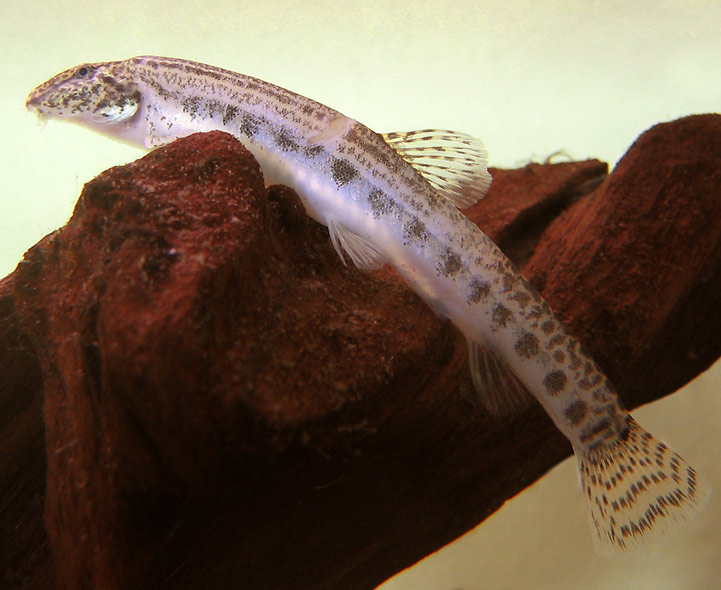
Photograph courtesy of J.C. Harf
Roach
Spined loach
Minnow
Rudd
- Order: Cypriniformes
- Family: Cobitidae
- Genus: Cobitis
- Species: C. taenia
- Can be spotted near flat and sandy or stony areas, often in large numbers.
- In the daytime, they bury themselves in the bed with just the head and tail peeping out.
- Feeds and is most active at night.
10 .
Can you identify this fish?
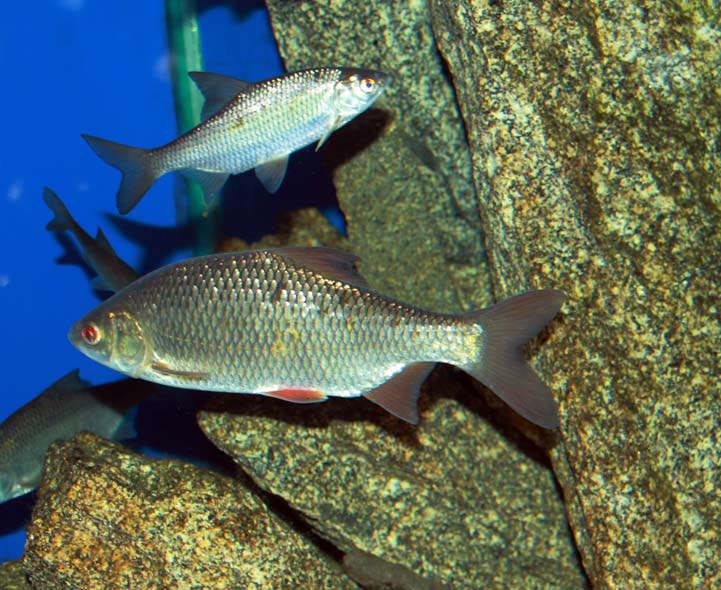
Photograph courtesy of Karelj
Minnow
Gudgeon
Orfe
Roach
- Order: Cypriniformes
- Family: Cyprinidae
- Genus: Rutilus
- Species: R. rutilus
- A blueish silvery-coloured fish.
- Can be recognised by a big red spot in the iris above and beside the pupil.
- Feeds in deeper parts of water.
- Tolerates organic pollution particularly well and is one of the last species to die in such circumstances.



**Unlimited Quizzes Await You! 🚀**
Hey there, quiz champ! 🌟 You've already tackled today's free questions.
Ready for more?
Ready for more?
🔓 Unlock UNLIMITED Quizzes and challenge yourself every day. But that's
not all...
not all...
🔥 As a Subscriber you can join our thrilling "Daily Streak" against other
quizzers. Try to win a coveted spot on our Hall of Fame Page.
quizzers. Try to win a coveted spot on our Hall of Fame Page.
Don't miss out! Join us now and keep the fun rolling. 🎉
**Unlimited Quizzes Await You! 🚀**
Hey there, quiz champ! 🌟 You've already tackled today's free questions. Ready for more?
🔓 Unlock UNLIMITED Quizzes and challenge yourself every day. But that's not all...
🔥 As a Subscriber you can join our thrilling "Daily Streak" against other quizzers. Try to win a coveted spot on our Hall of Fame Page.
Don't miss out! Join us now and keep the fun rolling. 🎉




© Copyright 2016-2026 - Education Quizzes
Work Innovate Ltd - Design | Development |
Marketing
