




Ask the AI Tutor
Need help with Scout Quiz - Campcraft and Survival? Ask our AI Tutor!
AI Tutor - Lucy
Connecting with Tutor...
Please wait while we establish connection
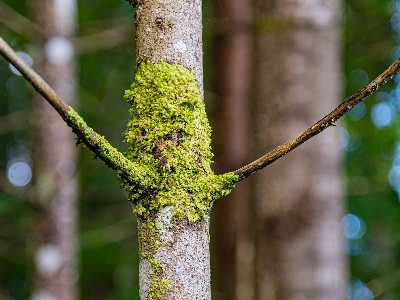
Scouts learn to recognise "natural navigation" such as using moss growth on trees, which usually grows on the north side in the UK.
Scout Quiz - Campcraft and Survival
Campcraft and survival skills help Scouts stay safe and comfortable outdoors. This quiz checks what you know about planning, kit, shelter, fires, and looking after the environment.
1 .
What is the "Leave No Trace" principle when camping and hiking in the wilderness?
Bring home all the rocks you find
Dispose of all food scraps by burying them
Leave nature untouched and take all your trash with you
Create rock sculptures to mark your path
"Leave No Trace" encourages responsible outdoor ethics, emphasizing the importance of minimizing your impact on the enviroment.
2 .
In the UK, what is the best wood to use for making a cooking fire that provides steady heat and burns cleanly?
Pine
Ash
Poplar
Alder
Ash wood burns cleanly and provides a steady, consistent heat, making it ideal for cooking fires. It also produces less smoke than softer woods like pine, which can contain more sap and resin.
3 .
When building a wilderness shelter, what type of material is commonly used for insulation and warmth?
Leaves and branches
Metal sheets
Glass panes
Cotton balls
Leaves and branches are excellent natural materials for insulation in a wilderness shelter, providing warmth and protection.
4 .
Which UK bird's call is often associated with impending rain or bad weather?
Robin
Woodpecker
Cuckoo
Crow
Crows are often more vocal before changes in the weather, such as impending rain. Paying attention to animal behaviour can provide useful clues about upcoming weather conditions.
5 .
What is the most crucial factor to consider when choosing a campsite in the wilderness?
Proximity to a shop
Access to a phone signal
A flat well-drained area
Availability of picnic table
A flat, well-drained area ensures a comfortable and dry night's sleep in your tent.
6 .
What type of shelter would be most effective in the UK woods during a cold, rainy night?
Lean-to
A-frame
Bivouac Bag
Debris Hut
A debris hut is highly effective in cold, rainy conditions because it uses natural materials like leaves and branches to provide insulation and waterproofing, keeping you dry and warm throughout the night.
7 .
Which tree in the UK is commonly used to make fire by friction using the bow drill method?
Oak
Willow
Hazel
Birch
Birch is commonly used for fire-making because its bark contains oils that burn easily, even when wet.
8 .
Which method is the most effective for purifying water in the wilderness?
Adding iodine tablets
Boiling for at least one minute
Filtering through a coffee filter
Using a UV water purifier
Boiling water is a reliable way to kill harmful pathogens and make it safe for drinking in the wild.
9 .
What is the primary purpose of using a tarp when building a shelter?
To catch rainwater
To provide shade
To protect from wind and rain
To store food
A tarp is versatile and can be set up as simple shelter to protect form the elements.
10 .
What is a common signal for help recognised internationally, including in UK wilderness areas?
Three whistles
Two fires
Waving a white cloth
Blinking a flashlight
The signal of three, such as three whistles, three fires, or three flashes of light, is a universal distress signal. It's important to pause and repeat the signal at regular intervals to attract help effectively.



**Unlimited Quizzes Await You! 🚀**
Hey there, quiz champ! 🌟 You've already tackled today's free questions.
Ready for more?
Ready for more?
🔓 Unlock UNLIMITED Quizzes and challenge yourself every day. But that's
not all...
not all...
🔥 As a Subscriber you can join our thrilling "Daily Streak" against other
quizzers. Try to win a coveted spot on our Hall of Fame Page.
quizzers. Try to win a coveted spot on our Hall of Fame Page.
Don't miss out! Join us now and keep the fun rolling. 🎉
**Unlimited Quizzes Await You! 🚀**
Hey there, quiz champ! 🌟 You've already tackled today's free questions. Ready for more?
🔓 Unlock UNLIMITED Quizzes and challenge yourself every day. But that's not all...
🔥 As a Subscriber you can join our thrilling "Daily Streak" against other quizzers. Try to win a coveted spot on our Hall of Fame Page.
Don't miss out! Join us now and keep the fun rolling. 🎉




© Copyright 2016-2026 - Education Quizzes
Work Innovate Ltd - Design | Development |
Marketing
