




Ask the AI Tutor
Need help with How Do You Do? - Making and Doing? Ask our AI Tutor!
AI Tutor - Lucy
Connecting with Tutor...
Please wait while we establish connection
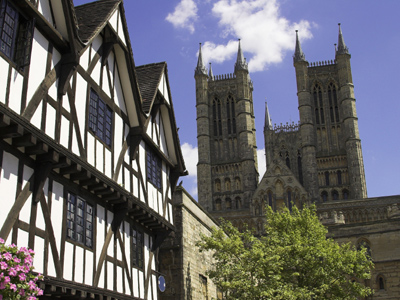
It's a shame when people come all the way to Britain, then make no effort to do any sight-seeing.
How Do You Do? - Making and Doing
English uses do, make, and play in different ways. This quiz helps you choose the right verb for common phrases, so you can speak naturally about daily life.
1 .
Choose the best word or phrase to complete the sentence in good natural English.
My brother has been ... ... some business deals in Manchester this week.
My brother has been ... ... some business deals in Manchester this week.
... making ...
... doing ...
... having ...
... dealing ...
In English we 'do a deal' ... and the phrase works even better because both words start with that same letter D.
2 .
Choose the best word or phrase to complete the sentence in good natural English.
Our plans for tomorrow may have to depend a bit on what the weather ... ... .
Our plans for tomorrow may have to depend a bit on what the weather ... ... .
... makes.
... is making.
... does.
... is doing.
The weather 'does ...' things in English, rather than 'making' them.
We use the continuous form of the verb in this situation, as we shall need to decide about tomorrow's programme once we know what it 'is doing' (ongoing / continuous) at that time.
We use the continuous form of the verb in this situation, as we shall need to decide about tomorrow's programme once we know what it 'is doing' (ongoing / continuous) at that time.
3 .
Choose the best word or phrase to complete the sentence in good natural English.
'Don't just stand there; ... ... something!'
'Don't just stand there; ... ... something!'
... make ...
... do ...
... have ...
... be ...
This is a standard way to encourage someone (a 'bystander') to help in a difficult situation.
'Make something' would only be sensible in a situation where there were materials to make something with, perhaps if you were preparing for a party and you wanted them to help with the cooking or putting up decorations. You could give them a recipe, or some coloured paper or balloons etc., to 'make'- physically ~ into something else. We talk about 'making models' and 'making cakes', where someone follows a process (with some skill and patience) and there is a definite end-product that other people can appreciate.
'Make something' would only be sensible in a situation where there were materials to make something with, perhaps if you were preparing for a party and you wanted them to help with the cooking or putting up decorations. You could give them a recipe, or some coloured paper or balloons etc., to 'make'- physically ~ into something else. We talk about 'making models' and 'making cakes', where someone follows a process (with some skill and patience) and there is a definite end-product that other people can appreciate.
4 .
Choose the best word or phrase to complete the sentence in good natural English.
She ... ... a lot of money with her High Street fashion business.
She ... ... a lot of money with her High Street fashion business.
... makes ...
... does ...
... has ...
... brings ...
'Do deals ... (Question 1) ... make money!'
Another 'alliterative pair' ( d~ d~ / m~ m~ ), with a positive ring to it, particularly if you are studying Business English.
Answer 4 was almost right; a commercial activity can 'bring in' money, and a job can 'bring in' so much money over a certain time. ('Young Tim's early-morning newspaper round brings (him) in £'x' a week'.')
Another 'alliterative pair' ( d~ d~ / m~ m~ ), with a positive ring to it, particularly if you are studying Business English.
Answer 4 was almost right; a commercial activity can 'bring in' money, and a job can 'bring in' so much money over a certain time. ('Young Tim's early-morning newspaper round brings (him) in £'x' a week'.')
5 .
Choose the best word or phrase to complete the sentence in good natural English.
It's a shame when people come all the way to Britain, then ... ... no effort to ... ... any sight-seeing.
It's a shame when people come all the way to Britain, then ... ... no effort to ... ... any sight-seeing.
... do ... / ... do ...
... do ... / ... make ...
... make ... / ... make ...
... make ... / ... do ...
Note which way round the verbs are in these two important expressions.
You would probably be understood if you used them the other way, but it's not particularly hard to get them right!
You would probably be understood if you used them the other way, but it's not particularly hard to get them right!
6 .
Choose the best word or phrase to complete the sentence in good natural English.
Whenever we are in town we try to ... ... a point of ... ... some window-shopping.
Whenever we are in town we try to ... ... a point of ... ... some window-shopping.
... do ... / ... doing ...
... do ... / ... making ...
... make ... / ... doing ...
... make ... / ... making ...
This is very similar to Question 5. Note the expressions, and add them to any book or list that you are keeping ~ so you'll come across them again and get used to using them!
7 .
Choose the best word or phrase to complete the sentence in good natural English.
I know, from experience, what people like that usually ... ... : they start complaining and ... ... trouble.
I know, from experience, what people like that usually ... ... : they start complaining and ... ... trouble.
... do ... / ... making ...
... do ... / ... doing ...
... make ... / ... doing ...
... make ... / ... making ...
'Do' is the all-purpose 'filler' verb when there is no other more precise word.
We say something will 'do' when there is enough of it ('Will this milk do for three cups of coffee?') ...
... but people (or things) 'make' trouble, rather than 'doing' it.
(But you can 'have trouble doing something' : 'Excuse me, I'm having trouble understanding this document.')
We say something will 'do' when there is enough of it ('Will this milk do for three cups of coffee?') ...
... but people (or things) 'make' trouble, rather than 'doing' it.
(But you can 'have trouble doing something' : 'Excuse me, I'm having trouble understanding this document.')
8 .
Choose the best word or phrase to complete the sentence in good natural English.
She's only 35, but already she's ... ... plans for what she's going to ... ... when she retires!
She's only 35, but already she's ... ... plans for what she's going to ... ... when she retires!
... doing ... / ... do ...
... doing ... / ... make ...
... making ... / ... make ...
... making ... / ... do ...
These are both fairly similar expressions to ones in earlier Questions.
9 .
Choose the best word or phrase to complete the sentence in good natural English.
One of these days they'll ... ... a car that will ... ... 100 miles to the gallon.
One of these days they'll ... ... a car that will ... ... 100 miles to the gallon.
... do ... / ... do ...
... make ... / ... do ...
... make ... / ... make ...
... do ... / ... make ...
' ... they will build a car than can manage to be so fuel-efficient'.
For our international readers, 100 miles to the gallon would be 2.8 litres / 100 km. (Will this happen in your lifetime? What do you think?)
For our international readers, 100 miles to the gallon would be 2.8 litres / 100 km. (Will this happen in your lifetime? What do you think?)
10 .
Choose the best word or phrase to complete the sentence in good natural English.
'If you ... ... it to Britain for next year's conference, we'd be delighted to see you. In fact, come and stay with us! There's no need to ... ... with a hotel.'
'If you ... ... it to Britain for next year's conference, we'd be delighted to see you. In fact, come and stay with us! There's no need to ... ... with a hotel.'
... do make ... / ... make do ...
... do make ... / ... do make ...
... make do ... / ... make do ...
... make do ... / ... do make ...
Two useful expressions here, each using both verbs:
'Do make' is emphatic, as in 'If you really can manage to arrange to come' (' ... but we realise there's a chance that you might not be able to ...'). 'Make it' = to arrive safely, e.g. 'The weather was foul, but I made it; sorry I'm a bit late and wet!'
'Make do' = to manage, to continue even though things are difficult ('Our furniture hasn't arrived from Japan yet, so we're making-do with what we can find.') Many languages have useful phrases for this; what's yours?
We hope you will soon be using these expressions confidently ~ instead of 'making do' with whatever first comes into your head!
'Do make' is emphatic, as in 'If you really can manage to arrange to come' (' ... but we realise there's a chance that you might not be able to ...'). 'Make it' = to arrive safely, e.g. 'The weather was foul, but I made it; sorry I'm a bit late and wet!'
'Make do' = to manage, to continue even though things are difficult ('Our furniture hasn't arrived from Japan yet, so we're making-do with what we can find.') Many languages have useful phrases for this; what's yours?
We hope you will soon be using these expressions confidently ~ instead of 'making do' with whatever first comes into your head!



**Unlimited Quizzes Await You! 🚀**
Hey there, quiz champ! 🌟 You've already tackled today's free questions.
Ready for more?
Ready for more?
🔓 Unlock UNLIMITED Quizzes and challenge yourself every day. But that's
not all...
not all...
🔥 As a Subscriber you can join our thrilling "Daily Streak" against other
quizzers. Try to win a coveted spot on our Hall of Fame Page.
quizzers. Try to win a coveted spot on our Hall of Fame Page.
Don't miss out! Join us now and keep the fun rolling. 🎉
**Unlimited Quizzes Await You! 🚀**
Hey there, quiz champ! 🌟 You've already tackled today's free questions. Ready for more?
🔓 Unlock UNLIMITED Quizzes and challenge yourself every day. But that's not all...
🔥 As a Subscriber you can join our thrilling "Daily Streak" against other quizzers. Try to win a coveted spot on our Hall of Fame Page.
Don't miss out! Join us now and keep the fun rolling. 🎉




© Copyright 2016-2026 - Education Quizzes
Work Innovate Ltd - Design | Development |
Marketing
