




Ask the AI Tutor
Need help with Endothermic and Exothermic Reactions 2? Ask our AI Tutor!
AI Tutor - Lucy
Connecting with Tutor...
Please wait while we establish connection
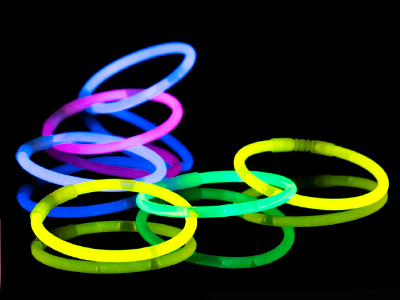
Glow sticks are applications of exothermic reactions.
Endothermic and Exothermic Reactions 2
Endothermic and exothermic reactions also link to reversible reactions and equilibrium. This GCSE Chemistry quiz helps you predict how temperature changes affect the position of equilibrium.
1 .
Thermal decomposition is...
an exothermic reaction
an endothermic reaction
a common reaction
an energy rich reaction
Thermal decomposition requires heat energy to break substances down
2 .
Electrolysis requires energy to make it work. This means it is...
an endothermic reaction
an exothermic reaction
an eltothermic reaction
a chemical reaction
Electrolysis requires a supply of electrical energy from a DC circuit
3 .
Bond making is an...
endothermic process
exothermic process
exciting process
eltothermic process
Energy is given out when bonds are formed
4 .
Bond breaking is an...
endothermic process
exothermic process
exciting process
eltothermic process
Energy is required to break bonds
5 .
ΔH is the energy change for the reaction. To calculate this...
add the reactants' energy to the products' energy
subtract the reactants' energy from the products' energy
divide the reactants' energy by the products' energy
subtract the products' energy from the reactants' energy
Products - reactants is +ve for endothermic reactions and -ve for exothermic reactions
6 .
Which of the following observations indicate an endothermic reaction?
The temperature of the decaying grass in the compost maker was considerably above the outside temperature
Hydrogen peroxide and hydrazine react so explosively and energetically that they are used to power rockets into space
The mixture bubbled vigorously and the temperature dropped by 40°C
A red glow spread through the mixture and the temperature increased by 10°C
It is not so much the bubbling that shows this is endothermic, that can happen in exothermic reactions, but rather the temperature drop. That indicates that heat energy has been lost from the reacting mixture
7 .
If a reaction is endothermic overall, what does this tell us about the bonds broken and made during the reaction?
There are equal amounts of energy required to break and make the bonds in the reaction
There is a lot of energy used for both making and breaking bonds
There is less energy used in breaking the bonds of the reactants than required to make the bonds of the products
There is more energy used in breaking the bonds of the reactants than required to make the bonds of the products
Remember, energy changes in chemical reactions are all about bond breaking and bond making
8 .
Pick the correct combination of information for an exothermic reaction.
°C ↑ ΔH +ve
°C ↑ ΔH -ve
°C ↓ ΔH +ve
°C ↓ ΔH -ve
ÄH is the symbol used to represent the energy change
9 .
Neutralisation is...
an endothermic reaction
a physical reaction
an exothermic reaction
an oxidation reaction
The temperature of the products of a neutralisation reaction is higher than the temperature of the reactants
10 .
On an energy level diagram, the products of an exothermic reaction will be...
higher than the reactants
the same level as the reactants
on a different diagram to the reactants
lower than the reactants
This shows us that the products have less energy than the reactants, because energy has been transferred to the surroundings



**Unlimited Quizzes Await You! 🚀**
Hey there, quiz champ! 🌟 You've already tackled today's free questions.
Ready for more?
Ready for more?
🔓 Unlock UNLIMITED Quizzes and challenge yourself every day. But that's
not all...
not all...
🔥 As a Subscriber you can join our thrilling "Daily Streak" against other
quizzers. Try to win a coveted spot on our Hall of Fame Page.
quizzers. Try to win a coveted spot on our Hall of Fame Page.
Don't miss out! Join us now and keep the fun rolling. 🎉
**Unlimited Quizzes Await You! 🚀**
Hey there, quiz champ! 🌟 You've already tackled today's free questions. Ready for more?
🔓 Unlock UNLIMITED Quizzes and challenge yourself every day. But that's not all...
🔥 As a Subscriber you can join our thrilling "Daily Streak" against other quizzers. Try to win a coveted spot on our Hall of Fame Page.
Don't miss out! Join us now and keep the fun rolling. 🎉




© Copyright 2016-2026 - Education Quizzes
Work Innovate Ltd - Design | Development |
Marketing
