




Ask the AI Tutor
Need help with Limestone - Uses of? Ask our AI Tutor!
AI Tutor - Lucy
Connecting with Tutor...
Please wait while we establish connection
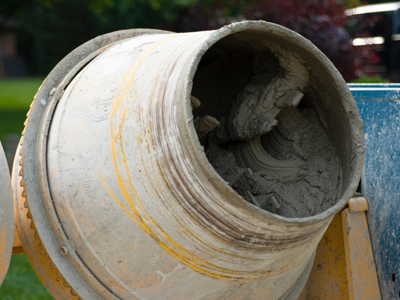
Cement is mixed with sand and water to produce mortar.
Limestone - Uses of
Limestone is more than a rock, it is a useful chemical resource. This GCSE Chemistry quiz covers limestone uses in farming and industry, plus links to neutralisation and making building materials.
1 .
Limestone is sometimes spread on fields and lakes. Why?
To improve the water/soil aeration
To help fish breathe
To make the soil better
To neutralise acidic soil or water
Limestone is mainly calcium carbonate which reacts with acids in the soil or water
2 .
Which of the following is NOT an advantage of using limestone as a building material?
It is abundant
It is environmentally friendly
It is relatively easy to cut
It is a natural material
Quarrying of limestone is not particularly 'green' for a variety of reasons
3 .
Limestone is a fairly common rock in the UK. How was it formed?
By volcanoes
By heat and pressure under the ground
From the remains of dead sea creatures
From molten rock
In some places, you can see these remains as fossils
4 .
What type of rock is limestone?
Metamorphic
Sedimentary
Igneous
Metamentary
It is formed on the sea bed by layers of sediment that contain high levels of calcium carbonate
5 .
Pick the correct combination of negative aspects of quarrying for limestone.
Jobs for the local community; increased traffic in the area; destruction of habitats; dust on roads/in air
Noisy; destruction of habitats; dust on roads/in air; improved local transport links
Destruction of habitats; noisy; visual pollution; increased traffic in the area
Increased traffic in the area; improved local transport links; jobs for the local community; increase in local trade
Be prepared to give both advantages and disadvantages in an exam
6 .
Which of the following is NOT an advantage that concrete has over raw limestone as a building material?
It can be reinforced using steel rods to make it stronger
It can be mixed on site
It is easy to cut into blocks
It is less prone to chemical weathering
It is hard to cut concrete so it is usually moulded into the shape required
7 .
Powdered limestone can be heated to very high temperatures with sand and sodium carbonate to make another building material. This is called...
concrete
cement
glass
mortar
Natural glass exists where sand has been heated to high temperatures, for example, where a meteorite has crashed into the surface of the Earth
8 .
Limestone is made into cement by heating with powdered clay. Cement can be mixed with water, sand and crushed rock. What building material does this produce?
Concrete
Cement
Glass
Mortar
This material is strong and can be moulded into almost any shape
9 .
Cement is mixed with sand and water to produce...
concrete
cement
glass
mortar
Mortar is used to 'glue' bricks and building stones together
10 .
Which of the following is NOT a direct use for limestone?
Making cement
Making concrete
Making glass
Making drainpipes
Drainpipes are usually made from the polymer PVC, or metals such as zinc and galvanised steel



**Unlimited Quizzes Await You! 🚀**
Hey there, quiz champ! 🌟 You've already tackled today's free questions.
Ready for more?
Ready for more?
🔓 Unlock UNLIMITED Quizzes and challenge yourself every day. But that's
not all...
not all...
🔥 As a Subscriber you can join our thrilling "Daily Streak" against other
quizzers. Try to win a coveted spot on our Hall of Fame Page.
quizzers. Try to win a coveted spot on our Hall of Fame Page.
Don't miss out! Join us now and keep the fun rolling. 🎉
**Unlimited Quizzes Await You! 🚀**
Hey there, quiz champ! 🌟 You've already tackled today's free questions. Ready for more?
🔓 Unlock UNLIMITED Quizzes and challenge yourself every day. But that's not all...
🔥 As a Subscriber you can join our thrilling "Daily Streak" against other quizzers. Try to win a coveted spot on our Hall of Fame Page.
Don't miss out! Join us now and keep the fun rolling. 🎉




© Copyright 2016-2026 - Education Quizzes
Work Innovate Ltd - Design | Development |
Marketing
