




Ask the AI Tutor
Need help with Changes in Rural Areas - LEDCs? Ask our AI Tutor!
AI Tutor - Lucy
Connecting with Tutor...
Please wait while we establish connection
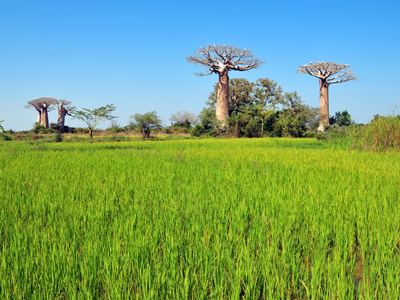
Test your geography skills in this quiz.
Changes in Rural Areas - LEDCs
Rural areas in poorer countries are changing fast. This GCSE Geography quiz looks at why life in LEDC villages is shifting and how projects can support communities.
1 .
Why are rural changes in LEDCs important?
Rural areas in LEDCs produce food for both rural and urban populations
The statement is false, rural changes in LEDCs are unimportant
A minority of people live in rural areas
It could change the amount of food that is imported from MEDCs
The majority of people in LEDCs live in rural areas, producing food for themselves, urban dwellers and also for export to MEDCs so any changes in these areas will have significant implications for the economy
2 .
Which of the following is not a negative impact of growing cash crops?
Cash crops use up a lot of water, depleting local water supplies
Cash crops can damage local ecosystems
Cash crops provide local employment
Heavy use of fertiliser means that it could get into local watercourses
Cash crops benefit the economy of the country. They provide some local employment but don't necessarily benefit everyone in the local community and can lead to migration to towns and cities
3 .
Which of the following is not a benefit of migration to urban areas?
The migrant sends money home
It causes an increase in tourism
More money available to the family for schooling
The family can buy more livestock
Although the migration of a family member to an urban centre can put pressure on the family in respect of the farm, there are economic benefits which can make it worthwhile, provided that they can find employment
4 .
Why does improving roads and communications help rural communities in LEDCs?
Their cars don't wear out as quickly
It makes migration to cities a lot easier
The post can get through on a more regular basis
They can sell their products more easily
Better access and links to towns makes it easier for them to sell their goods as it opens up new markets and gives them a larger customer base
5 .
One important way of helping rural areas in LEDCs is by improving the local economy by encouraging tourism. What does this achieve?
Less migration to towns and cities
More migration to towns and cities
It helps prevent damage to ecosystems
Local people gain a better knowledge of other countries
One of the main negative changes to rural areas is the migration from the countryside to towns and cities. Less food is grown and urban areas are put under greater pressure by the increased population
6 .
Improving the standard of living for families in rural areas helps their communities become more sustainable. Which of the following is not an example of a government of an LEDC improving rural standards of living?
Providing fertiliser to increase crop yields
Providing a community with a clean water supply
Building a local school
Providing a mobile health care service
Having a better standard of living for rural families reduces migration to urban centres and helps to ensure a stable and adequate food supply for the country
7 .
Who is most likely to migrate from a rural area to an urban area?
An elderly female
A young female
An elderly male
A young male
In LEDCs, the rural populations are generally subsistence farmers, with the family working the farm together. When the young men move to the cities, the others need to do more work in order to maintain the same productivity
8 .
Charities often work with rural communities in LEDCs. Which of the following is an example of the work they do?
Teaching natural farming methods to increase crop yields without the need for buying artificial fertilisers
Developing a strong community spirit
Training people farming methods that reduces soil erosion
All of the above
The best work done by charities in rural areas of LEDCs leads to self-sufficiency and develops a sustainable community. This benefits both the local community and the country
9 .
Which of the following is not a push factor that could lead to rural to urban migration?
Farmers are encouraged to grow cash crops
Natural disasters
Better housing conditions in the city
Poverty
When farmers are encouraged to grow cash crops, less land is available for subsistence farming. Drought, flooding, mudslides or other natural disasters that ruin the crops as well as poverty, can leave families with no option other than to migrate to the nearest urban centre. Better housing conditions are a pull factor that draw people to urban centres
10 .
A cash crop is ...
a crop that is grown in order to provide the raw materials for printing money
a crop whose seeds cost a lot of money
a crop that is grown with the intention of selling to a MEDC
all of the above
Growing cash crops for export means that land is no longer used to grow food crops for local people. This food pressure can lead to migration



**Unlimited Quizzes Await You! 🚀**
Hey there, quiz champ! 🌟 You've already tackled today's free questions.
Ready for more?
Ready for more?
🔓 Unlock UNLIMITED Quizzes and challenge yourself every day. But that's
not all...
not all...
🔥 As a Subscriber you can join our thrilling "Daily Streak" against other
quizzers. Try to win a coveted spot on our Hall of Fame Page.
quizzers. Try to win a coveted spot on our Hall of Fame Page.
Don't miss out! Join us now and keep the fun rolling. 🎉
**Unlimited Quizzes Await You! 🚀**
Hey there, quiz champ! 🌟 You've already tackled today's free questions. Ready for more?
🔓 Unlock UNLIMITED Quizzes and challenge yourself every day. But that's not all...
🔥 As a Subscriber you can join our thrilling "Daily Streak" against other quizzers. Try to win a coveted spot on our Hall of Fame Page.
Don't miss out! Join us now and keep the fun rolling. 🎉




© Copyright 2016-2026 - Education Quizzes
Work Innovate Ltd - Design | Development |
Marketing
