




Ask the AI Tutor
Need help with Economically Advanced Economies? Ask our AI Tutor!
AI Tutor - Lucy
Connecting with Tutor...
Please wait while we establish connection
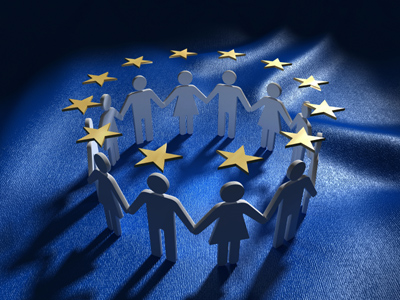
The EU is one of the most developed regions in the world.
Economically Advanced Economies
Economically advanced economies are the world’s richest countries, with strong industries and services. This GCSE Geography quiz tests how well you understand their characteristics and global roles.
1 .
Inflation is a measure of how much the prices of goods, services and wages rise each year. Why does high inflation show that the economy is not developed?
Only newly formed economies show high levels of inflation
High inflation shows the government does not have control of the economy
If rapid inflation occurs the goods will become cheaper for people to buy
High inflation means that the GDP is going up rapidly
Inflation can be a huge problem if it goes out of control, devaluing the country's economy and making it unattractive to investors
2 .
What is GDP?
Gross domestic product - Total value of goods and services produced by the country in a single year
Greater domestic production - Total economic output of a country per year
Gross demographic product - Total output of the nation per capita (per person)
Greater disciplined production - The improvement of the national produce as the country develops
A larger GDP means there is more money to invest in improving the country, including education and health
3 .
How will birth and death rates change as economies become more developed?
Birth rates and average life expectancy will both go up
Birth rates will go up and average life expectancy will go down
Birth rates and average life expectancy will both go down
Birth rates will go down and average life expectancy will go up
There is a direct correlation between birth rates and female literacy rates - so as the nation develops birth rates fall. At the same time, better health care and security mean that average life expectancy increases, helped in part by a reduction in infant mortality
4 .
What is the correlation between literacy and GDP per capita?
A weak, positive correlation
A strong, negative correlation
A weak, negative correlation
A strong, positive correlation
A skilled workforce allows for people to undertake more skilled jobs and so increase their economic outputs. Also, as a country's GDP rises it has more money to spend on education, in turn increasing literacy
5 .
What is the Human Development Index?
A measure of how an individual human can help the economy grow
The factors that lead to deaths and influence life expectancy
A measure of the non-economic aspects of a country's economy
The measure of how a government treats its population
There are a wide number of measurements in the HDI, including access to education, risk of disease and infant mortality rates
6 .
Which of these nations is not seen as being economically advanced?
The UK
Australia
United States
China
China is an emerging economy - relatively low literacy rates, as well as various other unfavourable economic indicators, are countered by being a global mega power
7 .
What are the spending priorities of an economically advanced economy?
Health and Education
Military expenditure
Paying off debts
Controlling internal conflicts
As economies develop, they look to improve the lives and skills of the population, rather than spending on the military and paying off their debts
8 .
What does economic structure measure?
The ratio between primary, secondary and tertiary sectors
The inequality between the richest and poorest sections of the population
The spending priorities of the government
The rate of economic growth
As a country develops, the skilled and financial sectors will improve, changing the ratio between these three sectors
9 .
Why is the inequality in wealth an important measure of a country's economic development?
The greater the inequality, the faster the economy can grow due to very rich individuals
Inequality can hinder growth as the poorer members of society struggle with poverty
A society is more advanced if everyone has equal wealth
Inequality is a minor measure in economic growth
Nations whose wealth inequality is pronounced are more likely to have a large proportion of the population living below the minimum standards required for a country to grow and prosper
10 .
What is the pattern of development in the EU?
All nations are developing at the same rate
Some nations are established, whilst others are still emerging
All nations are fully developed
All nations are developing into advanced economies
The EU comprises countries from both Western and Eastern Europe. As one of the most developed regions, Western Europe represents a huge proportion of the world's economically advanced economies. Eastern Europe on the other hand, has a number of developing nations



**Unlimited Quizzes Await You! 🚀**
Hey there, quiz champ! 🌟 You've already tackled today's free questions.
Ready for more?
Ready for more?
🔓 Unlock UNLIMITED Quizzes and challenge yourself every day. But that's
not all...
not all...
🔥 As a Subscriber you can join our thrilling "Daily Streak" against other
quizzers. Try to win a coveted spot on our Hall of Fame Page.
quizzers. Try to win a coveted spot on our Hall of Fame Page.
Don't miss out! Join us now and keep the fun rolling. 🎉
**Unlimited Quizzes Await You! 🚀**
Hey there, quiz champ! 🌟 You've already tackled today's free questions. Ready for more?
🔓 Unlock UNLIMITED Quizzes and challenge yourself every day. But that's not all...
🔥 As a Subscriber you can join our thrilling "Daily Streak" against other quizzers. Try to win a coveted spot on our Hall of Fame Page.
Don't miss out! Join us now and keep the fun rolling. 🎉




© Copyright 2016-2026 - Education Quizzes
Work Innovate Ltd - Design | Development |
Marketing
