




Ask the AI Tutor
Need help with Tourism? Ask our AI Tutor!
AI Tutor - Lucy
Connecting with Tutor...
Please wait while we establish connection
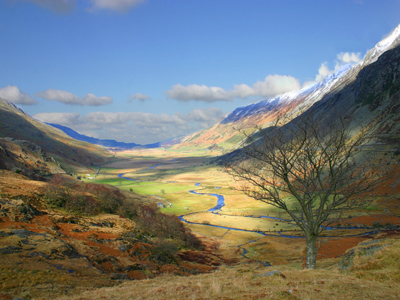
Snowdonia, Wales.
Tourism
Tourism is one of the world’s fastest growing industries. This quiz explores why people travel, where they visit, and how tourism affects places and environments.
1 .
Extreme tourism is becoming more and more popular but which of the following best describes it?
Taking very long holidays
Travelling as far as you can on an extremely limited budget
Staying in one place for the whole of your holiday
Taking part in holiday activities that involve some risk and require physical fitness
This form of tourism is usually targeted at well-off younger professional people with no families
2 .
The Serengeti is a region of Africa that is rich in wildlife and contains several national parks and game reserves. This makes it popular for which type of holiday?
Safari
Beach holiday
Skiing holiday
Theme park holiday
Safari holidays in the Serengeti give tourists a chance to observe the annual migration of the wildebeest and zebra which is the largest migration of land animals in the world. It also offers many opportunities to see rare wild animals in their natural habitats
3 .
A geographer named Butler proposed that tourist resorts or attractions go through six stages. The last stage can be either decline or rejuvenation (regrowth after visitor numbers have stopped increasing). Which of the following would be an example of rejuvenation?
Closing a railway station to prevent too many tourists from arriving so that the attractions are not as overcrowded
Offering work in a new factory to people who have lost their jobs in the tourist industry
A holiday company investing money to add new rides to a theme park
All of the above
This would increase visitor numbers to the theme park
4 .
Tourism is:
a shrinking industry
a primary sector industry
a secondary sector industry
a tertiary sector industry
The tertiary sector is also known as the service sector
5 .
Which of the following is NOT a benefit of tourism in Snowdonia?
It can lead to improvements of parking facilities
Housing stock is converted to tourist accommodation
New local businesses are established to sell products to visitors
More people learn about local culture and customs of north Wales
This reduces the number of houses available for local people to buy and can push up house prices. This can then lead to rural depopulation as younger people cannot afford to buy homes in the area
6 .
In hot countries, which of the following resources is likely to be placed under the greatest pressure by tourism?
Air
Water
Minerals
Fuel
Diverting water for tourists can over-exploit local water reserves, leaving local people, plants and animals short of water
7 .
Which of the following tourist activities would be least likely to be advertised for a tourist resort in a mountainous area?
Skiing
Rock Climbing
White water rafting
A cruise
Cruises may be advertised if the resort was on the shore of a large lake such as lake Geneva in the Alps
8 .
Tourism needs to be managed sustainably. This means:
The needs of the tourists, locals and the environment need to be carefully balanced
Only renewable energy resources should be used for tourists
More advertising should be done to keep the tourists coming to an area
Tourists should be made to clean up just before they leave
If tourism is not carefully managed, the attractions will be damaged to the extent that people are no longer interested in visiting them. This is called stagnation and unless something drastic is done about it, will lead to the decline and possible closure of the tourist industry in the area
9 .
From the 1960s onwards, the number of people visiting UK seaside resorts like Blackpool and Skegness declined. Which of the following is the most likely reason for this?
People had a lower disposable income
Package holidays to foreign resorts
Climate change meant that the resorts were flooded by the sea
More people owned cars
As air travel became cheaper, travel companies could offer affordable package holidays to foreign destinations with a much better climate than the UK seaside resorts
10 .
Which of the following statements about tourism is NOT true?
Tourism is one of the fastest growing global industries
Based on figures published in 2010, half of all international tourists visit Europe
Australia is the most visited country in the world
Tourism aids the economic development of an LEDC
Tourism is an important industry to many countries of the world
You can find more about this topic by visiting BBC Bitesize - Changing pattern and nature of tourism



**Unlimited Quizzes Await You! 🚀**
Hey there, quiz champ! 🌟 You've already tackled today's free questions.
Ready for more?
Ready for more?
🔓 Unlock UNLIMITED Quizzes and challenge yourself every day. But that's
not all...
not all...
🔥 As a Subscriber you can join our thrilling "Daily Streak" against other
quizzers. Try to win a coveted spot on our Hall of Fame Page.
quizzers. Try to win a coveted spot on our Hall of Fame Page.
Don't miss out! Join us now and keep the fun rolling. 🎉
**Unlimited Quizzes Await You! 🚀**
Hey there, quiz champ! 🌟 You've already tackled today's free questions. Ready for more?
🔓 Unlock UNLIMITED Quizzes and challenge yourself every day. But that's not all...
🔥 As a Subscriber you can join our thrilling "Daily Streak" against other quizzers. Try to win a coveted spot on our Hall of Fame Page.
Don't miss out! Join us now and keep the fun rolling. 🎉




© Copyright 2016-2026 - Education Quizzes
Work Innovate Ltd - Design | Development |
Marketing
