




Ask the AI Tutor
Need help with Wave Generators? Ask our AI Tutor!
AI Tutor - Lucy
Connecting with Tutor...
Please wait while we establish connection
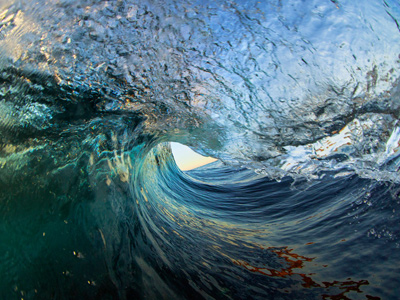
Test your knowledge of wave generators in this enjoyable quiz.
Wave Generators
This GCSE Geography quiz looks at wave generators, exploring how coastal locations can use the power of waves to produce renewable electricity and support sustainable energy supplies.
1 .
Why are on-shore wave generators unlikely to be developed on a large scale?
They look really ugly
No-one can afford to build them
They don't work
Habitat destruction
To get a lot of electricity from wave generators would require large numbers to be built. Large areas of seashore would be damaged and building new access roads to get the people, materials and equipment there to build and maintain them would also destroy wildlife habitats
2 .
What is the name given to the floats used in wave generators?
Ducks
Geese
Barges
Bouncers
The first floats used for wave generators resembled a duck's head
3 .
Which of the following is not a disadvantage of off-shore wave generators?
They need to be built to withstand extreme weather conditions
On-shore wave generators need to be built in remote locations
There are nearly always waves on the sea so they will be constantly in motion
You need a lot of them to generate a small amount of electricity
Make sure that you know the benefits and drawbacks of all of the renewable enrgy resources that you have studied
4 .
What is a renewable resource?
A resource that will quickly replenish itself naturally
A resource that requires careful management
A resource that is mined in Australia
A resource that will last for 100 years
The key here is quickly. Coal, oil and gas will form again at some point in the future, however, the time scale for that to happen is millions of years
5 .
Which of the following is a reason for the government of a country paying for research into wave generators?
They wish to reduce the country's dependence on foreign supplies of fossil fuels
They have a long coastline
They wish to reduce the carbon footprint of the country
All of the above
There are many reasons why governments would wish to invest in renewable energy technologies
6 .
Which of the following countries is least likely to invest in wave generators?
Australia
Japan
The UK
Tibet
Tibet is surrounded by land, the others are all entirely surrounded by sea
7 .
Which of the following is a technical problem of wave generators?
Wave generators are expensive to build
It is difficult to scale them up from wave tank models
They look ugly
It takes many years of research and development to produce a working wave generator
The first and last alternatives are economic problems whilst the third is a social problem
8 .
Which of the following would be an advantage of building on-shore wave generators?
There would be no worries about the wave generators breaking loose at sea
It would be a lot easier to get the electricity to the National Grid
Maintenance would be easier
They are all advantages of on-shore wave generators
They are also simpler and cheaper to build
9 .
Where might wave generators be sited?
In the middle of oceans
A few hundred metres away from the shore
On a beach
In harbours
In the middle of an ocean would be no good because it would be hard to anchor the generators and to get the electricity back to the shore. On a beach would be no good as there would only be waves at high tide. If they were in harbours, they would get in the way of boats and ships
10 .
In what direction do the floats of off-shore wave generators move?
Side to side
Round and round
Backwards and forwards
Up and down
As the waves pass, the floats of an off-shore wave generator will bob up and down



**Unlimited Quizzes Await You! 🚀**
Hey there, quiz champ! 🌟 You've already tackled today's free questions.
Ready for more?
Ready for more?
🔓 Unlock UNLIMITED Quizzes and challenge yourself every day. But that's
not all...
not all...
🔥 As a Subscriber you can join our thrilling "Daily Streak" against other
quizzers. Try to win a coveted spot on our Hall of Fame Page.
quizzers. Try to win a coveted spot on our Hall of Fame Page.
Don't miss out! Join us now and keep the fun rolling. 🎉
**Unlimited Quizzes Await You! 🚀**
Hey there, quiz champ! 🌟 You've already tackled today's free questions. Ready for more?
🔓 Unlock UNLIMITED Quizzes and challenge yourself every day. But that's not all...
🔥 As a Subscriber you can join our thrilling "Daily Streak" against other quizzers. Try to win a coveted spot on our Hall of Fame Page.
Don't miss out! Join us now and keep the fun rolling. 🎉




© Copyright 2016-2026 - Education Quizzes
Work Innovate Ltd - Design | Development |
Marketing
