




Ask the AI Tutor
Need help with Britain: British Society 1931-1951 - The Impact Of The Depression 1931-39? Ask our AI Tutor!
AI Tutor - Lucy
Connecting with Tutor...
Please wait while we establish connection
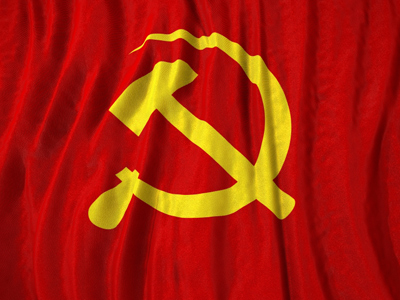
The British Communist Party was strongly involved with the NUUW which represented the millions of unemployed in the 1930s.
Britain: British Society 1931-1951 - The Impact Of The Depression 1931-39
Explore how the Great Depression affected British people between 1931 and 1939, from mass unemployment and hunger marches to government attempts to tackle long term poverty.
1 .
What was the official total of jobless in Britain by 1932?
5 million
2 million
3 million
4 million
The unemployed were mainly from old heavy industrial trades like iron and steel, textiles and ship-building
2 .
One of the worst hit areas in England was Jarrow in the North East. Why did this area suffer an unemployment rate of 60%, a similar rate to that in Merthyr Tydfil in South Wales?
The local workforce lacked particular skills
The town was dependant on one industry, namely ship-building, and when Palmer's, the sole local firm, collapsed, unemployed men had nowhere else to go
A long way from London, it was difficult to bring the town's concerns to the attention of the government
The town was affected by the closure of the local coal mine
Jarrow continued to be an area of high unemployment throughout the 1930s
3 .
The coalition government that followed the Labour administration of 1929-31 was composed of Conservatives, Labour Party figures and some Liberals. By what name is it better known?
The National Coalition
The National Government
The Coalition Government
The Coalition
Many Labour supporters never forgave Ramsay MacDonald for splitting the Party by joining with the hated Tories
4 .
The new government was able to offer certain benefits to unemployed people. However, potential recipients had to satisfy the authorities that they genuinely needed the relevant payments. How did the government establish this?
By a Means Test
By completing a questionnaire
By being interviewed by civil servants
By producing witnesses (e.g. friends and family) to attest to their suitability
The good news was that benefits were available: the bad news was that intrusion into privacy - in one way or another - was involved
5 .
The Special Areas Act of 1934 designated certain parts of the country as liable for special assistance. Which of the following regions was so designated?
The East End of London
Birmingham
Oxford
South Wales
While some areas were extremely distressed, others remained prosperous
6 .
Seebohm Rowntree continued to research the extent of poverty in York. He found that a substantial percentage of local people still fell below the poverty line. What percentage was this in the 1930s?
20%
30%
10%
15%
York had one or two principal employers but the rate of poverty there hardly changed during the 1930s
7 .
John Boyd Orr conducted a famous study of diet in England, written up in his report of 1936. According to him what proportion of people had a poor diet?
5%
10%
20%
7%
Boyd Orr's research was thorough and reflected ongoing problems - depression or no depression
8 .
In 1936 marchers from Jarrow set off for London on their "Hunger March". What task did they carry out when they reached the Houses of Parliament?
The presented a petition on behalf of their town
They held a demonstration in Parliament Square
They visited 10 Downing Street to see the prime minister
They lobbied the Trades Union Congress and Labour Party Headquarters
The march reached its destination, and thus achieved one of its aims
9 .
The prime minister at the time of the Jarrow March was Stanley Baldwin, a Conservative. How did he personally react to the presentation of the Jarrow Marchers' petition?
He agreed to accept the demands contained in the petition at once
He agreed to accept the demands contained in the petition but not until the following year
He ignored the petition altogether
He asked for more time to consider the terms of the petition
This was a difficult one for Baldwin. He did not wish to appear unsympathetic, but he also was unwilling to appear to be giving in to pressure
10 .
Which political party was strongly involved in the National Union of Unemployed Workers, despite having very little electoral clout?
The British Communist Party
The British Union of Fascists
The Independent Labour Party
The Commonwealth Party
The mainstream Labour Party hesitated to identify itself with the NUUW, leaving the way clear for other groups to get involved if they wished to
You can find more about this topic by visiting BBC Bitesize - Depression, war and recovery, 1930-1951



**Unlimited Quizzes Await You! 🚀**
Hey there, quiz champ! 🌟 You've already tackled today's free questions.
Ready for more?
Ready for more?
🔓 Unlock UNLIMITED Quizzes and challenge yourself every day. But that's
not all...
not all...
🔥 As a Subscriber you can join our thrilling "Daily Streak" against other
quizzers. Try to win a coveted spot on our Hall of Fame Page.
quizzers. Try to win a coveted spot on our Hall of Fame Page.
Don't miss out! Join us now and keep the fun rolling. 🎉
**Unlimited Quizzes Await You! 🚀**
Hey there, quiz champ! 🌟 You've already tackled today's free questions. Ready for more?
🔓 Unlock UNLIMITED Quizzes and challenge yourself every day. But that's not all...
🔥 As a Subscriber you can join our thrilling "Daily Streak" against other quizzers. Try to win a coveted spot on our Hall of Fame Page.
Don't miss out! Join us now and keep the fun rolling. 🎉




© Copyright 2016-2026 - Education Quizzes
Work Innovate Ltd - Design | Development |
Marketing
