




Ask the AI Tutor
Need help with USA: 1840-1895- Plains Indians, Settling And Spread Of Cattle-Ranching? Ask our AI Tutor!
AI Tutor - Lucy
Connecting with Tutor...
Please wait while we establish connection
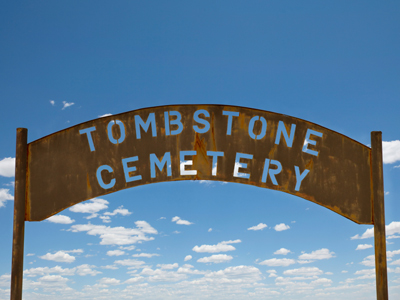
The Gunfight at the OK Corral took place near the town of Tombstone, Arizona.
USA: 1840-1895- Plains Indians, Settling And Spread Of Cattle-Ranching
This GCSE History quiz explores the Plains Indians, white settlement, and the growth of cattle ranching on the American Plains between 1840 and 1895.
1 .
From which state did cattle-ranchers originally spread into the Great Plains?
Texas
Arkansas
Kentucky
Georgia
The Great Plains seemed to offer wide open spaces with few rivals for occupation of the vast areas of unfenced land
2 .
After 1865 there was more competition from other groups for land in the Great Plains. Which of the following groups competed with the cattle-ranchers for land from 1865 onwards?
Former Confederate troops following their defeat in the US Civil War
European immigrants fleeing persecution and economic depression
Soldiers from the victorious Northern army in the recently-ended American Civil War
Unsuccessful settlers from the West Coast
Land was freely available on very advantageous terms, but any newcomers were likely to encounter difficulties with their rivals, the cattle-ranchers. And there were only a few local officials entrusted with enforcing the law
3 .
Between 1865 and 1870 large numbers of cattle were driven across the plains to Missouri, where they were put onto trains for the journey to Chicago. What were the overland journeys called?
Long Drives
Inter-state Drives
Meat Trails
Stock Drives
The route to Missouri was hard: extremes of weather, poor tracks and lack of shelter and food were among the difficulties
4 .
The Homestead Acts - particularly that of 1862 - gave the ranchers' rivals easy terms to acquire land. 160 acres were available for each family provided that they worked the land for a fixed period of years. How many years was this?
3 years
8 years
5 years
10 years
Thus the Homesteaders were encouraged to commit themselves to their new work and lifestyle
5 .
Railroad companies were similarly courted by the government, and they were offered more land than they needed to lay down the track. How much were they given either side of the rails?
2 miles
1 mile
500 yards
100 yards
The Federal Government hoped that the railway companies would develop their surplus land, and thus have a stake in the territory beyond the permanent way (the actual railway track)
6 .
What name was given to land in the Great Plains that was unfenced and free for anyone to use?
Open Land
Common Land
People's Land
Open Range
This phenomenon persisted into the 1890s, and many people took advantage of it
7 .
The shootout at the OK Corral was a notorious incident in October 1881, that showed the rough and ready approach to law and order in the old West. Near which town did this incident take place?
Denver, Colorado
Dallas, Texas
Tombstone, Arizona
Kansas City, Kansas
This was a clash between local sheriffs and the Clanton Gang
8 .
What do Pat Garrett and Wyatt Earp have in common?
They were both gangsters in the original "Wild West"
They both fought on the side of law and order
They both escaped from gaol, where they were serving terms for firearms offences
They had both been accused of cattle-rustling, but each had been acquitted of the charge
They were both armed to the teeth, and skilled in the use of firearms
9 .
A war erupted in Wyoming in 1892 between "Homesteaders" and cattle-ranchers. In which county did this event take place?
Davis County
Johnson County
Emmerson County
Clyde County
Mutual accusations of land theft and cattle-rustling led to open warfare, won by the Homesteaders
10 .
For land to be designated a "territory" at this time it would need to have a population of 5,000. What population would be required for "state" status?
10,000
25,000
75,000
60,000
A territory would qualify for some federal assistance in securing law and order. However a state would receive much more aid



**Unlimited Quizzes Await You! 🚀**
Hey there, quiz champ! 🌟 You've already tackled today's free questions.
Ready for more?
Ready for more?
🔓 Unlock UNLIMITED Quizzes and challenge yourself every day. But that's
not all...
not all...
🔥 As a Subscriber you can join our thrilling "Daily Streak" against other
quizzers. Try to win a coveted spot on our Hall of Fame Page.
quizzers. Try to win a coveted spot on our Hall of Fame Page.
Don't miss out! Join us now and keep the fun rolling. 🎉
**Unlimited Quizzes Await You! 🚀**
Hey there, quiz champ! 🌟 You've already tackled today's free questions. Ready for more?
🔓 Unlock UNLIMITED Quizzes and challenge yourself every day. But that's not all...
🔥 As a Subscriber you can join our thrilling "Daily Streak" against other quizzers. Try to win a coveted spot on our Hall of Fame Page.
Don't miss out! Join us now and keep the fun rolling. 🎉




© Copyright 2016-2026 - Education Quizzes
Work Innovate Ltd - Design | Development |
Marketing
