




Ask the AI Tutor
Need help with USA: 1919-1932 - The US Economy In The 1920s? Ask our AI Tutor!
AI Tutor - Lucy
Connecting with Tutor...
Please wait while we establish connection
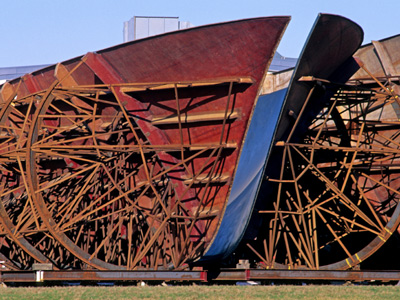
America's shipbuilding industry declined during the 1920s.
USA: 1919-1932 - The US Economy In The 1920s
Explore the booming US economy of the 1920s in this GCSE History quiz, from mass production and easy credit to confidence, inequality and warning signs before the Crash.
1 .
During this period United States governments imposed taxes on the import of foreign goods in order to protect the domestic market. What were such duties called?
Levies
Tariffs
Emoluments
Fees
Foreign states replied in kind: thus the US found it harder to export its surplus goods abroad, leading to greater unemployment
2 .
Many people were tempted to buy shares traded on the New York Stock Exchange using the "on the margin system". What did this mean?
Borrowing from banks to find the purchase price
Buying at a reduced price for a cash deal
Taking out an insurance policy against the possibility of the share value going down
Paying a reduced commission to the stockbroker in return for lower dividends
Many people, who had not been involved with the stock market before, were encouraged to buy, believing that the boom in share prices was bound to continue
3 .
Which of the following is an example of a declining industry, which was unable to benefit from the new ideas that circulated in the 1920s, and which therefore declined further?
Shipbuilding
Textiles
Shoemaking
Brewing
Well before the great crash of 1929 not all of America's old, traditional industries prospered
4 .
Which of the following list of US presidents during this period was not a Republican?
Harding
Woodrow Wilson
Hoover
Coolidge
Republicans were opposed to any state interference in the economy, believing that any problems would iron themselves out naturally
5 .
Black Americans missed out on the 1920s spree, but they had always experienced discrimination - so this was nothing new. Which laws discriminated against them, particularly in voting rights?
The Penal Laws
Old Squaw Laws
Jim Crow Laws
Uncle Tom Laws
Black Americans suffered a high rate of unemployment, and were lower paid - even if they had jobs
6 .
Which method of purchase became popular in the US before 1929, whereby buyers obtained a loan from the retailer in order to complete the transaction?
Mail order
Hire purchase
Discounted buying
Using a credit card
Failure to maintain instalments meant forfeiture of the goods, no matter how much of the price had been already paid
7 .
What was the minimum registered unemployment figure in the US throughout the 1920s?
5 million
2 million
1 million
7 million
Even during the boom years there was never full employment in the US
8 .
Which group of Americans had invested in new land and equipment in order to export to Europe during the Great War, and then found themselves often bankrupt when the war ended?
Coal owners
Steelmen
Arms manufacturers
Farmers
This group never benefited from the 1920s economic boom, and suffered even worse when it came to an end. Many had borrowed heavily during the war, and found it hard to repay these loans after 1918
9 .
What nickname was given to the 1920s decade, suggesting a furious pace of life and rapid changes?
The Cool Twenties
The Fabulous Twenties
The Roaring Twenties
The Terrific Twenties
There was a boom in consumer goods, and much disposable income was spent on entertainment
10 .
Which US businessman of this era was most closely identified with mass production, which led to cheaper goods and - temporarily - to more employment?
Rockefeller
Carnegie
Dow
Henry Ford
Many factories had assembly lines, with each worker carrying out only one or two tasks before the product moved on to the next stage
You can find more about this topic by visiting BBC Bitesize - The USA: A nation of contrasts, 1910-1929



**Unlimited Quizzes Await You! 🚀**
Hey there, quiz champ! 🌟 You've already tackled today's free questions.
Ready for more?
Ready for more?
🔓 Unlock UNLIMITED Quizzes and challenge yourself every day. But that's
not all...
not all...
🔥 As a Subscriber you can join our thrilling "Daily Streak" against other
quizzers. Try to win a coveted spot on our Hall of Fame Page.
quizzers. Try to win a coveted spot on our Hall of Fame Page.
Don't miss out! Join us now and keep the fun rolling. 🎉
**Unlimited Quizzes Await You! 🚀**
Hey there, quiz champ! 🌟 You've already tackled today's free questions. Ready for more?
🔓 Unlock UNLIMITED Quizzes and challenge yourself every day. But that's not all...
🔥 As a Subscriber you can join our thrilling "Daily Streak" against other quizzers. Try to win a coveted spot on our Hall of Fame Page.
Don't miss out! Join us now and keep the fun rolling. 🎉




© Copyright 2016-2026 - Education Quizzes
Work Innovate Ltd - Design | Development |
Marketing
