




Ask the AI Tutor
Need help with USA: 1932-1941 - The Presidential Election Of 1932 And The First New Deal? Ask our AI Tutor!
AI Tutor - Lucy
Connecting with Tutor...
Please wait while we establish connection
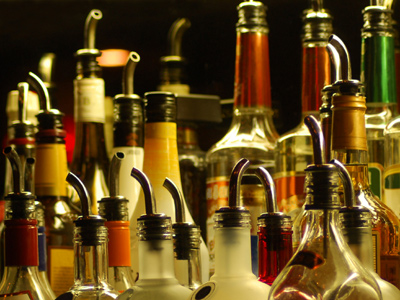
Franklyn D. Roosevelt repealed the unpopular law prohibiting the sale, production, transport or import of alcohol.
USA: 1932-1941 - The Presidential Election Of 1932 And The First New Deal
This GCSE History quiz explores the 1932 US election and the First New Deal, asking how voters judged Hoover and Roosevelt during the Great Depression.
1 .
Which song did FDR choose as his campaign anthem in 1932?
"Somewhere over the Rainbow"
"Oh! What a beautiful morning!"
"Happy Days are here again!"
"You'll never walk alone"
FDR's optimism was catching
2 .
FDR earned early popularity by repealing a measure passed over twenty years before. What name is given to this law?
Deconstruction
Prohibition
Austerity
The Liquor Law
This measure had been extremely unpopular, and had not worked. Indeed it had achieved the exact opposite of its supporters' intentions
3 .
How did FDR like to communicate to the American people what he was trying to achieve?
By radio
By TV
Through articles in popular newspapers
By large public meetings on regular tours of the country
FDR was a good communicator, but his advisers wondered which would be the best method
4 .
In the so-called Alphabet Agencies FDR planned to spend federal money on new infrastructure. One - the TVA - was restricted to one state. Which state was this?
Texas
Tennessee
Vermont
Alabama
The federal intention was to boost electricity production and to relieve farmers' poverty
5 .
Who ran against FDR in 1932 for the Republicans?
Calvin Coolidge
Robert Taft
Herbert Hoover
Charles Curtis
Hoover was the incumbent president, but some Republicans felt that he was discredited by the failures of the previous four years
6 .
FDR's first statement to the American people concerned the banking crisis. He was especially worried by "bank runs". What are these?
Banks refusing to let their customers take money out of their accounts
Banks becoming bankrupt as more and more customers removed their money, causing a frenzy to develop
Banks refusing to pay interest on any kind of account
Banks paying customers' deposits into inaccessible foreign accounts
If FDR could solve the banking problem, confidence might return to the rest of the economy
7 .
Roosevelt simplified his aims in the First New Deal into the three R's. What did they stand for?
Recompense, Renewal and Rebirth
Relief, Recovery and Reform
Renaissance, Redemption and Revival
Remedy, Resource and Reformation
Three alliterative words were repeated regularly by Democrat spokesmen
8 .
Roosevelt carried out major reforms in the early period of the First New Deal. What name was given to this heady time?
The 100 Days
The Six Weeks War on Poverty
The Year to Remember
The Time for Change
FDR had promised rapid action: now he had to deliver it
9 .
Some of America's brightest graduates worked for FDR, providing policy advice. What was this group called?
The Three Wise Men
The Policy Wonks
The Treasury Advisory Committee
The Brain Trust
There were other advisers, but this group was youthful and radical in its recommendations
10 .
What had been Roosevelt's previous job before becoming President?
Chief Justice of the Supreme Court
Head of a private business corporation
Governor of New York State
Mayor of New York City
FDR came from a wealthy and privileged background in New England. He had, however, developed a strong social conscience, and he was determined to try a new approach to America's problems



**Unlimited Quizzes Await You! 🚀**
Hey there, quiz champ! 🌟 You've already tackled today's free questions.
Ready for more?
Ready for more?
🔓 Unlock UNLIMITED Quizzes and challenge yourself every day. But that's
not all...
not all...
🔥 As a Subscriber you can join our thrilling "Daily Streak" against other
quizzers. Try to win a coveted spot on our Hall of Fame Page.
quizzers. Try to win a coveted spot on our Hall of Fame Page.
Don't miss out! Join us now and keep the fun rolling. 🎉
**Unlimited Quizzes Await You! 🚀**
Hey there, quiz champ! 🌟 You've already tackled today's free questions. Ready for more?
🔓 Unlock UNLIMITED Quizzes and challenge yourself every day. But that's not all...
🔥 As a Subscriber you can join our thrilling "Daily Streak" against other quizzers. Try to win a coveted spot on our Hall of Fame Page.
Don't miss out! Join us now and keep the fun rolling. 🎉




© Copyright 2016-2026 - Education Quizzes
Work Innovate Ltd - Design | Development |
Marketing
