




Ask the AI Tutor
Need help with Historical Development of Art? Ask our AI Tutor!
AI Tutor - Lucy
Connecting with Tutor...
Please wait while we establish connection
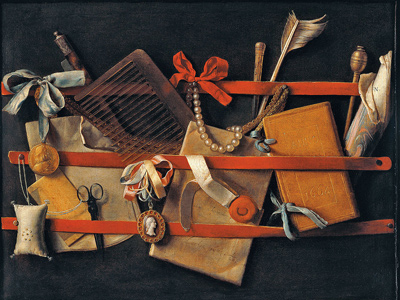
Trompe-l'œil is a technique which makes a painting look 3D.
Historical Development of Art
Art has changed over time. See how people made pictures long ago, and how new ideas helped artists draw, paint, and show stories in different ways.
1 .
Chinese painting is one of the oldest art forms that continues to exist today. Where did it first appear?
On cave ceilings
On palace roofs
On the Great Wall of China
On items of pottery
Very early Chinese painting included spirals, dots, squiggly lines, and various animals
2 .
Early Indian paintings usually had what as their subjects?
Birds or animals
Fish or whales
Buildings or transport
Gods or kings
Sometimes the paintings were huge but some were incredibly small and detailed
3 .
Gothic Art developed in France in the 12th century. It can mostly be seen where?
On the floors of libraries
On the walls of abbeys and cathedrals
On the side of office buildings
Underneath railway bridges
Gothic art was heavily influenced by the Bible
4 .
Ancient Roman paintings give the first example of a trompe-l'œil. What does this mean?
A trick of the eye
A trumpet covered in oil
A town and a wheel
A trampled egg
An example would be of a door painted onto the wall, but made to look real
5 .
Very early examples of art can be found on cave walls, painted thousands of years ago. What might have been used as paint?
Wax crayons
Water colours
Dirt
Oil pastels
The dirt or charcoal would have been mixed with spit or animal fat to make paint!
6 .
The Ancient Egyptians produced wall paintings, architecture and sculptures. Which creature did they like to sculpt in particular?
Worms
Cats
Sharks
Sparrows
Many Egyptians worshipped their cats like gods!
7 .
Paintings from centuries ago are useful today. Why might this be?
They give us a glimpse of life in the past
The are still nice to look at
Some new artists might want to copy them
They are good if they're made into postcards
We can see what daily life was like, how buildings used to look and how the world has changed
8 .
Many things have influenced art over history. What have been two major influences?
Nature and food
War and religion
Buildings and construction
Transport and communication
There have been many more influences over the years but these two things have had a huge impact
9 .
At the beginning of the 20th century, several artists developed what we now call what?
Ancient art
Unusual art
Popular art
Modern art
Modern art covers all sorts of styles and movements and is changing and developing all the time
10 .
The Ancient Greeks were great artists. What did they often paint on vases?
Flowers and plants
People and animals
Cars and trains
Lots of lines
The pictures on the vases often told a story



**Unlimited Quizzes Await You! 🚀**
Hey there, quiz champ! 🌟 You've already tackled today's free questions.
Ready for more?
Ready for more?
🔓 Unlock UNLIMITED Quizzes and challenge yourself every day. But that's
not all...
not all...
🔥 As a Subscriber you can join our thrilling "Daily Streak" against other
quizzers. Try to win a coveted spot on our Hall of Fame Page.
quizzers. Try to win a coveted spot on our Hall of Fame Page.
Don't miss out! Join us now and keep the fun rolling. 🎉
**Unlimited Quizzes Await You! 🚀**
Hey there, quiz champ! 🌟 You've already tackled today's free questions. Ready for more?
🔓 Unlock UNLIMITED Quizzes and challenge yourself every day. But that's not all...
🔥 As a Subscriber you can join our thrilling "Daily Streak" against other quizzers. Try to win a coveted spot on our Hall of Fame Page.
Don't miss out! Join us now and keep the fun rolling. 🎉




© Copyright 2016-2026 - Education Quizzes
Work Innovate Ltd - Design | Development |
Marketing
