




Ask the AI Tutor
Need help with Year 2 - Contractions Part 1? Ask our AI Tutor!
AI Tutor - Lucy
Connecting with Tutor...
Please wait while we establish connection
Learn to use contractions in your writing and stories.
Year 2 - Contractions Part 1
Learn how contractions make writing shorter. Practise using apostrophes to show missing letters in common words like don’t, can’t, and I’m.
1 .
I ____ go in there if I was you.
wouldn't
wooldn't
woudn't
woudnt'
The words would and not are being combined here.
2 .
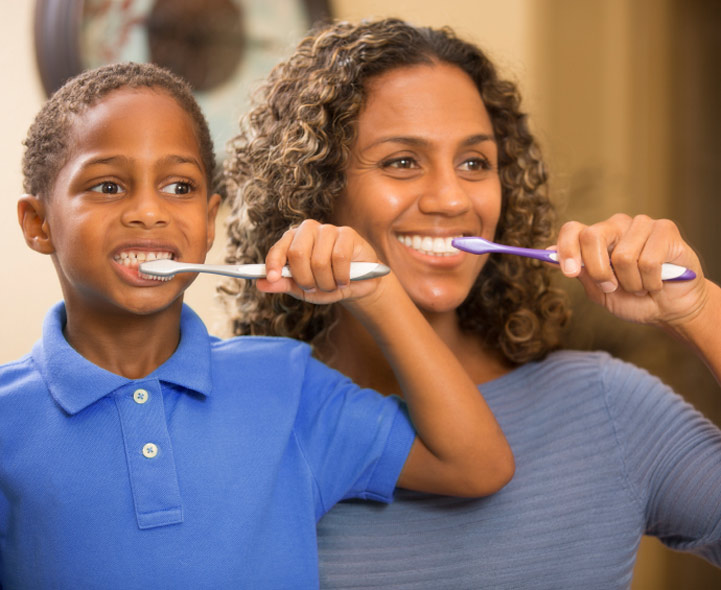
You ____ go to sleep without brushing your teeth.
should'ot
shouldn't
shoudn't
shouldnt'
The apostrophe represents the missing letter - in this case, the 'o'.
3 .
____ you want to taste the broccoli?

Diddn't
Didn't
Did't
Did'nt
The two words being contracted here are did and not.
4 .
I ____ believe my eyes.

couldno't
could'nt
could't
couldn't
This means he watched the magic trick and he could not believe what he saw!
5 .
If you don't do as I say ____ tell your mum.

I'll
I'sle
Ais'le
I'l
The first three words are homophones, this means they sound the same. I'll, isle and aisle are all pronounced the same way but mean different things.
6 .
You ____ have another biscuit.
carnt
carn't
can't
cann't
We are pushing can and not together. The apostrophe is replacing the letters 'no'.
7 .
I ____ seen you in ages!

haven't
havenot'
hav'nt
have'nt
For this one, the apostrophe replaces one letter.
8 .
____ going to go on a diet tomorrow!

I'me
I'm
Ia'm
I'am
The word I'm is I and am squished together.
9 .
____ been a long day and ____ not ended yet!
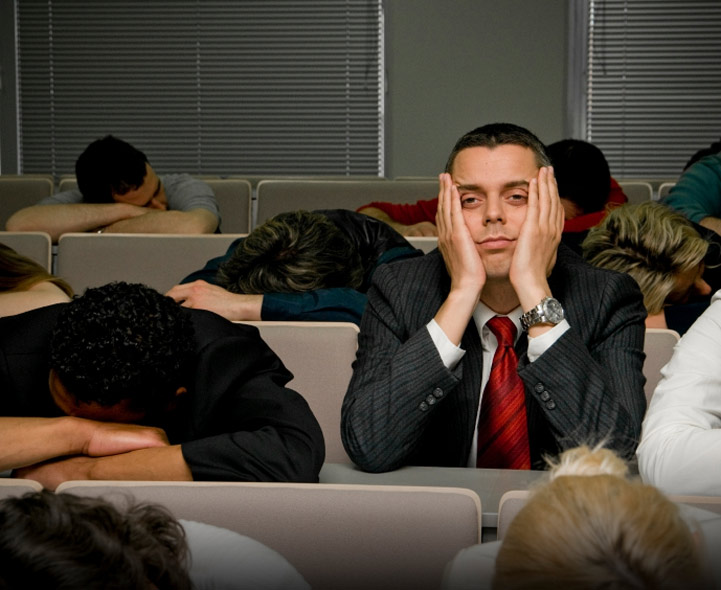
Its and its
It's and its
Its and it's
It's and it's
The first 'it's' represents the words it and has; the second 'it's' represents the words it and is.
10 .
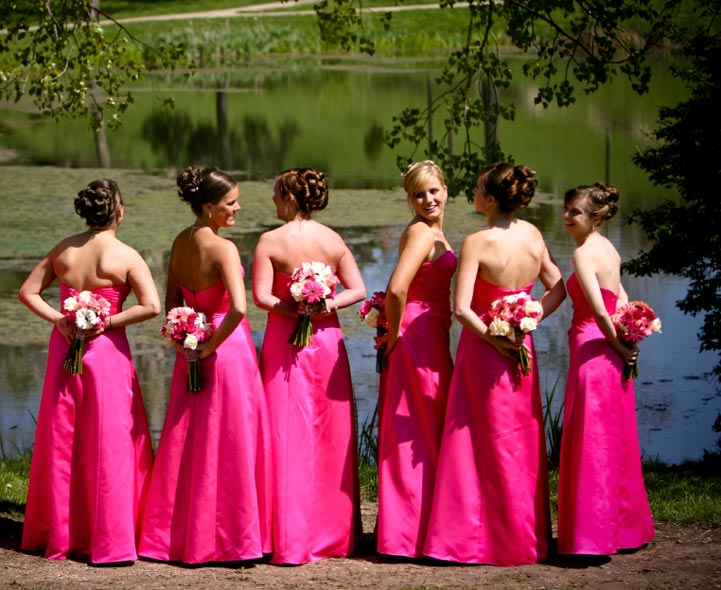
Surprise! ____ going to be a bridesmaid!
Your'e
Youre
You're
Yuor'e
It's an honour to be a bridesmaid and usually means you are close friends or relatives with the bride.



**Unlimited Quizzes Await You! 🚀**
Hey there, quiz champ! 🌟 You've already tackled today's free questions.
Ready for more?
Ready for more?
🔓 Unlock UNLIMITED Quizzes and challenge yourself every day. But that's
not all...
not all...
🔥 As a Subscriber you can join our thrilling "Daily Streak" against other
quizzers. Try to win a coveted spot on our Hall of Fame Page.
quizzers. Try to win a coveted spot on our Hall of Fame Page.
Don't miss out! Join us now and keep the fun rolling. 🎉
**Unlimited Quizzes Await You! 🚀**
Hey there, quiz champ! 🌟 You've already tackled today's free questions. Ready for more?
🔓 Unlock UNLIMITED Quizzes and challenge yourself every day. But that's not all...
🔥 As a Subscriber you can join our thrilling "Daily Streak" against other quizzers. Try to win a coveted spot on our Hall of Fame Page.
Don't miss out! Join us now and keep the fun rolling. 🎉




© Copyright 2016-2026 - Education Quizzes
Work Innovate Ltd - Design | Development |
Marketing
