




Ask the AI Tutor
Need help with Year 2 - Spelling Review 1? Ask our AI Tutor!
AI Tutor - Lucy
Connecting with Tutor...
Please wait while we establish connection

See how many of these words you remember from the earlier spelling quizzes. Good luck!
Year 2 - Spelling Review 1
This spelling review helps you practise Year 2 patterns, tricky words, and neat punctuation. Try to spot the rule before you choose your answer.
1 .
I ____ pass that sign if I were you!

wooldnt
wouldnt
wouldn't
would'nt
Here we are joining the words would and not together but erasing the 'o'.
2 .
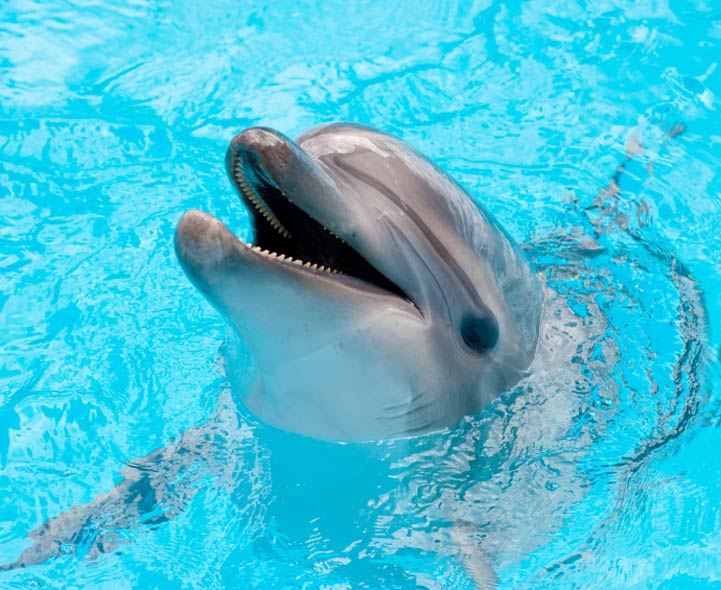
Dolphins are the ____ creatures in the world!
happiest
happyest
happyiest
hapyiest
If you are changing the root word, like happy, and it ends in a 'y' - we replace the 'y' for an 'i'.
3 .
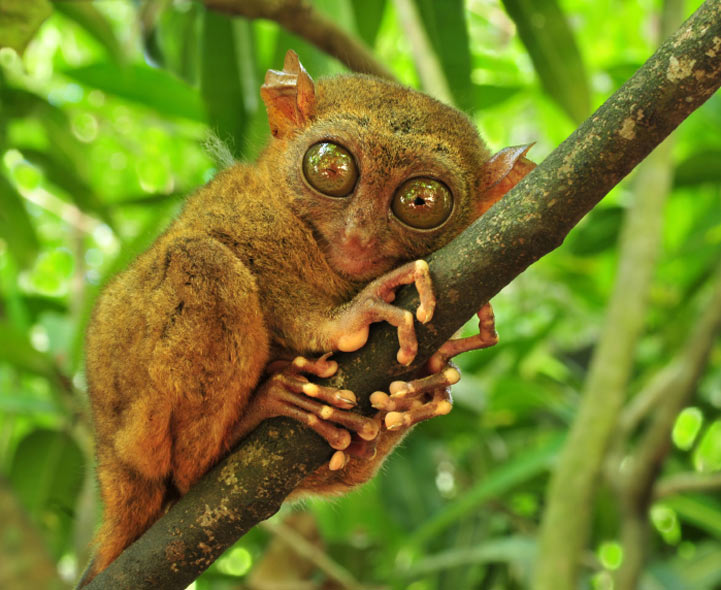
I ____ seen one of these animals before.
havent
have'nt
haven't
havn't
The apostrophe replaces the missing 'o'.
4 .
Breaking his arm was a very ____ experience.

panefall
painful
painfal
painfull
By adding the suffix 'ful' we are saying that he was full of pain!
5 .
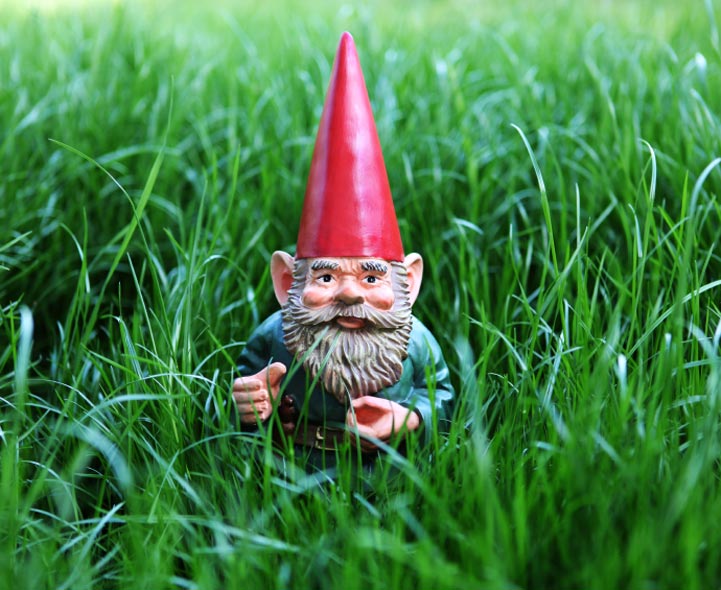
This little man is a garden ____.
nome
knome
gnome
nowme
This word has a silent 'g'.
6 .
They hung my painting in a ____.

gallery
gallary
galary
galery
You can see plenty of modern art at the Tate Modern in London and admission is free.
7 .
For this you will need coloured ____ and a piece of paper.

pencals
pensils
pencils
pensuls
This spelling pattern looked at the 'il' sound when it made an 'al' sound instead.
8 .
Your ____ won't get lost in this train ____.

child and stashun
child and stasion
childe and stasion
child and station
The end of station sounds like 'shun' but is spelt 'tion'.
9 .
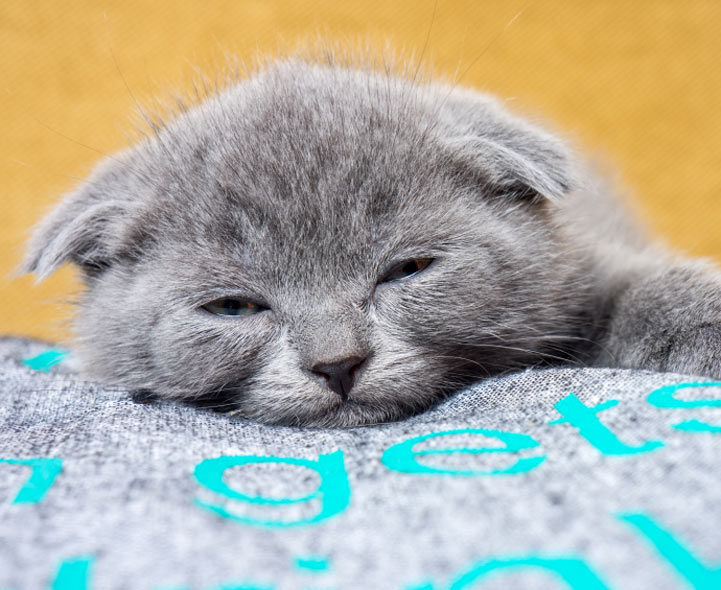
This is the ____ cat in the whole world!
sadest
saddest
saddist
sadist
We need to add 'd' then 'est' onto the word 'sad'.
10 .
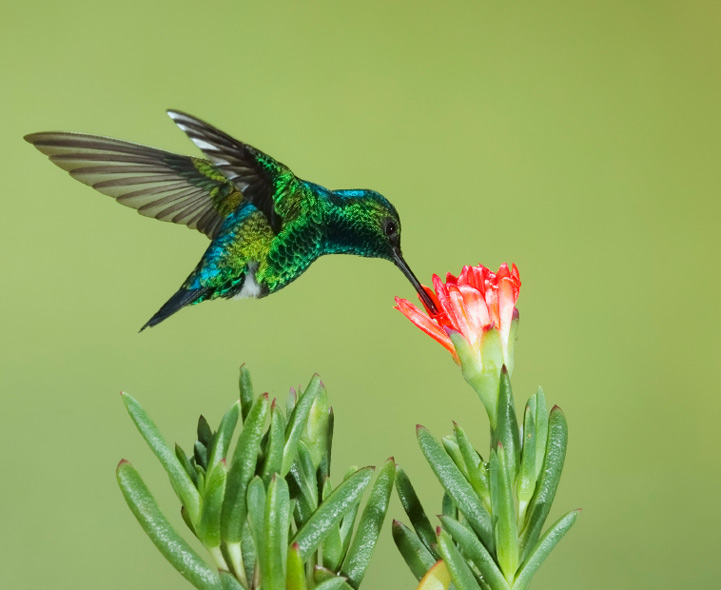
The bird was ____ as it flew around the flower.
huming
humin
hummin
humming
It happens to be a hummingbird. The word 'hum' has a short vowel sound, so we need to double the last letter then add 'ing'.
Our Social Circles




**Unlimited Quizzes Await You! 🚀**
Hey there, quiz champ! 🌟 You've already tackled today's free questions.
Ready for more?
Ready for more?
🔓 Unlock UNLIMITED Quizzes and challenge yourself every day. But that's
not all...
not all...
🔥 As a Subscriber you can join our thrilling "Daily Streak" against other
quizzers. Try to win a coveted spot on our Hall of Fame Page.
quizzers. Try to win a coveted spot on our Hall of Fame Page.
Don't miss out! Join us now and keep the fun rolling. 🎉
**Unlimited Quizzes Await You! 🚀**
Hey there, quiz champ! 🌟 You've already tackled today's free questions. Ready for more?
🔓 Unlock UNLIMITED Quizzes and challenge yourself every day. But that's not all...
🔥 As a Subscriber you can join our thrilling "Daily Streak" against other quizzers. Try to win a coveted spot on our Hall of Fame Page.
Don't miss out! Join us now and keep the fun rolling. 🎉
© Copyright 2016-2026 - Education Quizzes
Work Innovate Ltd - Design | Development |
Marketing
