




Ask the AI Tutor
Need help with Year 2 - Tricky words 6? Ask our AI Tutor!
AI Tutor - Lucy
Connecting with Tutor...
Please wait while we establish connection

They may be tricky words, but they are commonly used so you'll need to learn them!
Year 2 - Tricky words 6
Tricky words do not always sound how they look. This Year 2 quiz helps children practise common tricky spellings so they can read and write them correctly.
1 .
She hates showers but loves a ____.

bath
barth
barf
batfh
Bath is also a place in England.
2 .
She will ____ you the file.

parss
parse
passe
pass
The word 'file' is a noun and also a verb because you can file your nails.
3 .
The bar was very ____.

bizzy
bizy
buzy
busy
Busy sounds like there is a 'z' in it but there isn't - that's why it's a tricky spelling.
4 .
I ____ do love lollipops.

shore
sure
shure
shoor
The first shore is what you get at the seaside and the second one makes sense in our sentence.
5 .
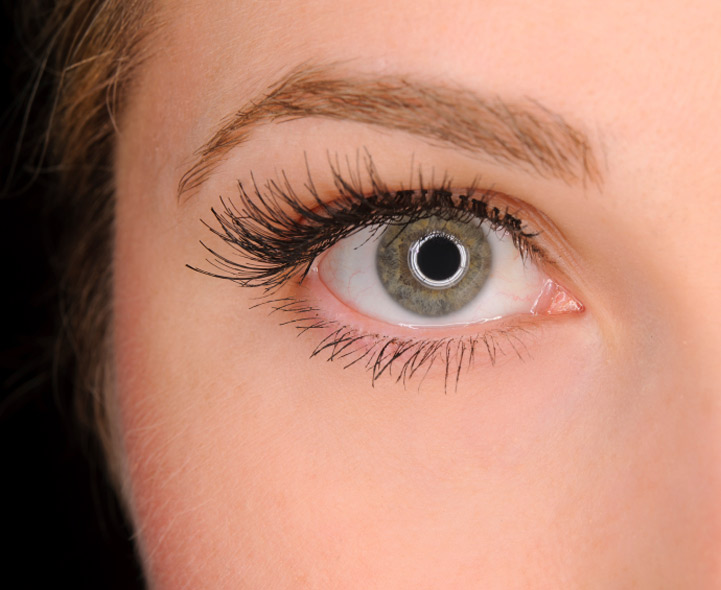
This is a picture of only one of her ____.
I's
ies
eyes
eys
If someone says you are a 'green-eyed monster' that doesn't mean you have green eyes - it means you are being jealous.
6 .
Would you like a glass of ____?

warter
worter
water
watter
The scientific term for water is H2O.
7 .
____ I dance when nobody is ____.

Sumtimes and wotching
Sometimes and watching
Sumtimes and watching
Sometimes and wotching
Here the 'o' in sometimes sounds like a 'u' and the 'a' in watching sounds like an 'o'!
8 .
His team came ____ in the tournament.

larst
last
larste
lasst
He shouldn't be too sad because it's the taking part that counts.
9 .
____ coin has a heads and a tails.

Evry
Every
Evary
Evrie
People often flip a coin to make decisions for them and they choose either heads or tails.
10 .
The opposite of odd numbers are ____ numbers.

evan
eeven
even
eaven
Even numbers can also be halved evenly.
Our Social Circles




**Unlimited Quizzes Await You! 🚀**
Hey there, quiz champ! 🌟 You've already tackled today's free questions.
Ready for more?
Ready for more?
🔓 Unlock UNLIMITED Quizzes and challenge yourself every day. But that's
not all...
not all...
🔥 As a Subscriber you can join our thrilling "Daily Streak" against other
quizzers. Try to win a coveted spot on our Hall of Fame Page.
quizzers. Try to win a coveted spot on our Hall of Fame Page.
Don't miss out! Join us now and keep the fun rolling. 🎉
**Unlimited Quizzes Await You! 🚀**
Hey there, quiz champ! 🌟 You've already tackled today's free questions. Ready for more?
🔓 Unlock UNLIMITED Quizzes and challenge yourself every day. But that's not all...
🔥 As a Subscriber you can join our thrilling "Daily Streak" against other quizzers. Try to win a coveted spot on our Hall of Fame Page.
Don't miss out! Join us now and keep the fun rolling. 🎉
© Copyright 2016-2026 - Education Quizzes
Work Innovate Ltd - Design | Development |
Marketing
