




Ask the AI Tutor
Need help with Adverbs 1? Ask our AI Tutor!
AI Tutor - Lucy
Connecting with Tutor...
Please wait while we establish connection

The balloon popped noisily in my face! Do you know which word is the adverb?
Adverbs 1
Find out how adverbs tell us more about actions, explaining how, when, and where something happens, to make KS1 sentences clearer, neater, and more interesting.
To see a larger image, click on the picture.
1 .
'The aeroplane landed safely.' Which word is an adverb?

The
aeroplane
landed
safely
The English way to spell aeroplane is like this but in America they write 'airplane'.
2 .
Finish this sentence: The boys were working...

busily.
when.
the.
apple.
There are lots of adverbs to choose from, so make sure you add them in your writing.
3 .
Finish this sentence: He wrote the letter very...

letter.
neatly.
house.
loudly.
Make sure the adverb you use makes sense.
4 .
'The young mother looked proudly at her baby.' Which words are the verb and adverb?

The young
mother looked
looked proudly
her baby
Try to write the verb then the adverb when possible.
5 .
'The snail crept slowly along the garden path.' Which words are the verb and adverb?

snail crept
crept slowly
slowly along
garden path
You will often see snails in the garden after rain.
6 .
Why do we use adverbs?

To make our writing more interesting and add to the verb.
To fill our page with writing.
To help us learn to spell.
To make a noun sound more interesting.
When we write, we want to interest the reader. By adding description to our verbs, we are making our stories more enjoyable.
7 .
'The old man nodded...' Which adverb could not follow?
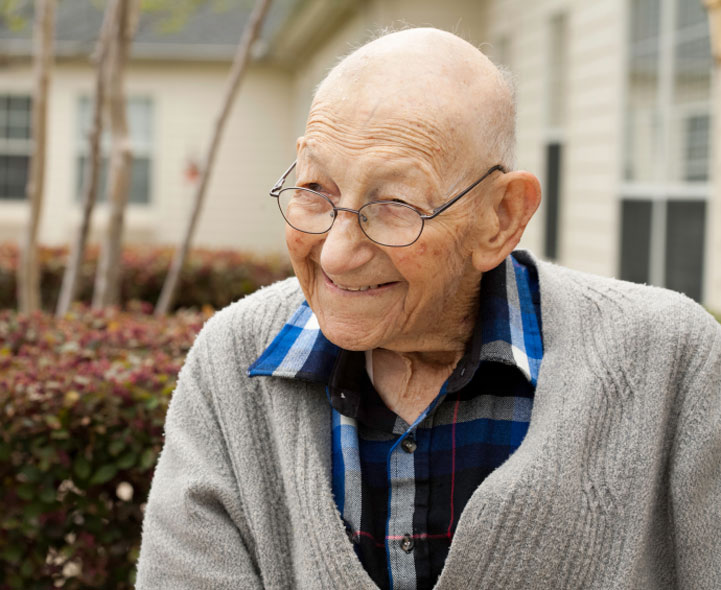
sleepily.
slowly.
angrily.
loudly.
Every sentence you write has the potential to include an adverb.
8 .
Which of these words is not an adverb?
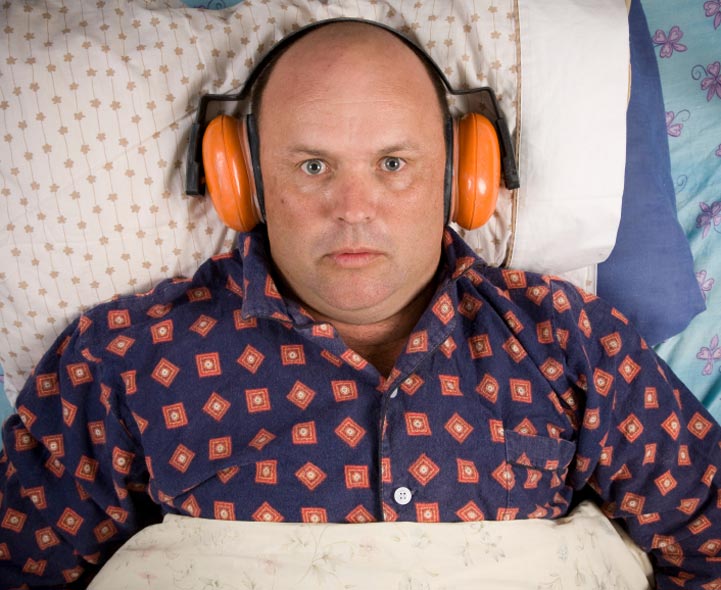
noisily
loudly
headphones
angrily
Many adverbs end in 'ly'.
9 .
Which word is not an adverb?

heavily
weights
easily
luckily
An adverb adds to and describes a verb.
10 .
'The flames spread quickly.' Which word is an adverb?
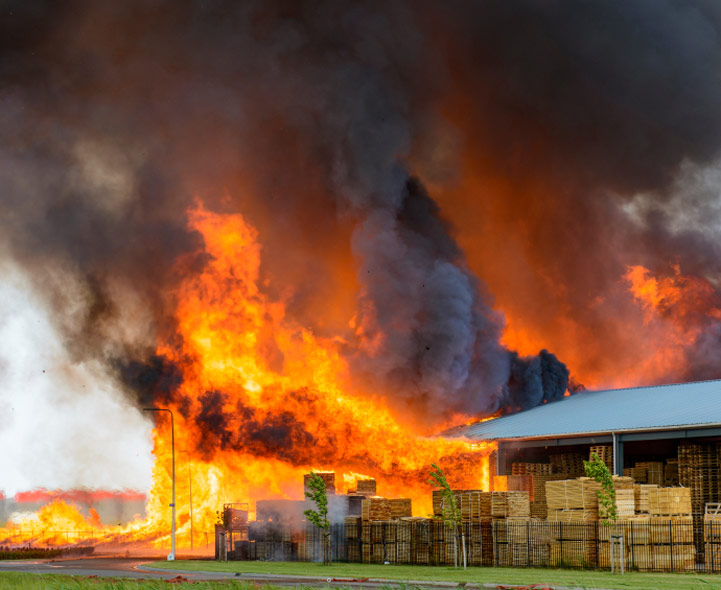
flames
quickly
spread
The
It is important that every house has a fire alarm and that the owners check it regularly.
Our Social Circles




**Unlimited Quizzes Await You! 🚀**
Hey there, quiz champ! 🌟 You've already tackled today's free questions.
Ready for more?
Ready for more?
🔓 Unlock UNLIMITED Quizzes and challenge yourself every day. But that's
not all...
not all...
🔥 As a Subscriber you can join our thrilling "Daily Streak" against other
quizzers. Try to win a coveted spot on our Hall of Fame Page.
quizzers. Try to win a coveted spot on our Hall of Fame Page.
Don't miss out! Join us now and keep the fun rolling. 🎉
**Unlimited Quizzes Await You! 🚀**
Hey there, quiz champ! 🌟 You've already tackled today's free questions. Ready for more?
🔓 Unlock UNLIMITED Quizzes and challenge yourself every day. But that's not all...
🔥 As a Subscriber you can join our thrilling "Daily Streak" against other quizzers. Try to win a coveted spot on our Hall of Fame Page.
Don't miss out! Join us now and keep the fun rolling. 🎉
© Copyright 2016-2026 - Education Quizzes
Work Innovate Ltd - Design | Development |
Marketing
