




Ask the AI Tutor
Need help with Investigating - Simple Tests? Ask our AI Tutor!
AI Tutor - Lucy
Connecting with Tutor...
Please wait while we establish connection

How could you find out which colour is most people's favourite?
Investigating - Simple Tests
In this KS1 Science quiz, explore simple tests. Change one thing, watch carefully, and explain your ideas using "because" to show what your results mean.
1 .
‘How do camels survive the heat of the Sahara Desert?’ How could you find out at school?

Heat sand on a tray
Look it up in a book or on the internet
Look in an atlas
Filter sandy water into a beaker
This one you will have to look up!
2 .
A class at school want to find out which habitat centipedes like best. They decide to look in different places.
They look under a large stone, in leaf litter, under a log, and under a hedge.
What should they count?
They look under a large stone, in leaf litter, under a log, and under a hedge.
What should they count?
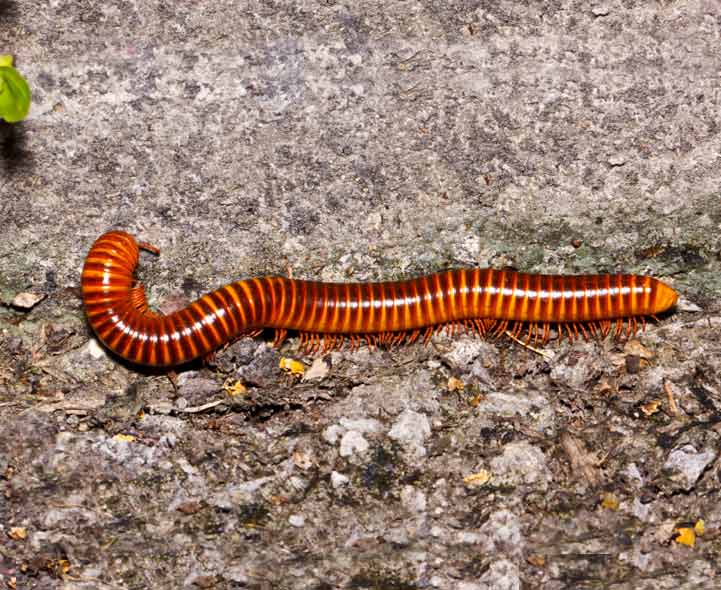
The number of mini-beasts
The number of centipedes
The number of woodlice
The number of beetles
Mini-beasts live in micro-habitats
3 .
Natasha is keeping a weather diary. How can she record how much cloud there is every day?

Count the number of clouds
Write down the fraction of the sky covered by cloud
Write down the colour of the clouds
Write down how often it rains
What fraction of the sky in the picture is covered by cloud?
4 .
Jacob wants to know which lumps of play dough are heaviest? What can he do?
Hold them in his hands
Measure how far across they are
Use a balance
See which one rolls furthest
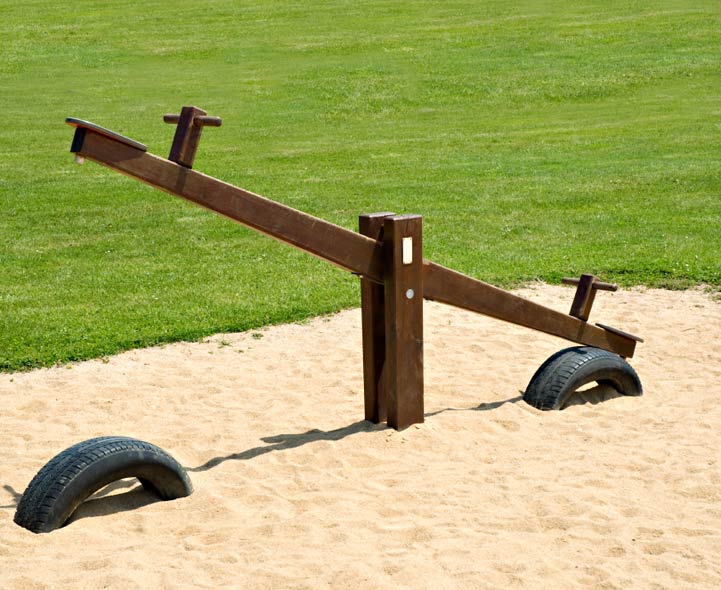
A see-saw is a balance
5 .
Freddie asks, ‘When do frogs lay spawn?’ How can Freddie find out?
Check his local pond every week
Look it up in a book about frogs
Search for frogs on the internet
Use all three of the ways above
All three ways help Freddie to find out.
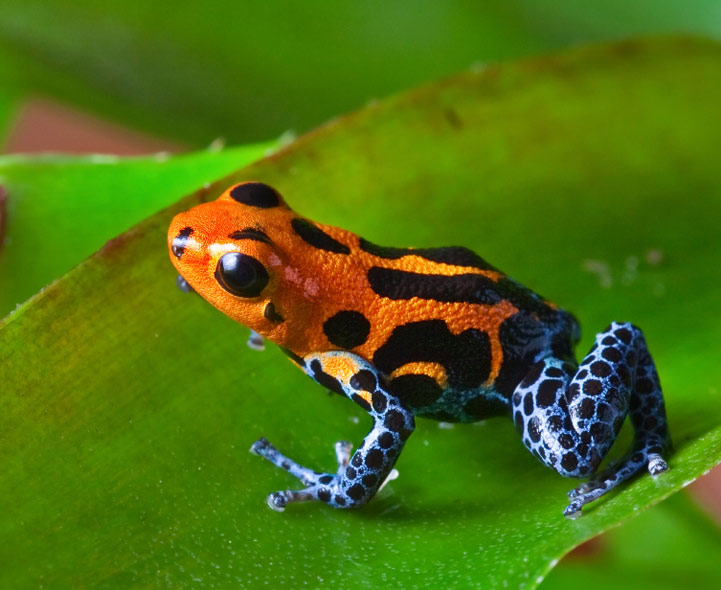
The frog in the picture is the red poison dart frog from Costa Rica
The frog in the picture is the red poison dart frog from Costa Rica
6 .
Anna has three materials: glass, polythene and wax. ‘Which material is the clearest?’ How can Anna find out?

Run water over them
Shine a light through them
Weigh them
Look in a book or on the internet
Anna needs to do an experiment to find out.
7 .
Toni is doing an investigation in her class. She wants to know which is the most popular colour in the rainbow.
Toni paints this picture. Then she asks people: ‘Which colour in the rainbow do you like best?’
Who should she ask?
Toni paints this picture. Then she asks people: ‘Which colour in the rainbow do you like best?’
Who should she ask?

Only her friends
One or two people
Only the teacher and her friends
Everyone in the class
The more people Toni asks, the better her results will be
8 .
‘Where do jaguars live?’ How can you find out?

Look outside school
Look in different places
Look in a book or on the internet
Watch a computer game
Jaguars live in Central and South America
9 .
Jack asks, ‘What is the best temperature to grow seeds?’
Jack puts the same seeds into four different pots.
He puts each pot in a different place. Which four places would be best?
Jack puts the same seeds into four different pots.
He puts each pot in a different place. Which four places would be best?

On his table, on his friend’s table, in a fridge, in a freezer
Above a radiator, on his table, in the fridge, in a freezer
Above a radiator, above another radiator, on a window sill, in a freezer
On four tables round his classroom
Always ask before putting anything like pots or soil in a fridge or freezer!
10 .
Harry is building a model bridge. Should he use wood, metal or plastic? Which will be strongest? How he can he find out?

Test them with weights
See if he can stretch them
See if they burn
See if he can shine a light through them
Which do you think will be the strongest?



**Unlimited Quizzes Await You! 🚀**
Hey there, quiz champ! 🌟 You've already tackled today's free questions.
Ready for more?
Ready for more?
🔓 Unlock UNLIMITED Quizzes and challenge yourself every day. But that's
not all...
not all...
🔥 As a Subscriber you can join our thrilling "Daily Streak" against other
quizzers. Try to win a coveted spot on our Hall of Fame Page.
quizzers. Try to win a coveted spot on our Hall of Fame Page.
Don't miss out! Join us now and keep the fun rolling. 🎉
**Unlimited Quizzes Await You! 🚀**
Hey there, quiz champ! 🌟 You've already tackled today's free questions. Ready for more?
🔓 Unlock UNLIMITED Quizzes and challenge yourself every day. But that's not all...
🔥 As a Subscriber you can join our thrilling "Daily Streak" against other quizzers. Try to win a coveted spot on our Hall of Fame Page.
Don't miss out! Join us now and keep the fun rolling. 🎉




© Copyright 2016-2026 - Education Quizzes
Work Innovate Ltd - Design | Development |
Marketing
