




Ask the AI Tutor
Need help with Experimentation? Ask our AI Tutor!
AI Tutor - Lucy
Connecting with Tutor...
Please wait while we establish connection
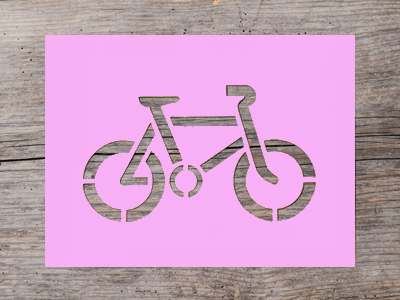
Dabbing is the best way to apply paint over a stencil.
Experimentation
Experimentation helps you discover new art effects. Try mixing tools, changing techniques, and testing materials to see what happens, then choose what works best for your idea.
1 .
If you wanted to create some texture in a piece of work, what might you consider doing?
Making a flat wash of watercolour paint
Shading lightly with a pencil crayon
Colouring in a patch with some-felt tipped pens
Scratching into thick paint with a matchstick
Oil based paints can be put onto canvas in very thick layers
2 .
How could you create blank areas easily when using watercolours?
Tape or mask off the area and paint over it
Cut out the shape first
Use liquid paper to paint over
Use white paint
Masking tape, stickers or even melted wax can be used to mask off areas in paintings
3 .
How could you create a splatter or speckled effect?
By painting with thick paint and a wide brush
By shading with the flat side of a pencil
By flicking paint from a toothbrush
By smearing pastels onto cardboard
Doing this from a height creates a great speckled effect
4 .
Which materials would you need to create a marbled effect?
Wool and material
Oil-based ink and water
Cotton wool and lolly sticks
Paper clips and pencils
The oil-based ink makes a layer on top of the water and paper placed over it gives a marbled effect
5 .
What is the best way to apply paint over a stencil?
By smearing
By dabbing
By wiping
By scrubbing
Dabbing over and over builds up the colour evenly
6 .
What would you expect to happen if you sprinkled sea salt onto wet paint?
The paper would become covered in salt crystals
The salt would float on top of the paint
The paint would completely disappear
The salt would absorb some of the paint
The little chunks of salt absorb paint, leaving a speckled effect
7 .
To create a wax resist, which two materials would you need?
Chalks and pastels
Wax crayons and watercolour paints
Pencils and some water
Oil paints and newspaper
Using the wax crayons first creates areas which will resist the watercolour paints
8 .
What might you use to create a blurry effect?
Very sharp pencil crayons
Wax crayons
Very thick paint
Felt-tipped pens and water
Felt tips are water based and can be blurred using more water
9 .
Where might you keep the results of your art experiments?
In a sketch book
In a laboratory
In a library
In a leisure centre
You could make notes to remind you how each effect was achieved
10 .
If an artist fixes different media on a canvas to create an artwork, what is it known as?
Pointillism
Sketching
Collage
Shading
Almost anything can be used for collage - natural or man-made!



**Unlimited Quizzes Await You! 🚀**
Hey there, quiz champ! 🌟 You've already tackled today's free questions.
Ready for more?
Ready for more?
🔓 Unlock UNLIMITED Quizzes and challenge yourself every day. But that's
not all...
not all...
🔥 As a Subscriber you can join our thrilling "Daily Streak" against other
quizzers. Try to win a coveted spot on our Hall of Fame Page.
quizzers. Try to win a coveted spot on our Hall of Fame Page.
Don't miss out! Join us now and keep the fun rolling. 🎉
**Unlimited Quizzes Await You! 🚀**
Hey there, quiz champ! 🌟 You've already tackled today's free questions. Ready for more?
🔓 Unlock UNLIMITED Quizzes and challenge yourself every day. But that's not all...
🔥 As a Subscriber you can join our thrilling "Daily Streak" against other quizzers. Try to win a coveted spot on our Hall of Fame Page.
Don't miss out! Join us now and keep the fun rolling. 🎉




© Copyright 2016-2026 - Education Quizzes
Work Innovate Ltd - Design | Development |
Marketing
