




Ask the AI Tutor
Need help with Sculpture? Ask our AI Tutor!
AI Tutor - Lucy
Connecting with Tutor...
Please wait while we establish connection
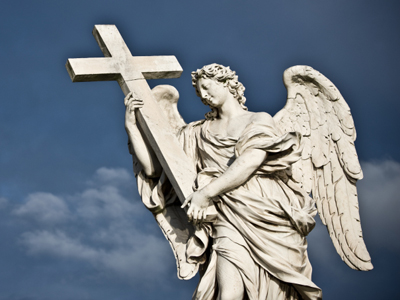
Stone sculptures can last for hundreds or even thousands of years.
Sculpture
Sculpture turns materials into 3D art. Learn how shape, balance, and texture work together, and explore ways to build, carve, or model forms that stand securely.
1 .
Edgar Degas created many sculptures. One of his most famous was of what?
A sleeping cat
A pencil case
A young ballet dancer
A lawnmower
The original was done in wax, and it was recast in bronze by another artist after Degas died
2 .
What is sculpture?
Large paintings done outside
Drawing with both eyes closed
Using two or more different colours
Three-dimensional artwork
Sculptures can be made from clay, brass, sticks, straws, wood, ice... the list is almost endless!
3 .
Which of the following could be used by an artist to create a sculpture?
Glass
Sand
Ice
Any of the above!
Sculptures can be created from almost anything!
4 .
What would be the main difference between an ice sculpture and a stone sculpture?
Its colour
The length of time it lasts
The design or subject
Who carved it
Ice sculptures are usually temporary but stone sculptures can last for hundreds, or even thousands, of years
5 .
Some sculptures are made to remember events or notable people. Which of these is an example of this?
A sand carving at the beach
A stone bird table in someone's garden
An ice sculpture at a party
A war memorial in a public park
Many towns have sculptures of someone who has done something for the community
6 .
A good way to sculpt a person in action would be to use plaster or modroc to cover a shape made from which material?
Paper
Bread dough
Pencils
Bent wire
Bending the wire will give the desired shape and covering it in plaster will give a smooth finish
7 .
Andy Goldsworthy is noted for his sculptures made from what?
Ice cream
Car tyres
Naturally found materials
Dust
He usually sculpts in the area where he finds the materials
8 .
Where would you not expect to see a sculpture in your town?
In a churchyard
At the supermarket
In the town square
In a public park
Most public sculptures are placed where lots of people will see and enjoy them
9 .
In 1998, sculptor Antony Gormley unveiled a landmark in the north of England, close to Newcastle. What is it called?
The Angel of the North
The Guardian of the East
The Watcher on the Hill
The Fairy of the Castle
It is a steel sculpture of an angel, 20 metres tall, with wings measuring 54 metres across
10 .
What is a common theme for sculpture?
A fly's wings
The human body
Bread
Cars
Many sculptures are of humans - sometimes they are realistic and sometimes they are more abstract
Our Social Circles




**Unlimited Quizzes Await You! 🚀**
Hey there, quiz champ! 🌟 You've already tackled today's free questions.
Ready for more?
Ready for more?
🔓 Unlock UNLIMITED Quizzes and challenge yourself every day. But that's
not all...
not all...
🔥 As a Subscriber you can join our thrilling "Daily Streak" against other
quizzers. Try to win a coveted spot on our Hall of Fame Page.
quizzers. Try to win a coveted spot on our Hall of Fame Page.
Don't miss out! Join us now and keep the fun rolling. 🎉
**Unlimited Quizzes Await You! 🚀**
Hey there, quiz champ! 🌟 You've already tackled today's free questions. Ready for more?
🔓 Unlock UNLIMITED Quizzes and challenge yourself every day. But that's not all...
🔥 As a Subscriber you can join our thrilling "Daily Streak" against other quizzers. Try to win a coveted spot on our Hall of Fame Page.
Don't miss out! Join us now and keep the fun rolling. 🎉
© Copyright 2016-2026 - Education Quizzes
Work Innovate Ltd - Design | Development |
Marketing
