




Ask the AI Tutor
Need help with Negatives? Ask our AI Tutor!
AI Tutor - Lucy
Connecting with Tutor...
Please wait while we establish connection
No, no, no!
Negatives
Words like “not,” “never,” and “no” turn statements upside down! This KS2 English quiz helps you understand negatives and how they change the meaning of sentences.
To see a larger image, click on the picture.
1 .
Make the sentence negative.
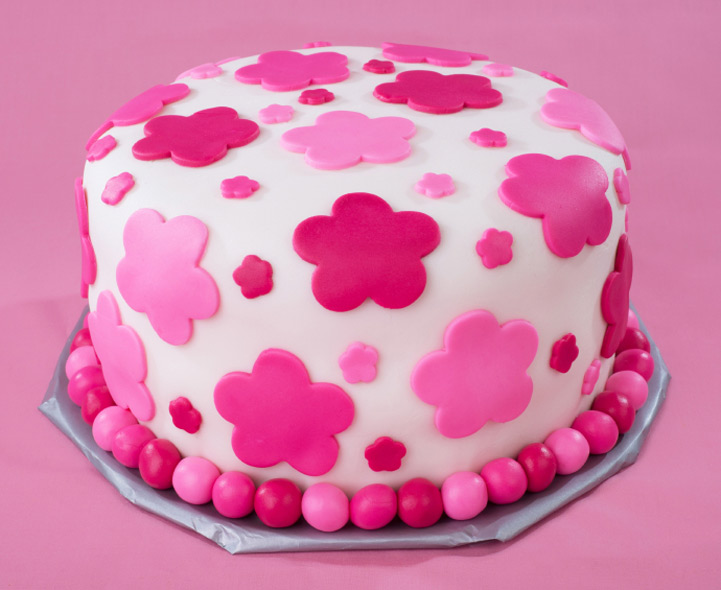
Someone ate my cake!
Someone ate my cake!
Someone ate not my cake!
Not someone ate my cake!
Someone didn't eat my cake!
No one didn't eat my cake!
'No one ate my cake!' also works as a negative of this statement.
2 .
Make the sentence negative.
Does anything make you happy?
Does anything make you happy?

Does nothing make you happy.
Doesn't nothing make you happy?
Doesn't anything make you happy.
Doesn't anything make you happy?
Read all four choices first before picking one.
3 .
Make the sentence negative.
Was there a parcel in the post for me today?
Was there a parcel in the post for me today?

There wasn't nothing in the post for me today?
Wasn't there a parcel for me in the post today?
Was there a parcel for me not in the post today?
Was there a parcel for not me in the post today?
Sometimes reading the answers aloud will help you choose the correct one.
4 .
Make the sentence negative.
She should wear sensible shoes for P.E.
She should wear sensible shoes for P.E.

She shouldn't wear sensible shoes for P.E.
Shouldn't she wear sensible shoes for P.E.?
She should wear sensible shoes for P.E., not.
She should wear not sensible shoes for P.E.
'Should' becomes 'shouldn't'.
5 .
Make the sentence negative.
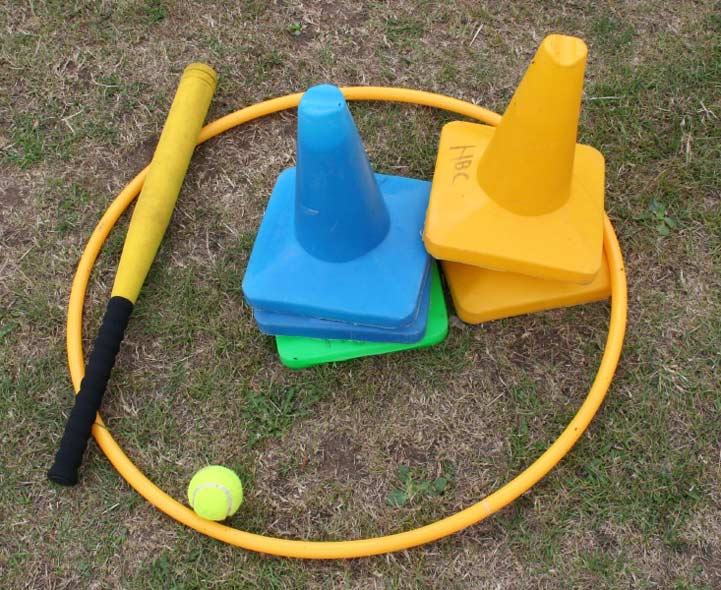
We can play rounders later on.
We can play rounders later on.
Can't we play rounders later on?
We could play rounders later on.
We won't play rounders later on.
We can't play rounders later on.
'Won't' is negative, but it does not match the sentence. 'Won't' is the negative of 'will'.
6 .
Make the sentence negative.
Did you go anywhere for your holiday?
Did you go anywhere for your holiday?

Didn't you go anywhere for your holiday.
You didn't go anywhere for your holiday.
You went nowhere for your holiday?
Didn't you go anywhere for your holiday?
Don't forget the question mark.
7 .
Make the sentence negative.
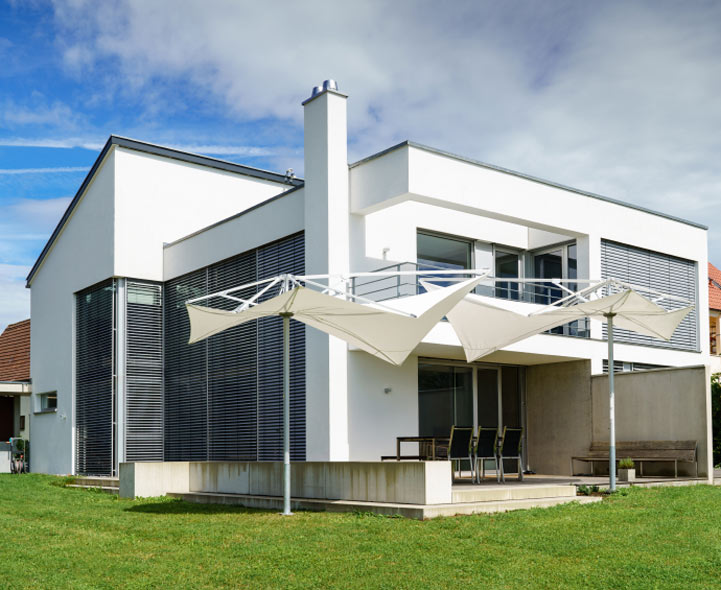
The house fell down.
The house fell down.
Did the house fall down?
The house not fell down.
The house did not fall down.
The house did not fell down.
'Fell' becomes 'did not fall'.
8 .
Make the sentence negative.
The dog is gnawing its bone.
The dog is gnawing its bone.
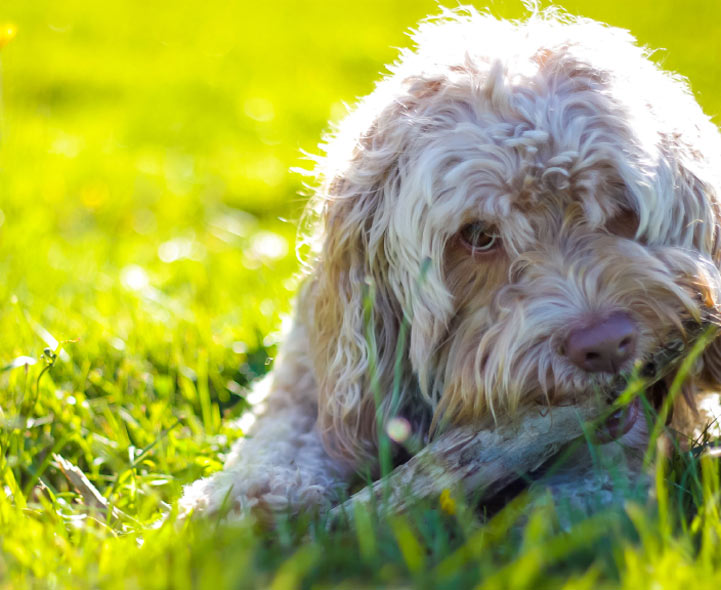
Is the dog not gnawing its bone?
It's not the dog that is gnawing its bone.
The dog is gnawing not its bone.
The dog is not gnawing its bone.
'Is' becomes 'is not'.
9 .
Make the sentence negative.
I saw him just a minute ago.
I saw him just a minute ago.

Didn't I see him just a minute ago?
I didn't see him just a minute ago.
I won't see him.
I saw him not just a minute ago.
Notice the change of 'saw' to 'see'.
10 .
Make the sentence negative.
Has she seen my cat?
Has she seen my cat?
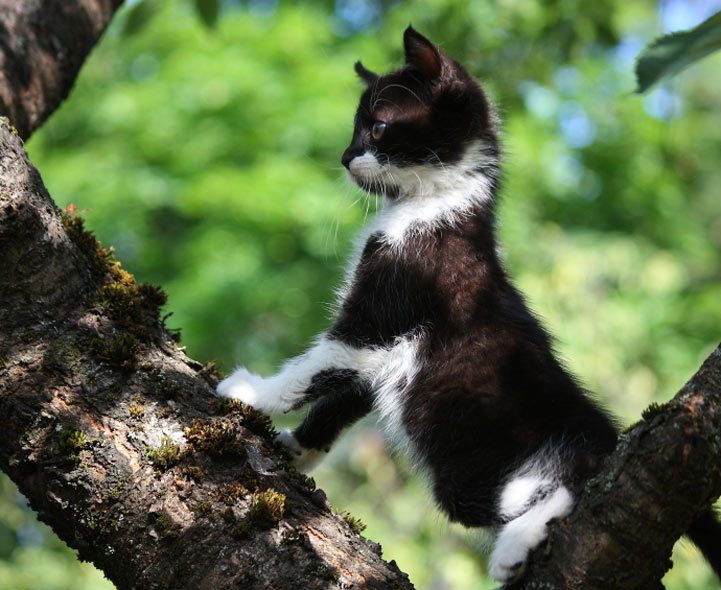
Hasn't she seen my cat?
She hasn't seen my cat?
Has she seen not my cat?
She hasn't seen my cat.
If it's a question, then it must remain a question.
Our Social Circles




**Unlimited Quizzes Await You! 🚀**
Hey there, quiz champ! 🌟 You've already tackled today's free questions.
Ready for more?
Ready for more?
🔓 Unlock UNLIMITED Quizzes and challenge yourself every day. But that's
not all...
not all...
🔥 As a Subscriber you can join our thrilling "Daily Streak" against other
quizzers. Try to win a coveted spot on our Hall of Fame Page.
quizzers. Try to win a coveted spot on our Hall of Fame Page.
Don't miss out! Join us now and keep the fun rolling. 🎉
**Unlimited Quizzes Await You! 🚀**
Hey there, quiz champ! 🌟 You've already tackled today's free questions. Ready for more?
🔓 Unlock UNLIMITED Quizzes and challenge yourself every day. But that's not all...
🔥 As a Subscriber you can join our thrilling "Daily Streak" against other quizzers. Try to win a coveted spot on our Hall of Fame Page.
Don't miss out! Join us now and keep the fun rolling. 🎉
© Copyright 2016-2026 - Education Quizzes
Work Innovate Ltd - Design | Development |
Marketing
