




Ask the AI Tutor
Need help with Coasts? Ask our AI Tutor!
AI Tutor - Lucy
Connecting with Tutor...
Please wait while we establish connection
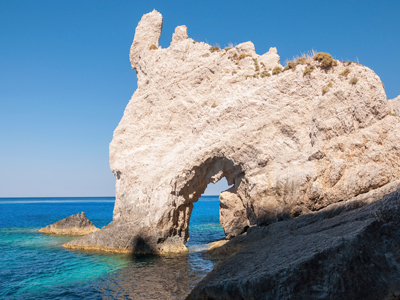
An arch is formed when a cave erodes further and forms a tunnel through the cliff
Coasts
Explore the coasts of Britain and beyond, discover how waves, tides, and wind shape the shoreline, and find out why beaches and cliffs keep changing.
Click on the pictures to make them larger.
1 .
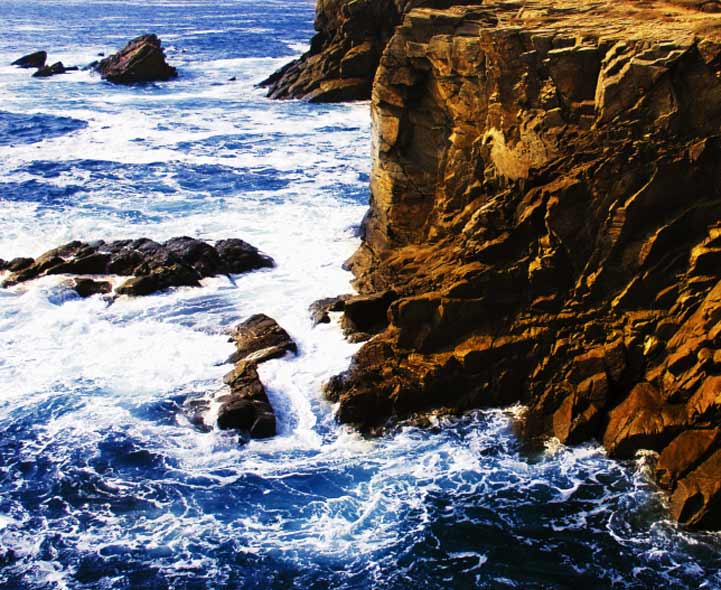
On some coasts the cliffs are worn away by erosion. What acts on the cliffs to cause them to erode?
Pebbles
Sand
Waves
Rocks
The waves can wear rock away, but it takes a very long time
2 .
What is the term used when a cliff erodes at the bottom?
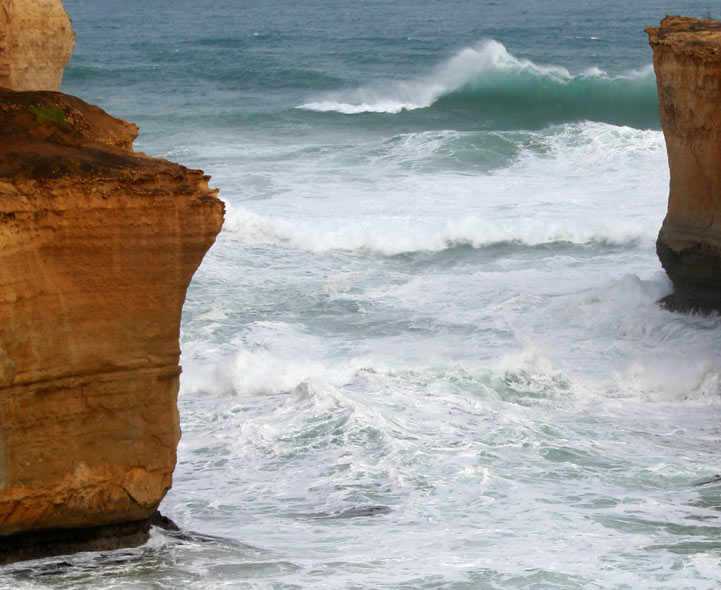
Undercut
Abrasion
Deposition
Overcut
The higher part of the cliff is not exposed to the sea and so does not erode
3 .
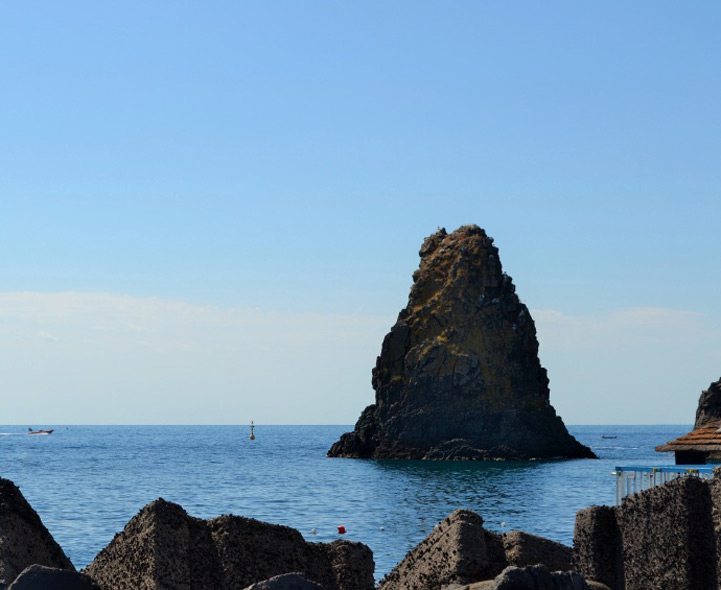
How is a stack formed?
When soft rock erodes and forms a hole in the cliff
When an arch erodes further, a part becomes separated from the coast
When a cave erodes further and forms a tunnel through the cliff
When a rock is pushed by waves and becomes rounded
Stacks can seem very lonely!
4 .
What is a large flat area of sand known as?
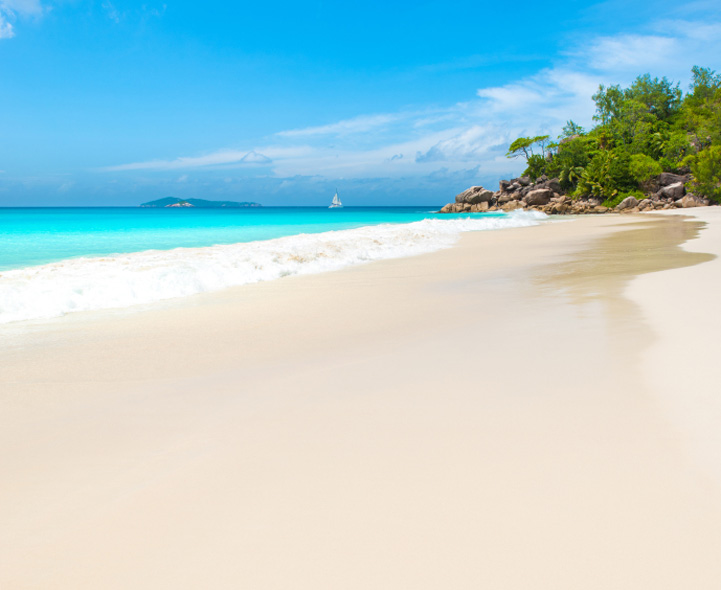
A cliff
A coast
A sand dune
A beach
Beaches are places we go to enjoy the seaside
5 .
How is an arch formed?
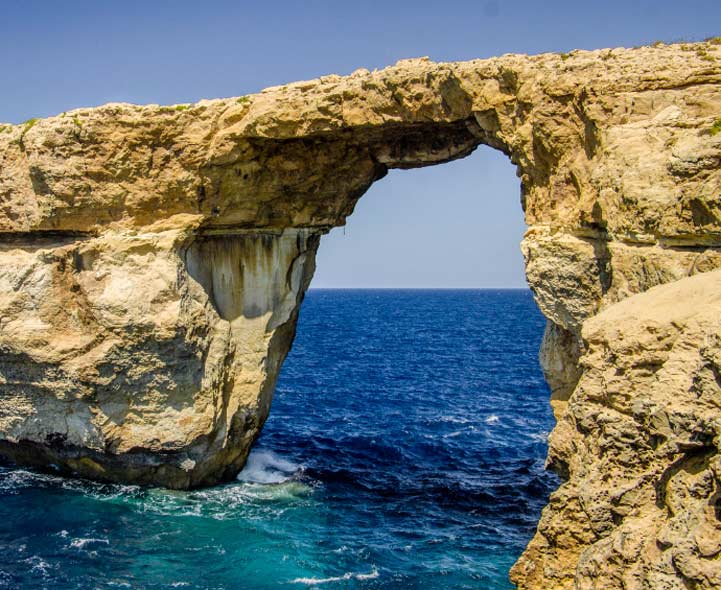
When soft rock erodes and forms a hole in the cliff
When an arch erodes further, a part becomes separated from the coast
When a cave erodes further and forms a tunnel through the cliff
When a rock is pushed by waves and becomes rounded
Arches are caves that have worn all the way through a cliff. They look almost man made
6 .
What is the process called when waves throw pebbles at the cliff causing it to wear away?
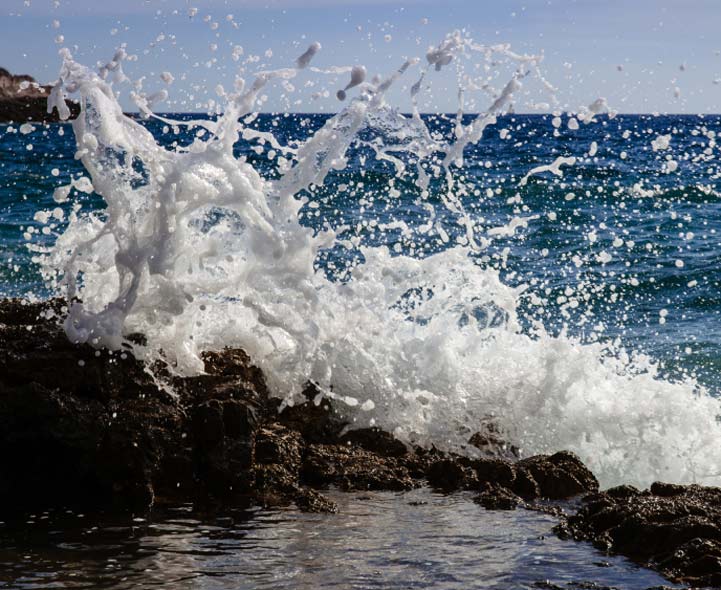
Erosion
Abrasion
Deposition
Transportation
Abrasion is faster than erosion
7 .
What is the name of the protection used to stop sand being swept from a beach?
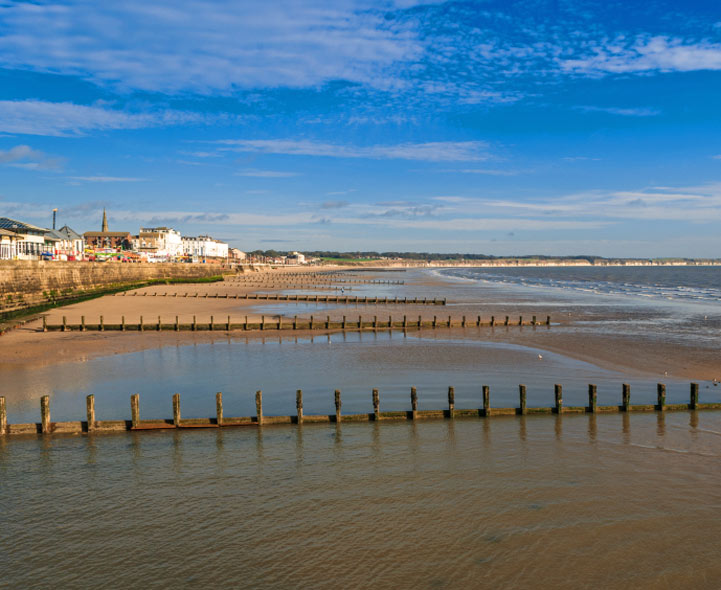
Sand dunes
Sea wall
Groynes
Cliffs
Have you ever seen groynes on a beach? They can look like pillars, posts or fences
8 .
How are sand dunes formed?
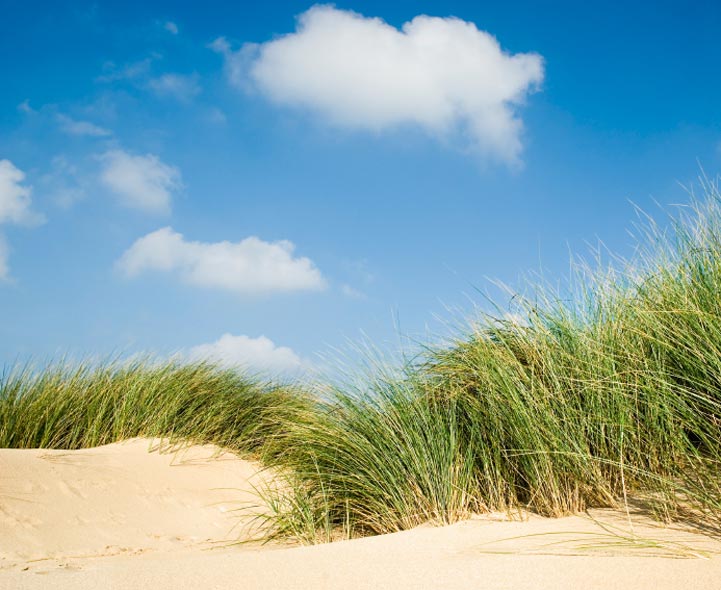
The sea pushes the sand into hills
The wind blows the sand into hills
They are man made
Rivers push the sand into hills
They are always at the back of the beach as the wind comes off of the sea
9 .
When a bay is formed what is the name of the projections formed at either side?
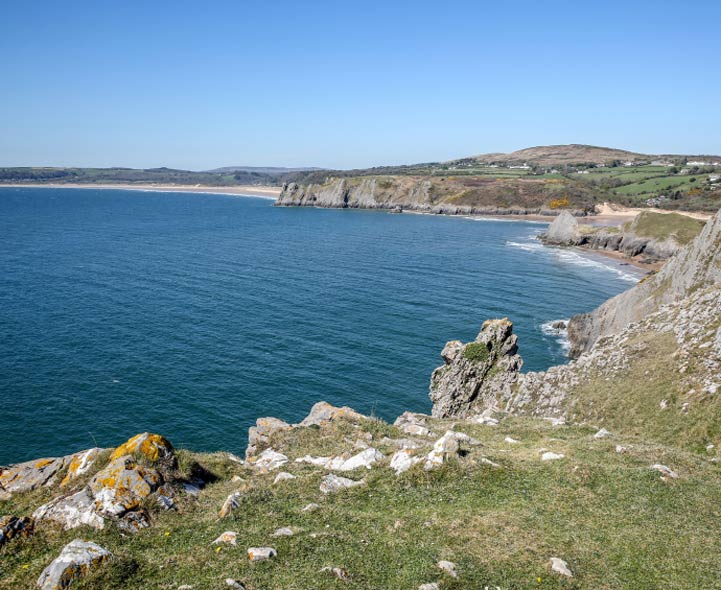
Stacks
Arches
Headlands
Caves
The bay is formed when the rock along part of the coast erodes quicker than the headlands as they have harder rock
10 .
When soft rock erodes to create a hole in the cliff what is this known as?

Stacks
Arches
Headlands
Caves
Caves are deep depressions in the rock face



**Unlimited Quizzes Await You! 🚀**
Hey there, quiz champ! 🌟 You've already tackled today's free questions.
Ready for more?
Ready for more?
🔓 Unlock UNLIMITED Quizzes and challenge yourself every day. But that's
not all...
not all...
🔥 As a Subscriber you can join our thrilling "Daily Streak" against other
quizzers. Try to win a coveted spot on our Hall of Fame Page.
quizzers. Try to win a coveted spot on our Hall of Fame Page.
Don't miss out! Join us now and keep the fun rolling. 🎉
**Unlimited Quizzes Await You! 🚀**
Hey there, quiz champ! 🌟 You've already tackled today's free questions. Ready for more?
🔓 Unlock UNLIMITED Quizzes and challenge yourself every day. But that's not all...
🔥 As a Subscriber you can join our thrilling "Daily Streak" against other quizzers. Try to win a coveted spot on our Hall of Fame Page.
Don't miss out! Join us now and keep the fun rolling. 🎉




© Copyright 2016-2026 - Education Quizzes
Work Innovate Ltd - Design | Development |
Marketing
