




Ask the AI Tutor
Need help with Recycling? Ask our AI Tutor!
AI Tutor - Lucy
Connecting with Tutor...
Please wait while we establish connection
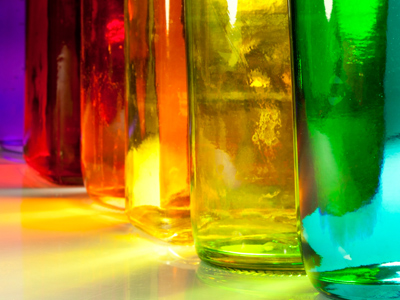
Glass needs separating into different colours before recycling.
Recycling
Recycling is about turning old materials into something useful again, instead of throwing them away. It helps save energy, protect habitats, and cut down on rubbish.
Click on the pictures to make them larger.
1 .
How would you dispose of a book you no longer needed?

Throw it in the bin
Recycle it
Burn it
Give it to someone else to read
You might even give it to a charity shop
2 .
Which materials are difficult to recycle?

Papers
Metals
Textiles
Plastics
Textiles can be reused
3 .
Which is NOT one of the 3 Rs?
Recycle
Remodel
Reuse
Reduce
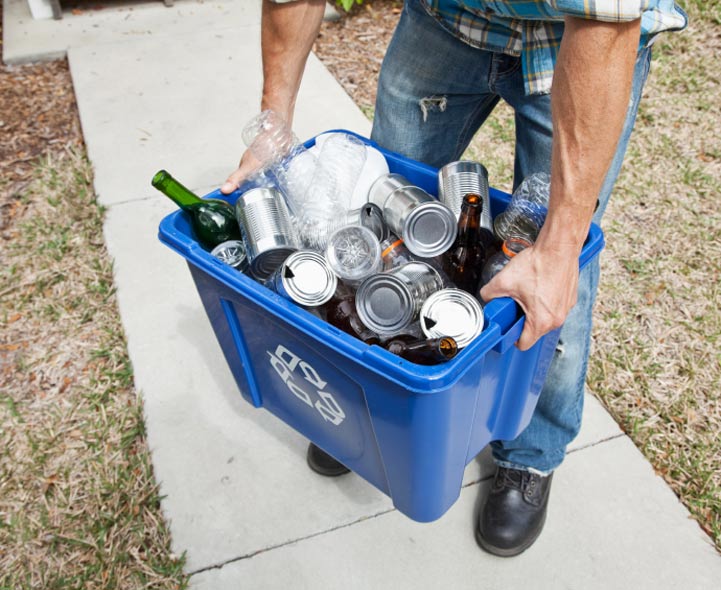
We can reduce the amount of rubbish by reusing things or recycling them
4 .
Which recycle bin would you put a drinks can in?
Plastic
Glass
Paper
Aluminium
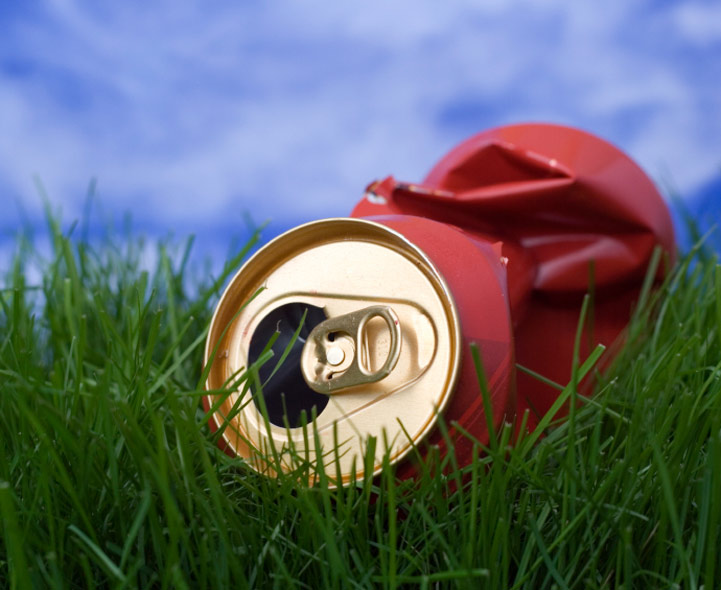
Aluminium is a type of metal we can recycle
5 .
Which material needs separating into different colours before recycling?
Paper
Plastic
Steel
Glass
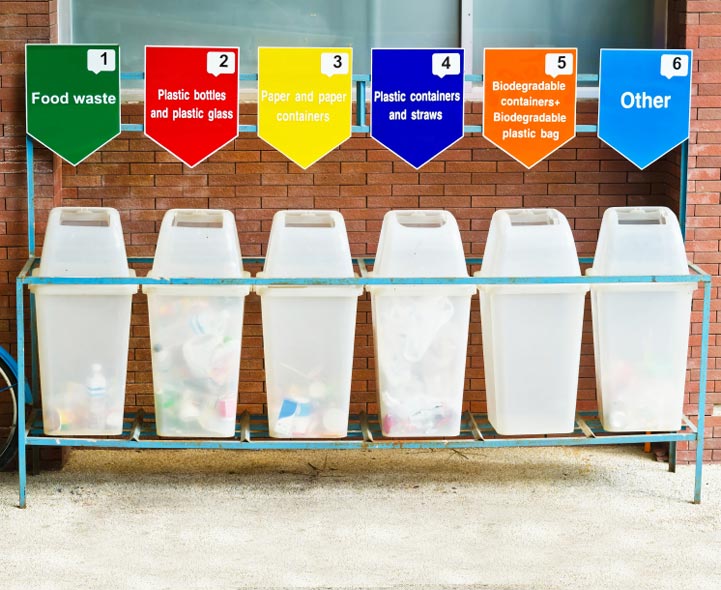
Glass is usually clear, green or brown
6 .
On average how much waste does a person in the UK throw away each year?
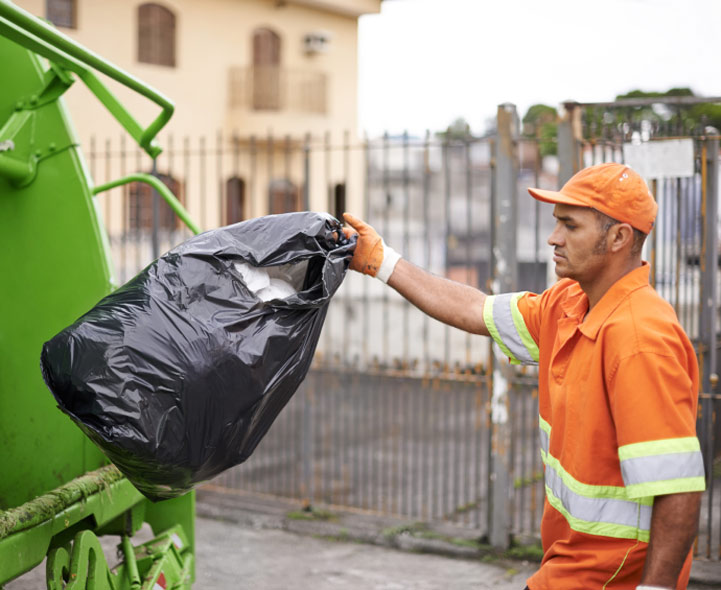
Own body weight
Ten times own body weight
Hundred times own body weight
Thousand times own body weight
Just think how much rubbish that would be in a whole lifetime!
7 .
Why should batteries not go to a landfill?
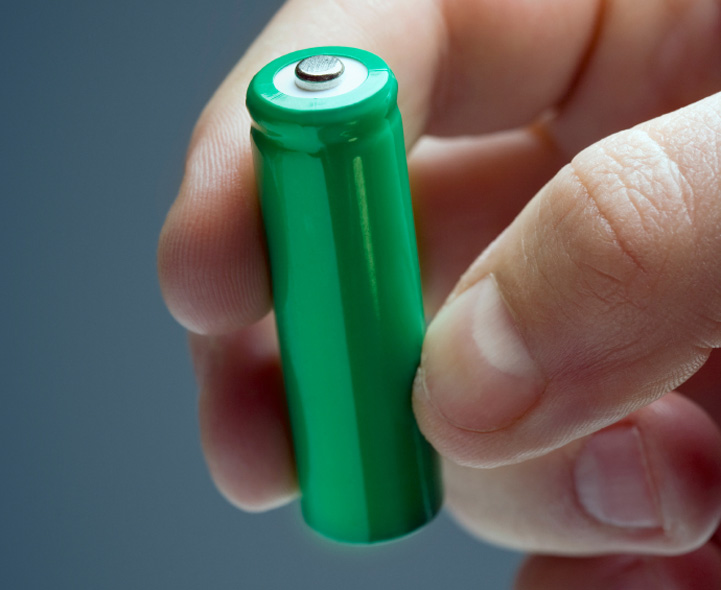
They could explode
They can leak chemicals
They could be recharged
They could be reused
Many types of batteries use poisonous chemicals like lead or mercury and these must be disposed of safely
8 .
Which of these is a problem caused by throwing rubbish away?
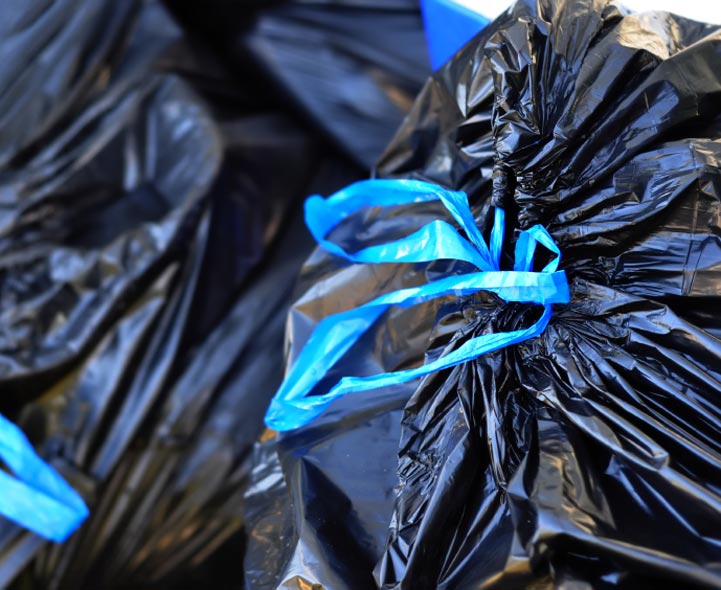
We will eventually run out of raw materials
Lots of energy is needed to make items from raw materials
Waste pollutes rivers and other environments
All of these
There are lots of reasons why we should try to reduce the amount of rubbish we throw away
9 .
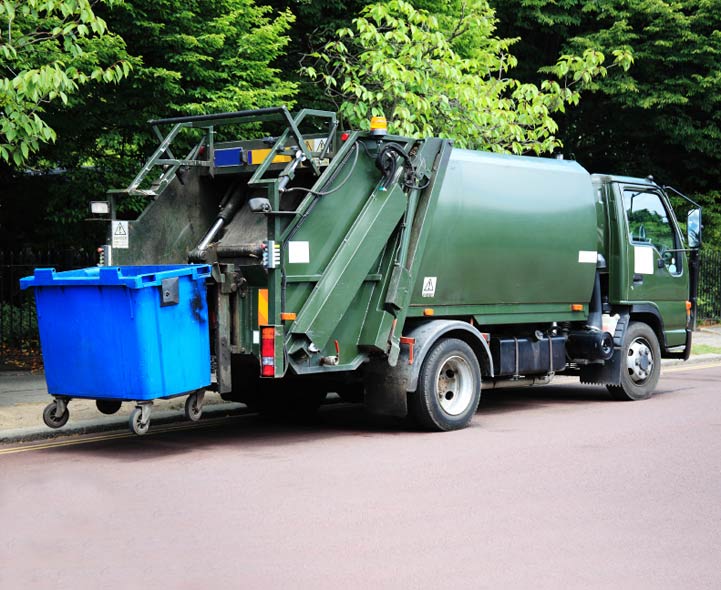
Where does our non-recycled rubbish go?
Into space
Landfill or incinerated
Into the sea
Recycling plant
Things in landfill sites or incinerators will never be used again
10 .
Which of these is NOT an environmentally-friendly method of disposing of potato peelings?
Put in rubbish bin
Put on garden
Put in compost bin
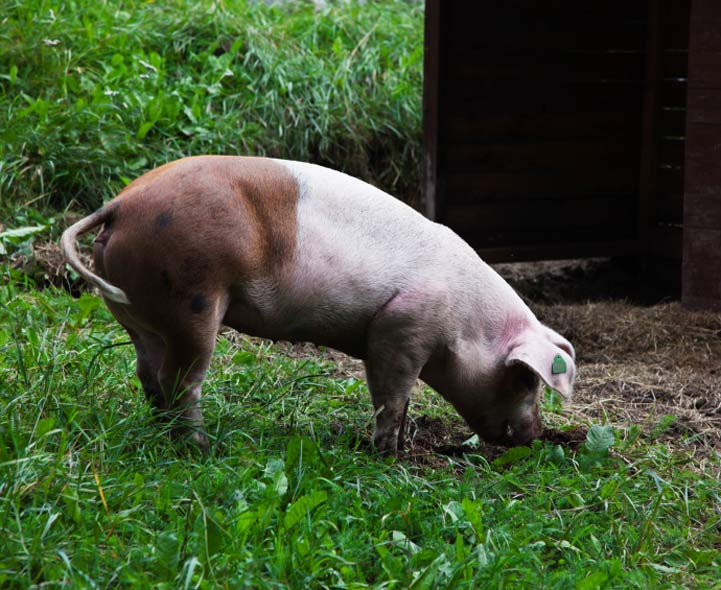
Feed to pigs
Things in the rubbish bin go to landfill sites or incinerators



**Unlimited Quizzes Await You! 🚀**
Hey there, quiz champ! 🌟 You've already tackled today's free questions.
Ready for more?
Ready for more?
🔓 Unlock UNLIMITED Quizzes and challenge yourself every day. But that's
not all...
not all...
🔥 As a Subscriber you can join our thrilling "Daily Streak" against other
quizzers. Try to win a coveted spot on our Hall of Fame Page.
quizzers. Try to win a coveted spot on our Hall of Fame Page.
Don't miss out! Join us now and keep the fun rolling. 🎉
**Unlimited Quizzes Await You! 🚀**
Hey there, quiz champ! 🌟 You've already tackled today's free questions. Ready for more?
🔓 Unlock UNLIMITED Quizzes and challenge yourself every day. But that's not all...
🔥 As a Subscriber you can join our thrilling "Daily Streak" against other quizzers. Try to win a coveted spot on our Hall of Fame Page.
Don't miss out! Join us now and keep the fun rolling. 🎉




© Copyright 2016-2026 - Education Quizzes
Work Innovate Ltd - Design | Development |
Marketing
